Littering penalties also rise as ministers unveil tougher powers to tackle waste crime
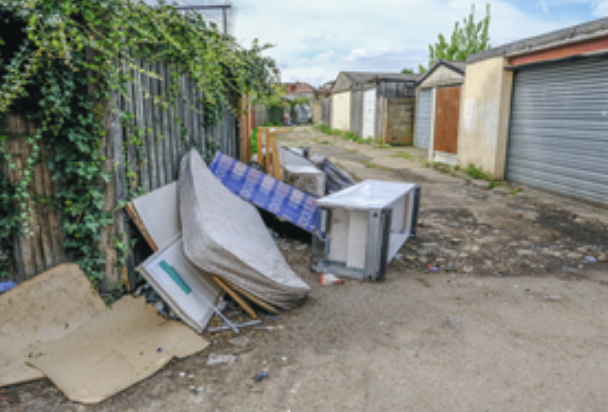
Fly-tippers and litter louts will face significantly tougher financial penalties under new government measures aimed at cracking down on waste crime across England. The Department for Environment, Food & Rural Affairs (Defra) announced on Wednesday, 15 July, that councils will soon be able to issue on-the-spot fines of up to £5,000 for fly-tipping offences – a 400 per cent increase on the previous maximum penalty of £1,000.
Meanwhile, the maximum fixed penalty notice for littering will increase by 50 per cent, rising from £500 to £750.
New powers coming into force this summer
The tougher penalties will come into force later this summer as part of the Government’s wider Waste Crime Action Plan, which aims to deter offenders and help local authorities tackle environmental crime more effectively. Councils will retain discretion over the level of fines issued, allowing penalties to be proportionate to the seriousness of each offence while giving authorities greater powers to deal with persistent offenders.
Government: ‘You will pay the price’
Environment Secretary Emma Reynolds said the tougher approach sends a clear message to those responsible for blighting communities.
She said:
“Fly-tipping and littering is a disgrace that blights local communities.
“Under this government, criminals who break the rules will face heftier fines to clean up the mess they make.
“We are sending a clear message to those who dump their rubbish – we are coming after you and you will pay the price.”
Part of wider waste crime crackdown
The increase in penalties forms part of a broader strategy to tackle waste crime, from small-scale littering to organised illegal waste operations. As part of the Government’s zero-tolerance approach, ministers have already:
- Introduced a new digital waste tracking service to monitor waste movements.
- Strengthened court powers allowing fly-tippers to lose their waste licences.
- Introduced enhanced background checks designed to prevent rogue waste operators from entering the industry.
- Issued updated guidance to local authorities on identifying, seizing and prosecuting vehicles used in fly-tipping offences.
The guidance also provides councils with advice on pursuing successful court prosecutions against vehicle owners involved in illegal waste disposal.
Supporting cleaner communities
Defra said the measures form part of the Government’s wider Pride in Place agenda, designed to improve neighbourhoods, protect the countryside and help communities take greater pride in their local environment. Members of the public who witness fly-tipping or suspect illegal waste activity are encouraged to report it anonymously to Crimestoppers or through their local authority.
The Government said the strengthened penalties are intended to ensure those responsible for environmental crime face tougher consequences while helping councils keep streets, parks and rural areas cleaner.