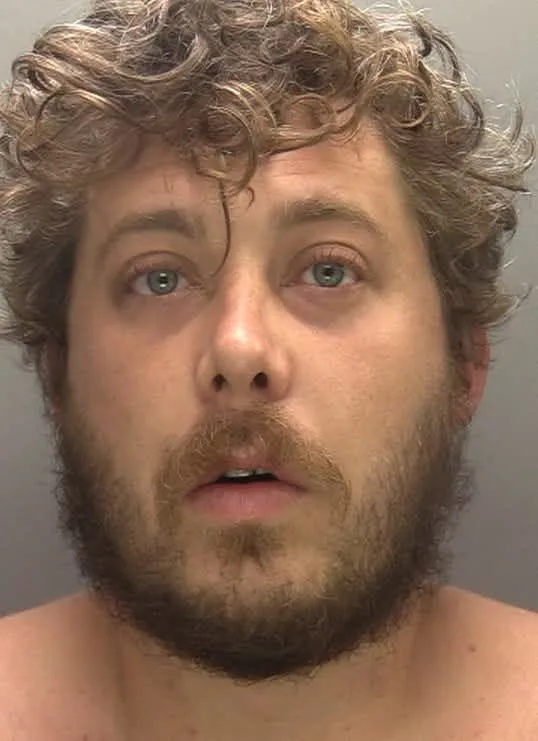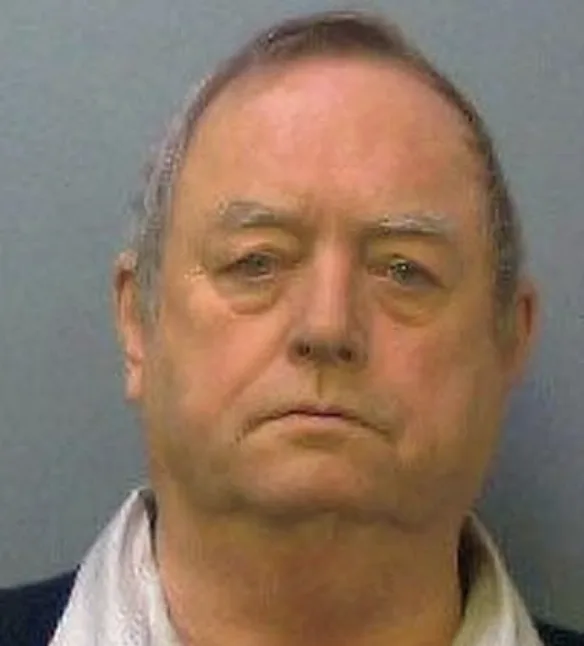
A former Illinois sheriff’s deputy jailed for the fatal shooting of Sonya Massey has been denied medical release despite suffering from terminal cancer, with prison officials ruling that he does not meet the legal criteria for compassionate release. Sean Grayson, a former Sangamon County Sheriff’s deputy, is serving a 20-year prison sentence after being convicted of the second-degree murder of Sonya Massey. The Illinois Prisoner Review Board unanimously rejected his application for medical release, a decision welcomed by Massey’s family and civil rights campaigners.
Terminal Cancer Not Enough for Release
A state medical examiner confirmed Grayson has an irreversible and incurable form of cancer, with an estimated life expectancy of around 18 months. However, the examiner also concluded that he is not medically incapacitated, finding he remains capable of carrying out daily activities without assistance. Under Illinois’ Coleman Act, inmates seeking medical release must be both terminally ill and medically incapacitated. The board found Grayson failed to meet the second requirement.
Prosecutors Opposed Early Release
Prosecutors argued that Grayson’s illness had already been considered during sentencing and said releasing him early would undermine the justice system. They described granting compassionate release as “a miscarriage of justice”, pointing to both the seriousness of the offence and concerns over public confidence. The Prisoner Review Board agreed, ruling Grayson should remain in custody while continuing to receive medical treatment.
Fatal 911 Call
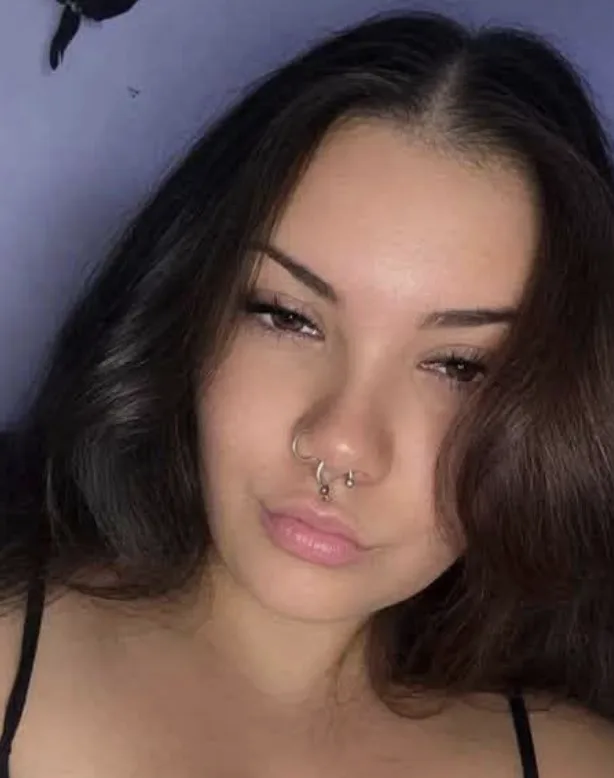
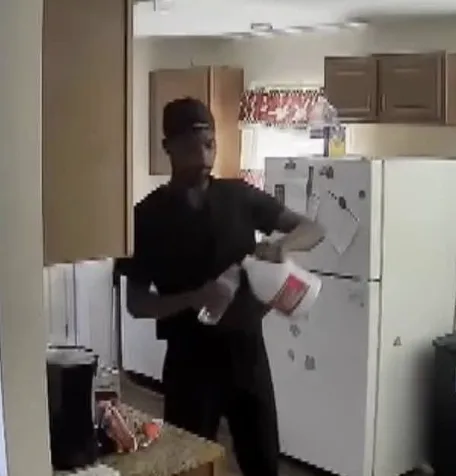
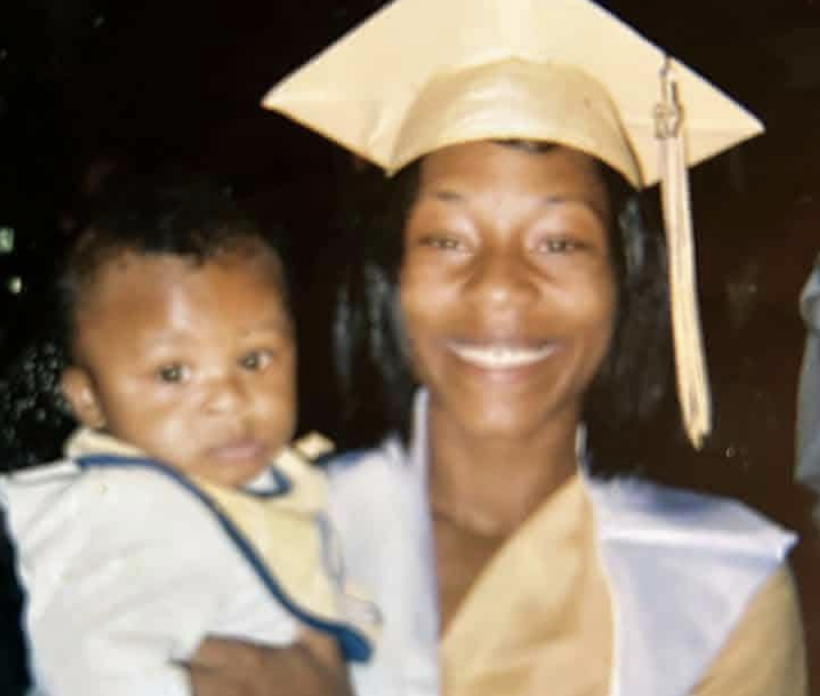
The case stems from 6 July 2024, when 36-year-old Sonya Massey called 911 to report a suspected prowler outside her home near Springfield, Illinois. Grayson was among the deputies who responded. Body-worn camera footage later showed Massey moving a pot of boiling water from the stove inside her kitchen. Grayson claimed she posed a threat. Seconds later, after Massey said, “I rebuke you in the name of Jesus,” Grayson fired a single shot, fatally wounding her. The incident sparked nationwide outrage and renewed scrutiny of police use of force in the United States.
Family Welcomes Decision
Members of Massey’s family attended the hearing and strongly opposed Grayson’s release. They told the board that allowing him to leave prison early would retraumatise those still grieving her death. Her cousin, Sontae Massey, said the family would remain vigilant because Grayson is legally entitled to apply again for medical release in the future.
Civil Rights Lawyers Praise Ruling
Civil rights attorneys Ben Crump and Antonio Romanucci, who represent Massey’s family, welcomed the decision. In a joint statement, they said the ruling demonstrated that “a badge does not provide an early way out”, adding that accountability should apply equally to law enforcement officers.
Investigation Prompted National Debate
The fatal shooting of Sonya Massey prompted widespread protests across the United States and led to a review by the U.S. Department of Justice into policing practices. Grayson will remain in state custody while receiving treatment for his illness. Although his legal team may submit future applications for compassionate release, the board’s unanimous decision signals that terminal illness alone is not sufficient to outweigh the seriousness of the offence.