UK Government Delays Post-Brexit Port Health Checks Again
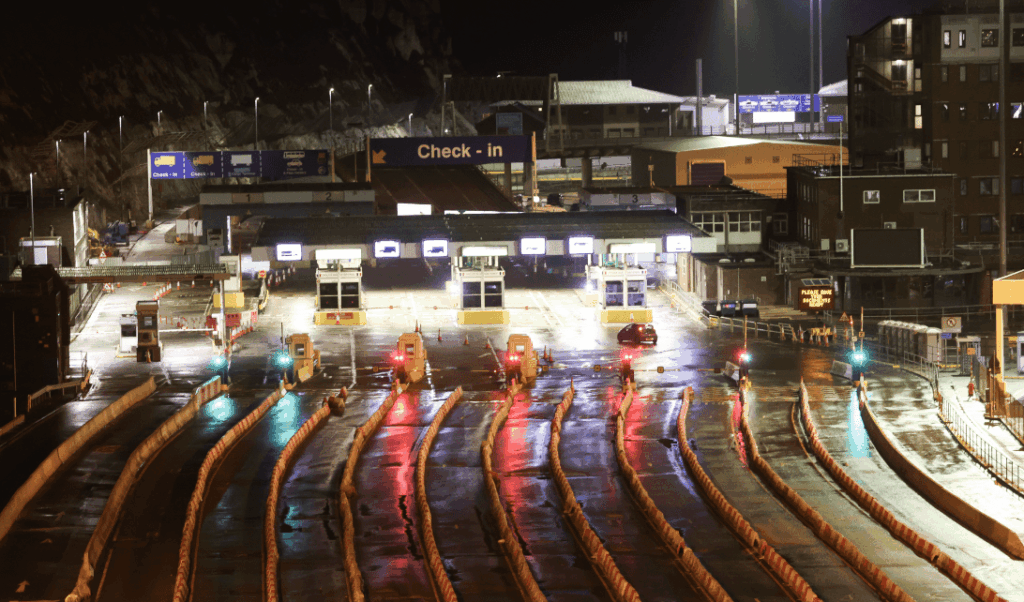
The UK government has hit pause yet again on its post-Brexit health and safety inspections at major ports. This latest delay aims to dodge chaos in travel and trade. The Department for Environment, Food & Rural Affairs (Defra) revealed it won’t push ahead with the new checks this month as originally planned, including at the crucial Dover port.
Fifth Delay Sparks Fury from Trade Groups
This marks the fifth time these inspections have been put on ice, leaving traders and logistics firms fuming. Defra worries that rushing the inspections could swamp port operations. They now prefer a phased rollout to keep things running smoothly.
Dover Dispute Fuels the Hold-Up
The row over moving inspections from Dover to the Sevington Inland Border Facility, 22 miles away near Ashford, is at the heart of the hold-up. Sevington is supposed to ease post-Brexit border pressures, but the local Port Health Authority is pushing back hard.
Trade Groups Warn of Price Hikes and Chaos
- The Cold Chain Federation slammed the government’s handling, warning the delay and poor infrastructure risk pushing up food prices.
- Businesses dealing with EU goods could face nightmare supply chain snarl-ups.
- The federation demands at least a six-month delay to fix these critical issues properly.
Defra Promises Minimal Disruption, Strong Biosecurity
“As we have always said, the goods posing the highest biosecurity risk are being prioritised as we build up to full check rates and high compliance levels. Taking a pragmatic approach to introducing our new border checks minimises disruption, protects our biosecurity, and benefits everyone—especially traders,” Defra said.
Defra insists businesses have been engaged over the past year, with many trade groups backing its cautious approach. It remains confident it can handle the checks without causing chaos.
Brexit Trade Troubles Roll On
This ongoing saga highlights the sheer complexity of post-Brexit trade rules. The knock-on effects aren’t just logistical—they ripple through the entire economy. Expect more developments as the government and industry scramble to find workable solutions.