Flight Turbulence on the Rise: What You Need to Know
Reports show turbulence is shaking up flights more than ever. Experts blame climate change for the bumpier rides, sparking safety fears among passengers. But how dangerous is severe turbulence really?
Deadly Turbulence Hits Heathrow to Singapore Flight
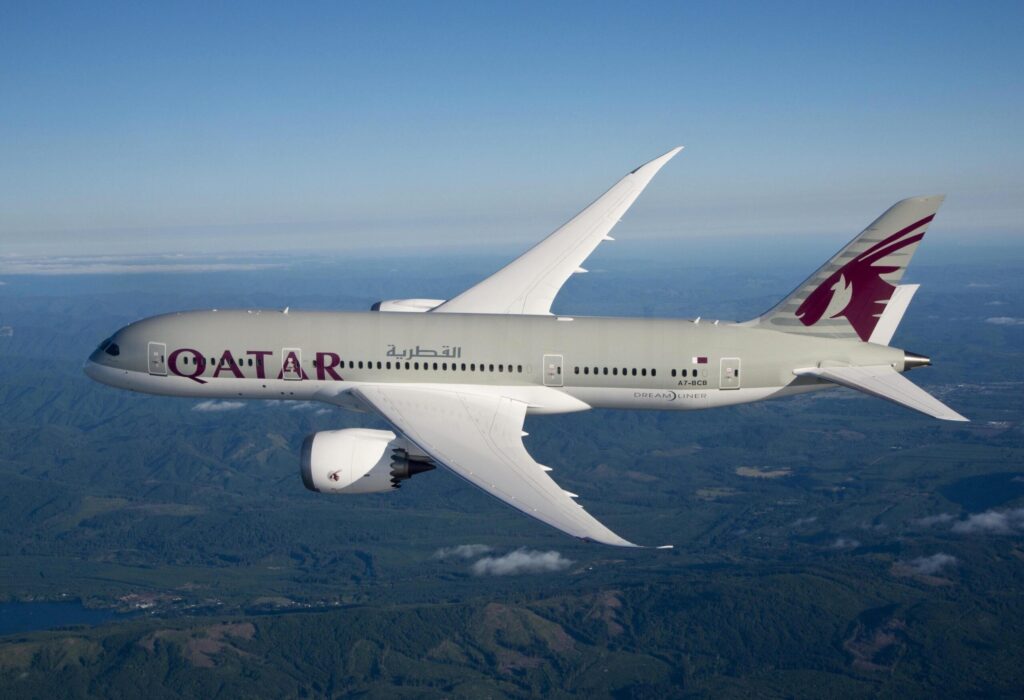
A recent London Heathrow to Singapore flight was rocked by severe turbulence, resulting in one passenger’s death and over 30 injuries. In 2023, a Phoenix to Honolulu flight left 36 people hurt and needing medical care after similar violent shaking.
These alarming events have passengers questioning if flying during rough turbulence is safe. Aviation experts, however, stress that modern planes are built tough to handle extreme conditions.
Can Planes Handle Severe Turbulence?
Most turbulence isn’t a threat. Planes are engineered to withstand the worst weather storms. BCD says while turbulence can make your flight uncomfortable, it rarely endangers the aircraft. Even in the hardest hits, your plane isn’t moving as much as it feels.
Usually, aircraft stick to their planned routes through turbulence. Pilots only change course or make emergency landings if passenger safety is at risk.
What To Do If You Hit Severe Turbulence
- Follow the Pilot’s Instructions: Listen carefully to announcements for crucial safety info.
- Stay Calm: Keeping your cool helps everyone around you remain composed.
- Secure Loose Items: Put away everything on your tray to prevent injury or loss.
- Keep Seatbelt Fastened: Always buckle up unless told otherwise to stay safe during sudden bumps.
Flying Is Still Safe Despite Rough Skies
Even with turbulence reports rising, flying remains safe thanks to robust airplane design and skilled crews. Pilots and flight attendants are trained for rough weather to keep passengers secure. Understanding turbulence and staying calm can help you breeze through the bumpiest flights unshaken.