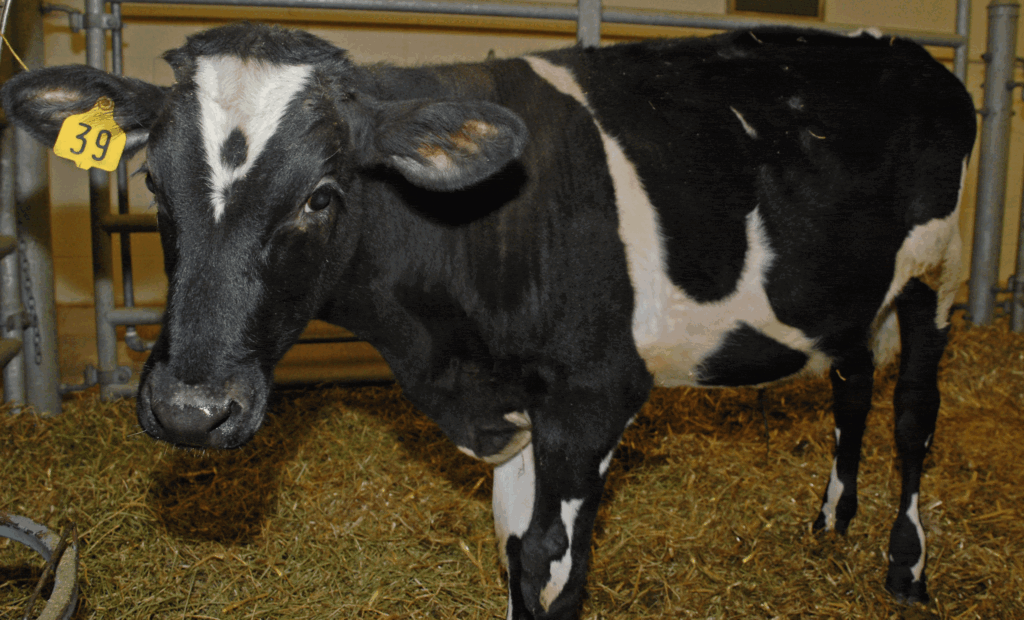
Mad Cow Alert in Essex: Atypical BSE Confirmed on Farm
A case of mad cow disease has been confirmed on an Essex farm, sparking quick action from government officials. The infected cow tested positive for the rare atypical strain of Bovine Spongiform Encephalopathy (BSE). Authorities say the animal was humanely culled on the spot and never entered the food chain, according to the Department for Environment, Food & Rural Affairs (Defra).
“No Risk to Public Health,” Assures UK’s Top Vet
Chief Veterinary Officer Christine Middlemiss confirmed the case was found during routine checks. She stressed the difference between the atypical strain and the classical BSE that caused the 1990s crisis.
“Atypical BSE occurs spontaneously and is not contagious,” Middlemiss said. “This case highlights how effective our monitoring systems are.”
What’s Atypical BSE? A Rare, Spontaneous Threat
Unlike the classical BSE linked to contaminated feed and the 1990s epidemic, atypical BSE is sporadic and rare. It mostly appears in older cattle with no clear cause. Back in the crisis years, over 184,000 cows were infected, leading to the cull of millions of cattle and major reforms in animal feed and slaughterhouse safety.
Food Standards Agency: Meat Is Safe
Dr James Cooper, Deputy Director of Food Policy at the Food Standards Agency (FSA), reassured shoppers there’s “no food safety risk.” He highlighted ongoing veterinary inspections and strict feed controls.
“Consumers can be reassured that the controls to prevent BSE transmission are robust and rigorously enforced.”
Remembering the UK’s Mad Cow Scare
- First case identified in 1986
- Peak of crisis in 1993 with 1,000 new cases per week
- Over 4.4 million cattle culled to halt outbreak
- Major overhauls in food safety laws followed
- Linked to vCJD, a deadly brain disease in rare human cases
Essex Farm Under Investigation, No Restrictions Yet
The Essex farm involved remains unnamed. Officials are investigating but have not imposed any movement bans or wider restrictions.
The incident is expected to have no impact on UK meat supplies or exports, reassuring consumers across the country.