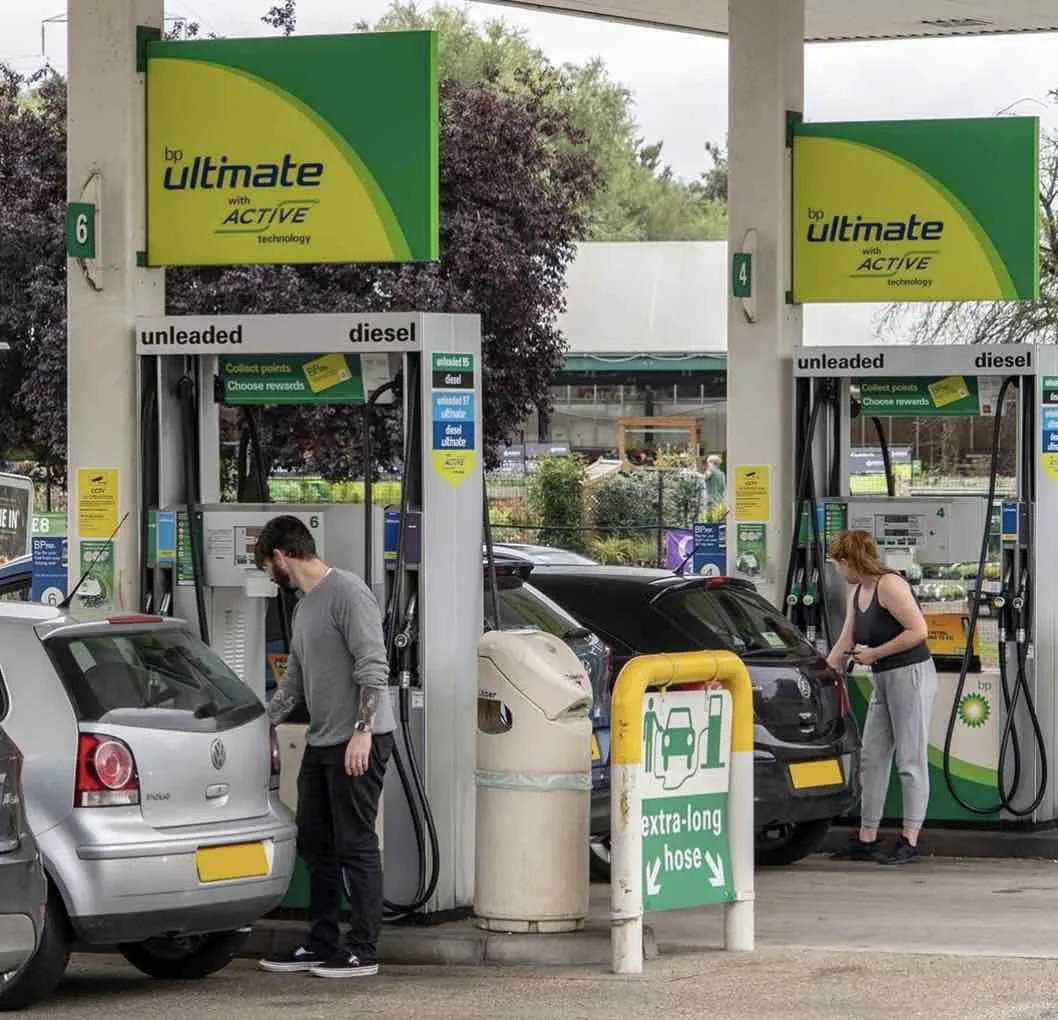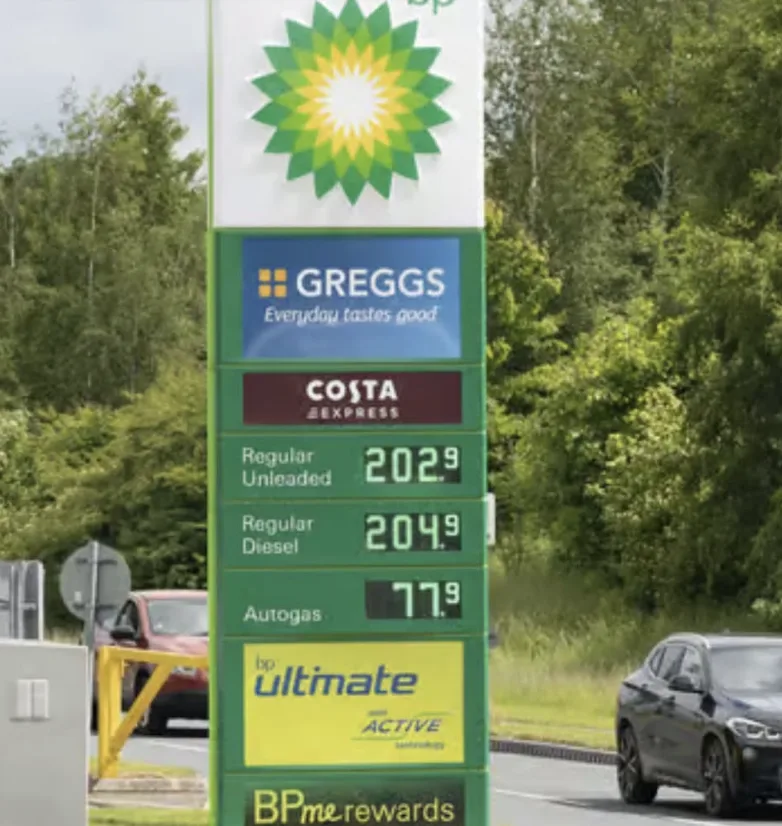
Drivers are facing growing pressure at the pumps as the cost of filling up continues to put a significant strain on household finances.
For millions of motorists, driving is not simply a luxury. Cars remain essential for getting to work, taking children to school, attending appointments and carrying out everyday journeys, particularly in areas with limited public transport.
The impact is immediately visible at filling stations, where motorists can see £80, £90 or even £100 added to the cost of a single tank depending on the vehicle, fuel price and amount required.
Rising fuel costs also have a wider impact because businesses, delivery companies and hauliers face increased transport expenses that can ultimately feed through into the prices paid by consumers.
The pressure is particularly difficult for households whose incomes have not increased at the same rate as their essential costs.
The situation has also renewed scrutiny of the profits made by major energy companies, including Shell and BP, at a time when motorists are being asked to absorb higher costs.
With many households already having to make difficult decisions about spending, further increases at the pumps risk putting additional pressure on family budgets.
For motorists who have little choice but to use their vehicles every day, even relatively small changes in the price per litre can quickly add up.