270 Cases of Childhood Hepatitis Confirmed in UK
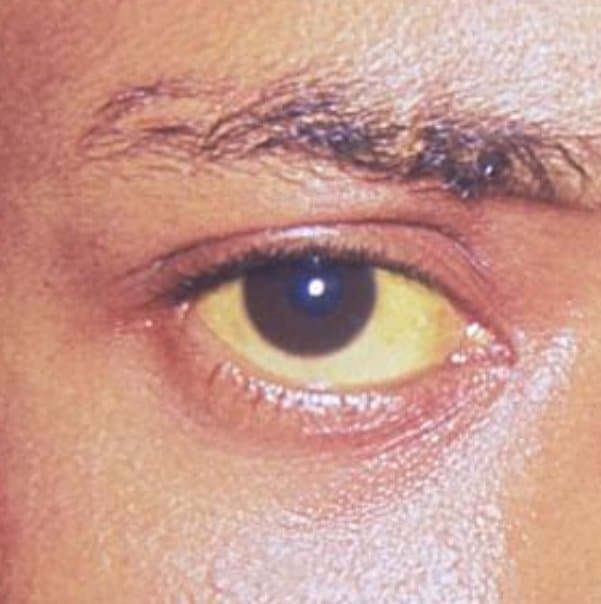
There have been 270 confirmed cases of hepatitis in children aged 10 and under as of July 19. Fifteen youngsters needed liver transplants, but thankfully, none have died. The good news? New cases are now falling.
Adenovirus Remains Main Suspect
The latest technical briefing looked at 274 confirmed and possible cases up to July 4. Adenovirus is the most common culprit, showing up in 65.9% of tested children (170 out of 258). A UK-wide case-control study found a strong link between adenovirus infection and these hepatitis cases. Surveillance data also revealed a spike in adenovirus infections in young children — but not in older kids or adults.
New Research Shines Light on Virus Combo
Researchers from the MRC-University of Glasgow and the Royal Hospital for Children teamed up with Public Health Scotland and international partners to dig deeper. Using advanced metagenomics to study patient samples, they found adenovirus-associated virus 2 (AAV2) in most cases but barely any in healthy controls.
“AAV2 usually doesn’t cause illness on its own and needs a ‘helper’ virus to multiply,” the briefing explains. Scientists also suspect some children’s immune systems may play a role, but it’s too early to say how these factors fit together.
Coronavirus Unlikely to Be the Cause
The role of COVID-19 was also studied — but there’s no strong link. Just 4.4% of hepatitis cases tested positive for SARS-CoV-2 shortly before hospital admission, similar to 4% in other A&E visits. Looking at previous COVID infections, 11.9% of cases tested positive, less than the 15.6% in a matched control group. Blood samples showed no significant difference in COVID antibodies either.
“Untangling the cause of the increase in childhood hepatitis cases observed in 2022 is complex,” said Dr Meera Chand, Director of Clinical and Emerging Infections. “Multiple strands of the investigation point to the possibility that several different factors have combined to cause severe illness in some children.”
Although childhood hepatitis remains very rare, UK Health Security Agency (UKHSA) is still on the case with academics and global health experts to understand why this cluster happened and prevent future outbreaks.