UK on Alert as Asian Hornet Threat Peaks This Summer
Britain’s Chief Plant Health Officer, Professor Nicola Spence, has issued a sharp warning as summer gets underway: stay vigilant for Asian hornet sightings. These invasive insects, smaller but deadlier than native hornets, pose a serious threat to honeybees and other vital pollinators.
Spotting the Asian Hornet: What to Look For
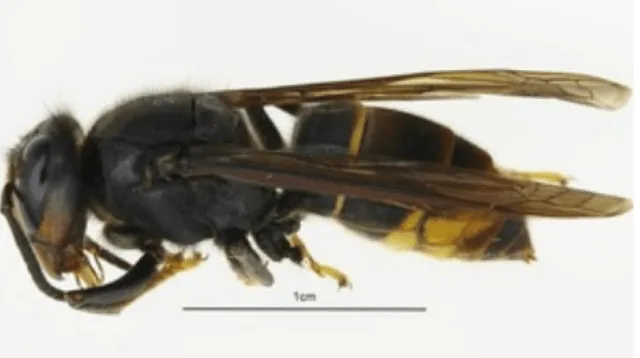
Asian hornets sport a dark body with a distinctive wide orange stripe on the fourth segment of their abdomen and yellow-tipped legs. If you spot one, don’t delay—download the Asian Hornet Watch App to report it instantly.
Record Sightings Have Experts on Edge
Last year shattered records with the highest number of Asian hornet sightings ever reported in the UK. The National Bee Unit sprang into action, locating and destroying 72 nests at 56 sites, with Kent firmly established as the UK’s Asian hornet hotspot.
Nationwide Hunt to Eradicate Alien Invader
The National Bee Unit is not taking any chances this year. Trap traps are set in spring to catch overwintering queen hornets early. These smart traps let harmless insects escape, focusing the attack on the invasive predators.
Public Eyes Crucial in the Fight
Professor Nicola Spence stressed the public’s vital role: “Early reports help us act fast. Asian hornets don’t threaten human health directly but can devastate bee colonies and other pollinators vital for UK ecosystems.”
How to Report Asian Hornets Quickly
Spotted an Asian hornet? Snap a photo and report it using the “Asian Hornet Watch” app on iPhone or Android. Beekeepers should check the gov.uk sightings page and BeeBase regularly for updates.
Chelsea Flower Show Shines Spotlight on the Menace
Coinciding with this warning, Defra is spotlighting the Asian hornet threat at the Chelsea Flower Show. An interactive exhibit paints a vivid picture of how these invaders endanger honeybees and wild pollinators—aiming to galvanise gardeners and the industry into action.