EV Battery Fires Spark Crisis for UK Fire Services
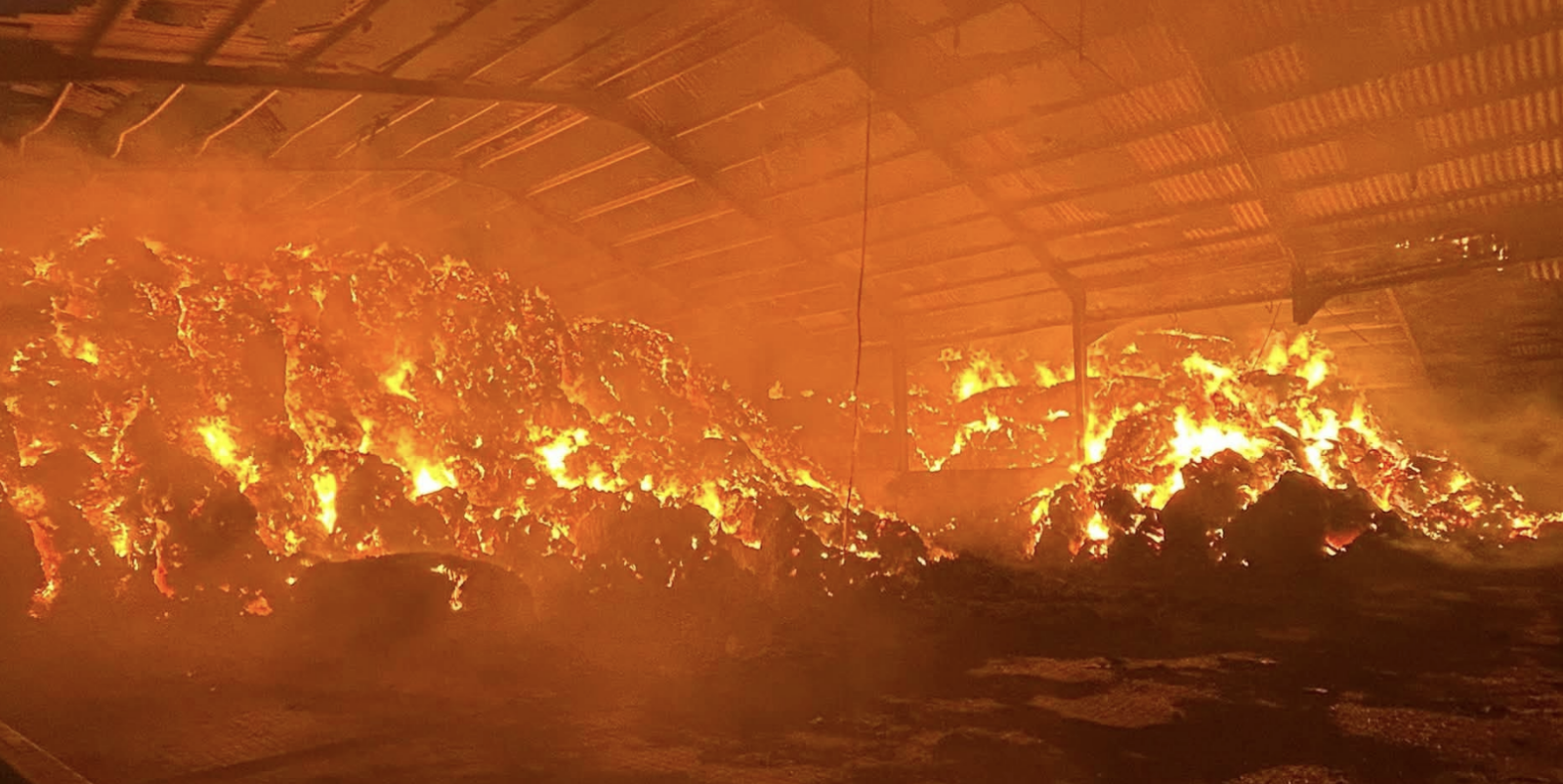
Forget traditional car fires — electric vehicle (EV) and hybrid blazes bring a new nightmare. Lithium-ion batteries can trigger “thermal runaway,” a violent chemical reaction that releases intense heat and fuels flames that refuse to die down. These fires aren’t just hot; they’re deadly.
Toxic Fumes and Rising Emergency Calls
These battery fires spew poisonous gases like hydrogen cyanide and carbon monoxide, putting firefighters and the public at serious risk. As electric scooters, e-bikes, and commercial EVs flood the streets, battery-related fires have surged, leaving fire crews stretched to breaking point.
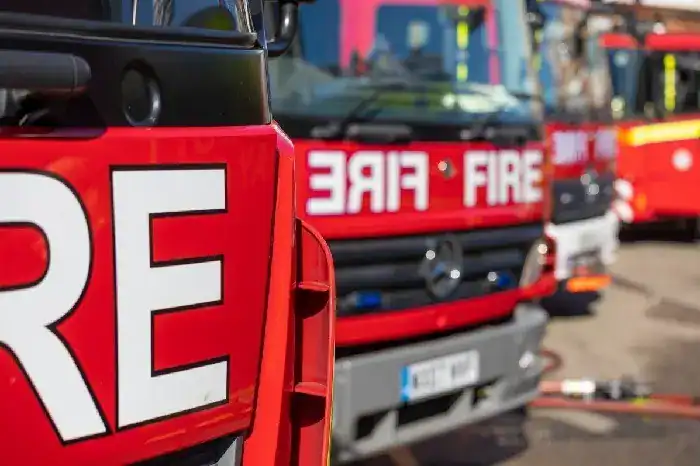
Fire services in Norfolk, Essex, Kent, and London have jumped to tackle the crisis. London Fire Brigade has already faced 143 lithium battery fires in 2023 — a staggering eightfold rise from just 31 in 2020.
“The rise in lithium battery fires is alarming,” said London Fire Brigade’s deputy commissioner, Dom Ellis.
Unique Dangers Drain Firefighting Resources
Handling EV fires isn’t your average douse-and-go. These blazes demand specialist training, extra equipment, and gallons of water — up to 6,600 gallons per fire, compared to just 220 to 400 gallons for petrol fires. Reignitions can flare up days later, keeping firefighters on edge.
There’s also the risk of contaminated runoff polluting water supplies. Fire brigades are now hunting for hazmat-trained officers to stay ahead of this new threat.
Experts Call for Better Training and Risk Management
The National Fire Chiefs Council is keeping a close eye on the growing danger. Birmingham University research stresses that understanding and managing lithium-ion battery risks is crucial to protect both emergency crews and the public.
As the UK races towards electrification to cut carbon emissions, the battery fire crisis shows no signs of slowing — forcing fire services into a costly, watery battle against a fiery foe.