UK Tech Joins Trillion-Dollar Club with Quantum Leap
The UK tech sector has just hit a massive milestone, joining China and the USA as the only countries boasting a tech market worth over one trillion dollars. Even more groundbreaking, the government has bagged its very first quantum computer.
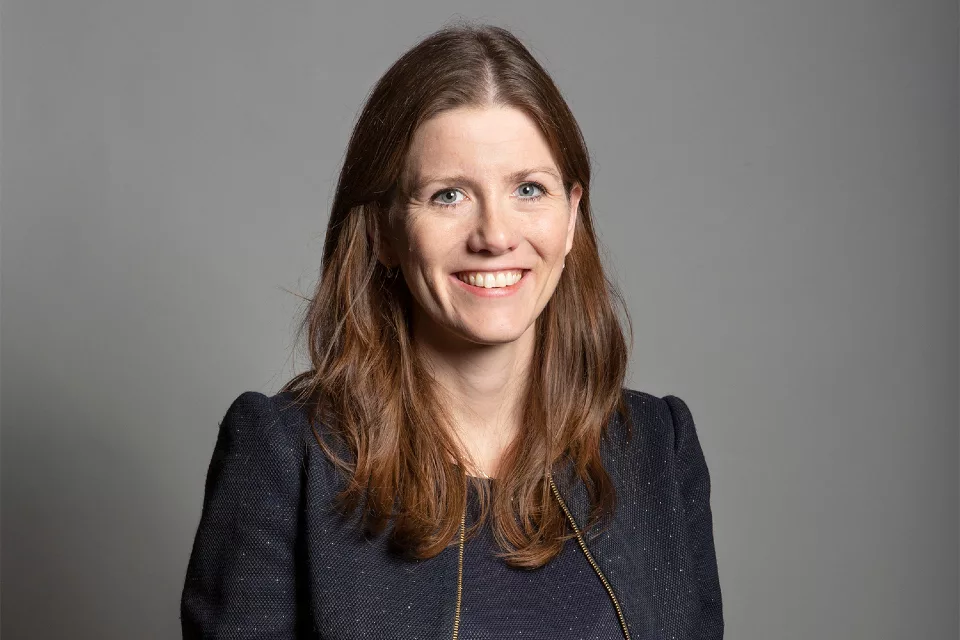
And for the first time ever, the UK has a dedicated Technology Secretary in place to steer this booming industry.
From Mansion House to Modern Innovation Hubs
This isn’t just a flash in the pan. Nearly 150 years ago, 300 of Britain’s top inventors and scientists gathered for a dinner at Mansion House—just like tonight—to talk about the future of science and technology. They sparked a tech revolution that smashed all expectations.
Today, the revolution is happening everywhere—from living rooms where young coders dream big, to shared office spaces buzzing with collaboration. Our NHS, transport, and military services are now hotbeds of tech innovation, making the sector more inclusive and open than ever before.
Driving Scaleups: Britain’s Tech Powerhouse
- UK digital sector is growing three times faster than the rest of the economy.
- Home to 85,000+ tech startups and scaleups employing over 3 million people.
Scaling up tech businesses doesn’t just create jobs—it saves lives and upgrades our quality of life. Expect next-gen hospital equipment, safer and cheaper public transport, and sharper emergency services. The tech boom means longer, healthier, and smarter lives for everyone.
But success isn’t magic. Scaleups need the right mix of capital, skills, and cutting-edge tools like quantum and supercomputers. In just seven weeks, the new Department of Technology has rolled out a £2.5 billion quantum fund and is building a £900 million exascale supercomputer—ready to power thousands of future scaleups.
Backing British Tech: Money, Skills, and Smarts
Private investors are pouring cash in too. For every government pound in research and development (R&D), the private sector chips in two. The Chancellor recently announced £1.8 billion in support over five years for R&D-intensive small businesses, attracting more tech investment than France and Germany combined.
Britain is the fintech capital of Europe, second only to the US in attracting investments. Fintech guru Ron Kalifa, present at tonight’s event, has played a key role in boosting our competitive edge.
Innovation means action, not just talk. The government is delivering with:
- A £250 million Tech Missions Fund to boost quantum and bioengineering firms.
- An extra £10 million to the UK Innovation and Science Seed Fund to draw private investment.
- A revamped plan for UK GDPR to simplify data rules without jeopardising trade with Europe.
Skills and Regulation: The Secret Sauce
Tech giants like the US, China, and the UK owe their trillion-dollar valuations to top talent. Did you know 22 of the world’s 25 leading universities are in these three countries? They punch above their weight in academic research and Nobel prizes.
This country aims higher—not just to compete but to be a true Science and Technology Superpower by 2030. In just weeks, the new Secretary has launched a Global Talent Network to attract AI experts, committed £50 million to modernise labs, and doubled AI PhD funding.
But innovation needs smart regulation: clear, agile, and supportive—not a killjoy. This week’s AI White Paper will set out a framework that encourages new tech without stifling it. Plus, the creation of an AI sandbox ensures emerging tech can flourish without heavy-handed rules.
Tech Revolution for Real People
This isn’t about bragging rights or lofty rankings. Success is measured by real-world impact—jobs that excite, tech that saves lives, and access that lifts people out of hardship.
Whether you’re a seasoned CEO or a scrappy startup founder, the government wants to work with you. The mission: make the UK a true global tech titan by the end of the decade.
If the tech revolution improves lives visibly and tangibly, then the UK will have earned the crown of Science and Technology Superpower—for good.