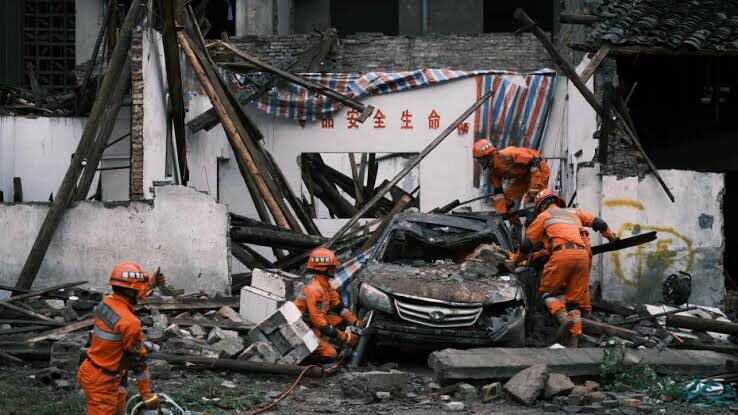
Devastating 6.2 quake rocks China’s Gansu province
A powerful 6.2-magnitude earthquake has slammed rural Gansu province in north-west China, killing at least 118 people and injuring more than 250. The quake struck at a shallow depth, causing major destruction across the region.
Freezing conditions hamper desperate rescue efforts
Rescuers are battling brutal sub-zero temperatures below -13C as they search for survivors trapped under rubble. China’s government has deployed emergency teams to back up local crews scrambling to save lives.
President Xi Jinping has ordered a full-scale rescue operation. Essential services like power and water are knocked out in parts of Gansu, making relief work even harder.
Second earthquake hits Xinjiang province
Adding to the calamity, a second quake struck nearby Xinjiang province. Details are still emerging, but the back-to-back tremors raise fears of more damage and casualties.
Poor building standards worsen disaster impact
The quake hit a densely populated area at night, catching many off guard. Earthquake expert Chen Huizhong said flimsy local buildings made the wreckage far worse.
Daylight footage shows destroyed homes and rescue crews using excavators to clear a mudslide blocking roads in neighbouring Qinghai.
Authorities warn the death toll, currently at 118, is likely to rise as 20 people remain missing. Fatalities have been confirmed in both Gansu and Qinghai provinces.
Urgent call for reinforcements amid harsh conditions
Gansu officials are urgently requesting more emergency workers to join the rescue. A Level 2 earthquake response is in place to manage the crisis.
Shi Wanjin of the Gansu Houtian Emergency Rescue Corps said icy roads and freezing weather are slashing the critical window to save lives.
This tragedy highlights the vulnerability of China’s rural areas to powerful quakes and the urgent need for stronger disaster preparedness.