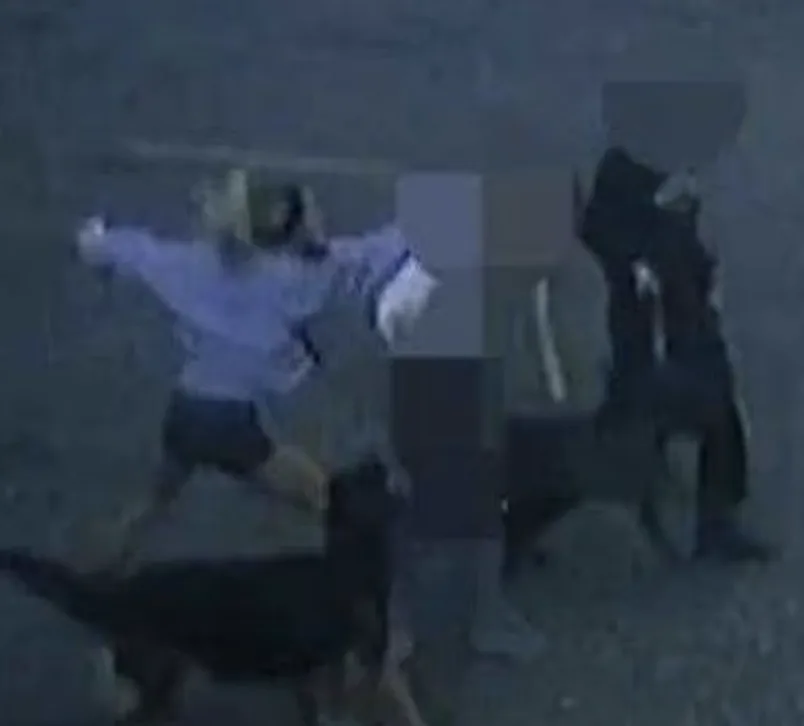
The stabbing/" class="uknip-inline-link">Metropolitan Police has overhauled its body-worn video (BWV) policy to release more footage promptly in efforts to boost transparency and public confidence in policing. This move was notably applied following a knife attack in Golders Green and a recent major public order operation, where BWV footage was shared within hours, providing clear insight into officers’ actions and the challenges they face.
Faster Footage Releases
Previously, BWV footage was typically withheld until criminal proceedings concluded, a process that can take years due to court delays. The updated policy now allows the Met to share more full-length videos sooner, giving the public a complete view rather than selective clips often circulating online.
This change balances transparency with legal safeguards to protect ongoing cases.
Backing Officers On Duty
Commander Neerav Patel emphasised the benefit to officers, stressing that partial or edited videos can undermine their work.
He said, “This new change in policy will allow the public to see what we’re doing to keep them safe.” The policy also demonstrates support for officers facing public scrutiny, ensuring they feel backed amid complex and sometimes hostile situations.
Building Public Confidence
Polling shows 60% of Londoners trust the Met more after viewing BWV footage of criminals being caught. Overall confidence in the Met is rising, with 81% of residents believing the force is doing a good or fair job.
The force continues to ramp up BWV sharing on social media, showcasing heroic efforts such as saving residents from fires and apprehending suspects.
Strict Controls On Release
The updated policy mandates that any release of BWV footage must be necessary, proportionate, and comply with legal obligations, including data protection and operational risks. When another agency leads an investigation, they will approve any video release, ensuring proper oversight and accountability.