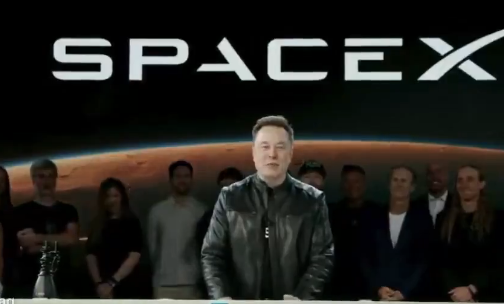
Elon Musk, the 54-year-old tech entrepreneur behind Tesla, SpaceX and Neuralink, officially became the world’s first trillionaire in June 2026. His combined holdings in his ventures have pushed his net worth past $1.1 trillion (£820 billion), marking an unprecedented milestone in global wealth.
Despite reaching this fortune, Musk faces widespread criticism for refusing to tackle pressing global issues like world hunger.
The Rise Of Muskonomy
Musk’s business empire, often called the ‘Muskonomy’, spans Tesla, SpaceX, Neuralink and The Boring Company, plus his acquisition of Twitter (rebranded as X). He wields massive influence over internet culture and politics, with noted alignment to far-right supporters.
He formerly headed the Department of Government Efficiency under Donald Trump before quitting amid controversy and falling Tesla sales.
Trillionaire Milestone Explained
The bulk of Musk’s wealth is tied up in stock rather than cash. Experts warn that selling large shares could damage company values, explaining why his trillionaire status doesn’t equate to liquid assets.
His net worth now eclipses that of other billionaires, including Oracle’s Larry Ellison, whose peak was $400 billion.
The Cost Of Global Problems
Musk’s fortune could theoretically resolve major global challenges — for example, clearing Singapore’s $1 trillion national debt or funding the fight against world hunger. Yet, Oxfam estimates resolving extreme hunger requires $37 billion annually until 2030.
Musk previously pledged $6 billion if the UN detailed a plan, but did not act after receiving it.
Public Response And Impact
Social media users have criticised Musk’s refusal to use his wealth for social good. Many argue his fortune is tied up in stocks, dubbing it “wooden money,” while others press for greater philanthropy.
Despite this, Musk continues growing his business empire, hailed by JP Morgan CEO Jamie Dimon as the “Edison of our time.”