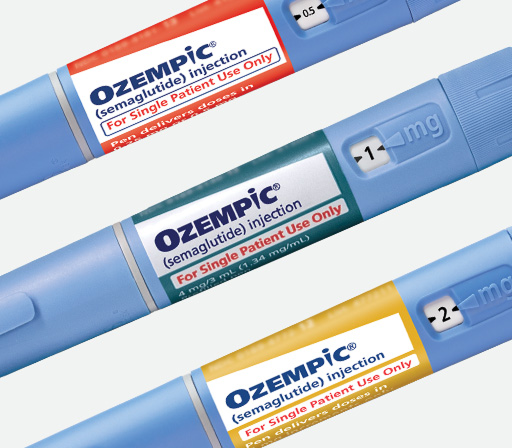
New research from Rutgers University reveals that GLP-1 weight loss drugs like Ozempic and Wegovy may significantly reduce the likelihood of violent behaviour. The US study analysed data from 7,521 adults surveyed in 2025, finding that current users of these medications showed a 62% weaker link between impulsivity and violent crime, and a 52% weaker connection between alcohol use and violence compared to former users.
Drugs Weaken Violence Links
The study published in the journal Criminology suggests these GLP-1 medications do not stop impulsivity or alcohol use entirely but reduce their escalation into violent acts. Co-author Christopher Thomas explained that the drugs appear to act like cognitive behavioural therapy, weakening the chain from impulse to violent action.
Impact On Public Safety
Lead author Daniel Semenza highlighted the importance of understanding the wider behavioural effects as prescriptions for GLP-1 drugs rise. “It is vital to recognise how these medications might influence public safety through reduced violent behaviour,” he said.
How The Drugs Work
GLP-1 drugs mimic a natural hormone affecting brain regions that regulate dopamine and motivation. Semaglutide, the active ingredient, lowers dopamine spikes caused by addictive triggers, reducing cravings for alcohol, nicotine, and food.
This dampening of reward-seeking behaviour may explain the link to lower violent tendencies.
Further Research Needed
The study is observational, so researchers urge caution in interpreting causation. More research is needed to confirm if GLP-1 medications directly reduce violent behaviour and to understand the exact biological mechanisms involved.
Nevertheless, this study adds to growing evidence that GLP-1 drugs influence more than weight loss and blood sugar, extending their potential benefits to behavioural and public health realms.