Libya’s Army Chief Dies in Plane Crash Over Turkey
The Libyan army’s top brass, Mohammed Ali Ahmed al-Haddad, is dead after a plane crash near Ankara, Turkey. The tragedy struck shortly after takeoff, wiping out the senior military leader and four others onboard.
Top Military Officials Perish in Crash
Libya’s Prime Minister Abdul Hamid Dbeibah confirmed the death of al-Haddad on Tuesday evening. The chief of staff was returning from an official visit to Ankara when the aircraft lost contact mid-flight.
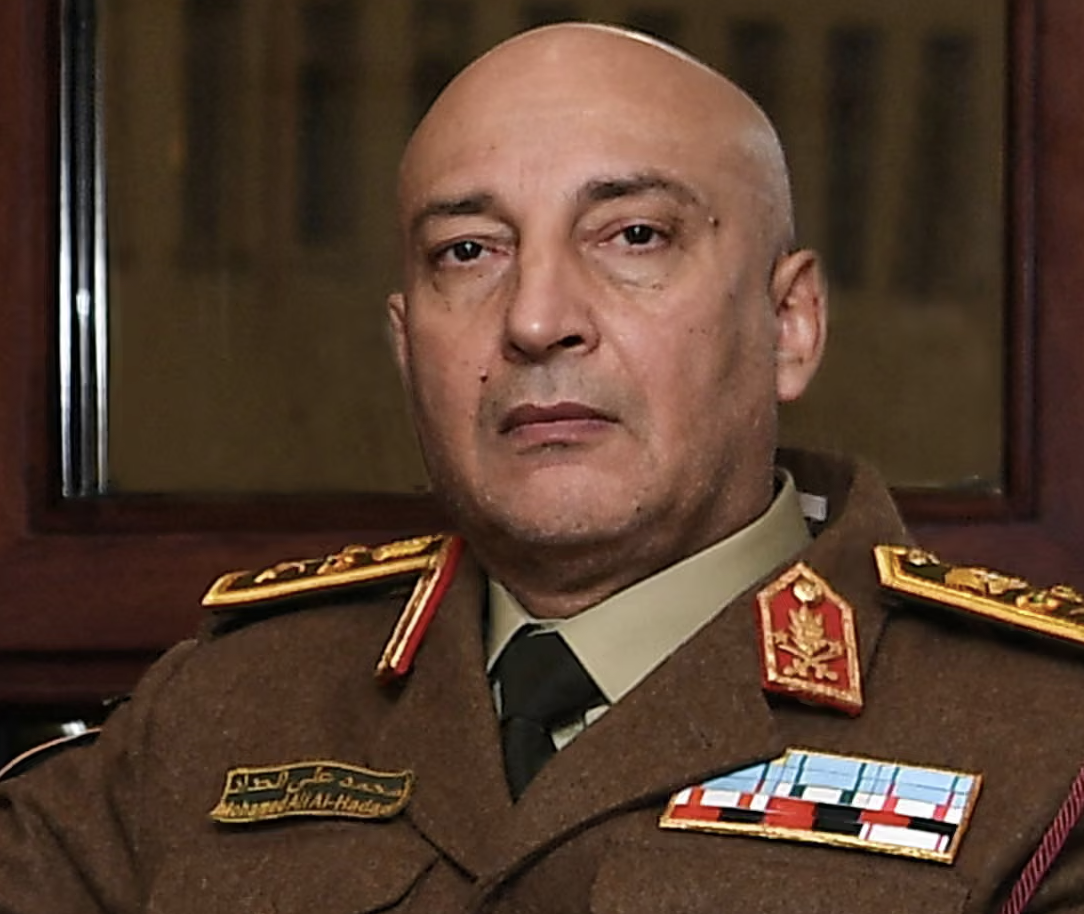
Alongside al-Haddad, the commander of Libya’s ground forces, the director of its military manufacturing authority, an adviser to the chief of staff, and a military photographer were also on board the jet.
Emergency Landing Requested Before Crash
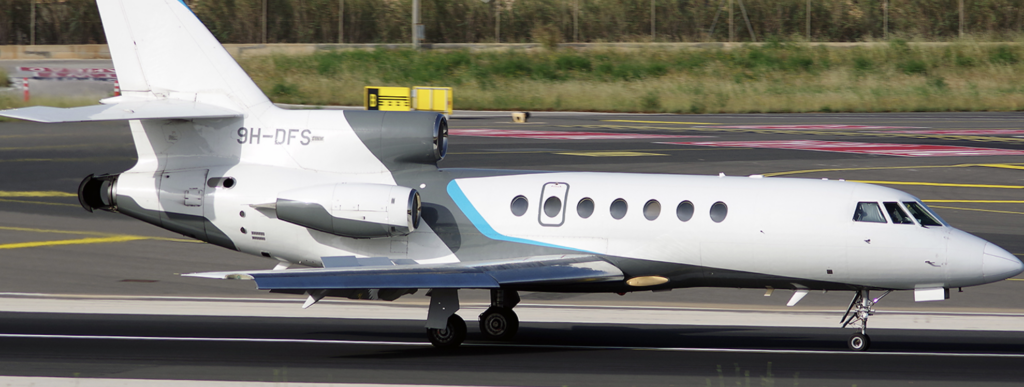
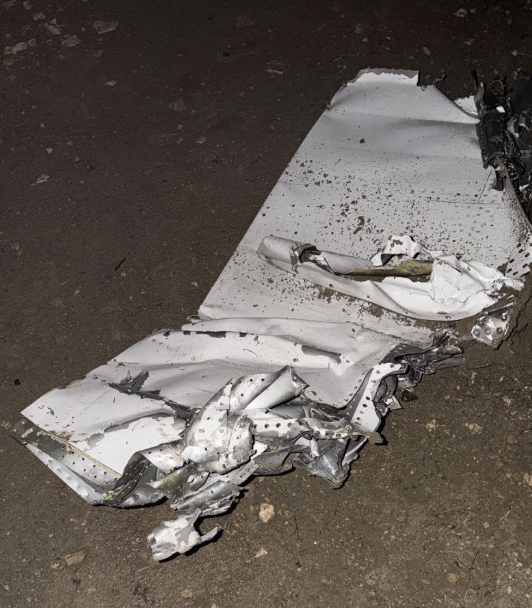
According to Turkish Interior Minister Ali Yerlikaya, the Dassault Falcon 50 jet took off from Ankara’s Esenboğa airport at 17:10 GMT heading to Tripoli. Contact was lost at 17:52 GMT after the plane requested an emergency landing near Haymana district.
The wreckage was found near Kesikkavak village, but the cause of the crash remains unknown.
Diplomatic Visit and Turkish Involvement in Libya
Earlier, Turkey’s defence ministry had announced al-Haddad’s visit. He met with Turkish defence officials, including ministers Yasar Güler and Selçuk Bayraktaroğlu.
The crash comes a day after Turkey’s parliament extended the deployment of Turkish troops in Libya by two more years. Turkey, a NATO member, has been a key supporter of Libya’s Tripoli-based government, providing military training and backing since 2020.
Turkey and Libya have also signed controversial maritime and energy accords, opposed by Egypt and Greece. Recently, Turkey has started increasing contacts with Libya’s eastern faction in a bid to unify the country under its “One Libya” policy.
“This grave loss is a great loss for the nation, for the military institution, and for all the people,” said Libya’s Prime Minister Abdul Hamid Dbeibah.
More news from United Kingdom