Key Workers: Here’s How to Get Tested for COVID-19
Coronavirus has thrown everyone into uncertainty. Who’s infected? When can life get back to normal? The answer lies in testing. Reliable testing is crucial to beating this virus.
Who Can Get Tested?
The government’s 5-pillar coronavirus testing strategy prioritises key workers showing symptoms. Testing is rolling out in phases and will take time to cover everyone. Right now, these frontline heroes are eligible:
- NHS and Social Care Staff: Doctors, nurses, GPs, healthcare assistants, pharmacy workers, plus those supporting NHS staff like hotel workers.
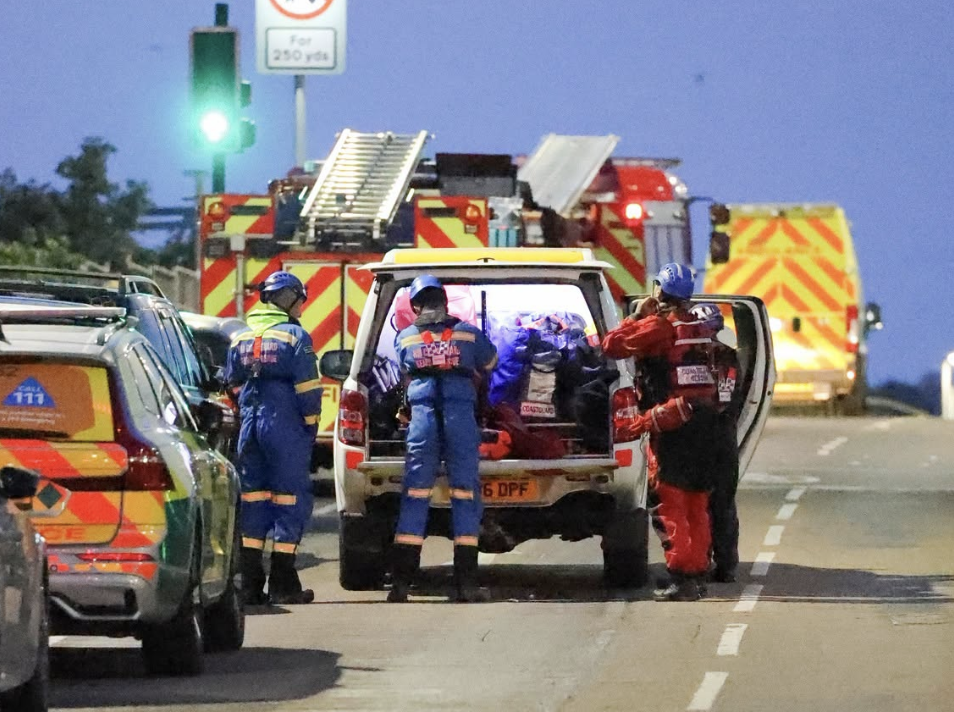
- Emergency Services: Police, fire, rescue teams, National Crime Agency, MOD police, and British Transport Police.
- Local Authority Workers: Social care workers for vulnerable adults and children, domestic abuse support staff, homeless outreach workers, family social workers, environmental health inspectors.
- Defence and Justice Staff: Armed forces personnel, prison and probation staff, judiciary, and court service workers.
- Frontline Benefits Workers.
- Other Critical Frontline Workers: Medical supply chain, lab testers, funeral directors, Home Office and Border Force staff, Maritime and Coastguard Agency, energy, utilities, food and transport workers.
Note: This list is for England only. Scotland, Wales, and Northern Ireland have their own rules.
How to Book a Test in England
If you’re a frontline worker listed above and have coronavirus symptoms, speak to your employer first. Employers will get details on booking tests via local resilience forums, national departments, or the Department of Health and Social Care.
If employers have questions, they can contact their local resilience forum, national department, or email [email protected].
What to Expect During Testing
Testing involves a swab of the nose and throat. You can do this yourself or have it done by a professional. The NHS has several testing options:
- On-site testing at NHS hospitals (for patients and staff only).
- Drive-through regional testing centres — up to 50 across the country by the end of April.
- Mobile testing units traveling to hotspots from regional hubs.
- ‘Satellite’ test centres at hospitals with urgent needs.
- Home test kits are in development for self-testing without leaving your house.
Samples are collected by couriers and analysed at labs. Results are usually back within 48 hours of testing.