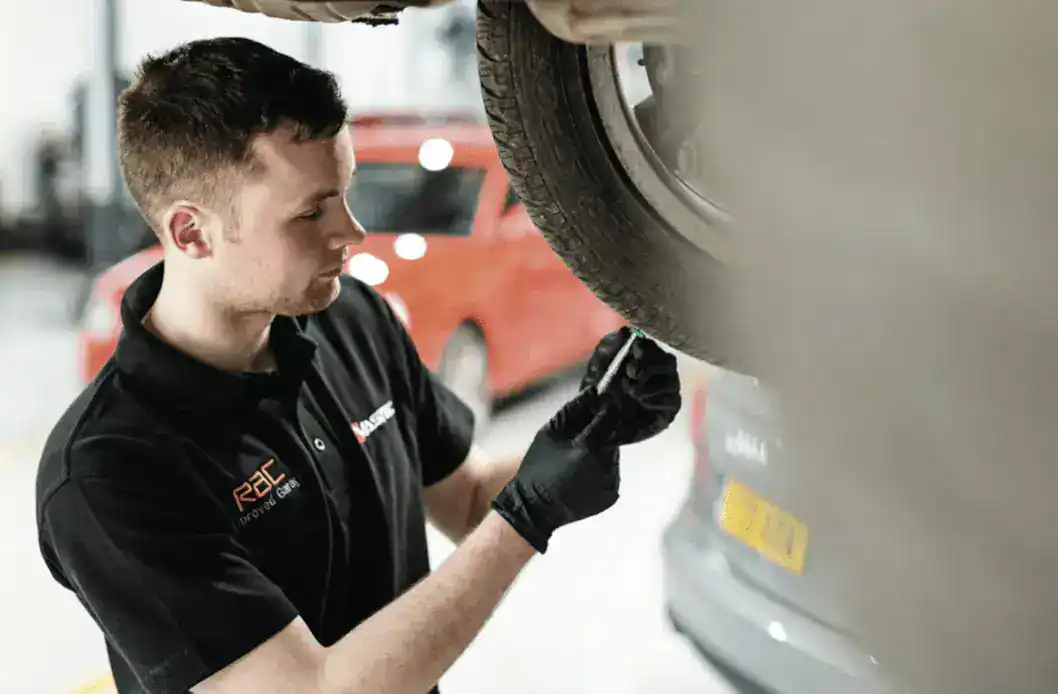
Brake and Tyres Cause Most Dangerous MOT Fails
Lamps, reflectors, and indicators top the list for MOT failures, but it’s brake and tyre issues that lead to the most serious bans, according to DVSA data analysed by the RAC.
Headlights and Suspension Lead MOT Failures
Non-working headlights, indicators, and reflectors accounted for 25.5% of MOT failures in the year to March 2022. Faulty or broken suspensions made up 18.3%. Brakes (17%) and tyres (12%) were next, with poor visibility—mostly cracked windscreens—at 8.7% rounding out the top five.
One in Three Cars Fail MOT on First Try
A whopping one-third of cars, vans, and small passenger vehicles fail their initial MOT test, meaning drivers face repairs. Worse still, nearly 8%—around 2.4 million vehicles—fail due to at least one dangerous defect. Brakes and tyres make up 88% of these critical failures, highlighting how essential it is for drivers to maintain these parts.
Costs Rise but Skipping Checks Could Cost You More
With the cost of an MOT test for a car reaching up to £54.80, repairs can quickly rack up if your vehicle isn’t regularly serviced. The RAC warns drivers against ignoring dashboard warnings or skipping routine maintenance, as it can lead to bigger, pricier problems.
To ease the strain, the RAC now offers affordable MOT and Service Plans that spread servicing and MOT costs over two years for as little as £18 a month for RAC members.
RAC Urges Drivers to Take MOTs Seriously
Nicholas Lyes, RAC Head of Roads Policy: “Many drivers dread the annual MOT, fearing costly repairs. With a third failing their first test, drivers must never ignore dashboard warning lights. Routine servicing lowers the risk of MOT failure. Also, get someone to check your rear lights and indicators regularly—especially if your vehicle lacks modern warnings. “Keeping tyres inflated properly and a smooth driving style can prolong tyre life. If anything sounds or feels wrong, visit a trusted garage immediately. “We also understand tough cost pressures. That’s why we launched our MOT and Service Plan with one affordable monthly fee. Plus, in the West Midlands, Manchester, Sheffield and Liverpool, our Mobile Mechanics will come to you, saving trips to the garage.”
MOT Changing but Drivers Don’t Want to Wait Two Years
The MOT has evolved since its 1960 introduction, adding emissions tests in 2018. Failures due to emissions, noise, and leaks made up 5% of all failures in 2021-22. The 2018 revamp also introduced a five-category pass/fail system, aiming for clearer results.
Despite talk of extending MOT intervals to every two years, 55% of drivers oppose this, fearing road safety risks. Nicholas Lyes warns, “Relaxing MOT rules could lead to more dangerous vehicles on the road. With 7.3 million failed tests and nearly 2.4 million dangerous defects, keeping the annual check is vital.”