Taxi drivers in Ipswich are warning of a growing problem with counterfeit £10 and £20 banknotes after passengers allegedly used fake cash to pay for journeys, leaving cabbies out of pocket.
Drivers say the problem has escalated in recent weeks, with some passengers allegedly carrying large quantities of counterfeit currency.
Local taxi driver Mo Ali fears the issue could extend beyond the taxi trade, potentially affecting shops and other businesses across the Suffolk town.
He said the incidents frequently occur during busy night shifts, when drivers are under pressure to collect passengers, navigate traffic and complete fares quickly.
Taxi Drivers Targeted With Counterfeit Banknotes in Ipswich
Mr Ali said several drivers had been caught out by convincing-looking counterfeit notes, particularly during periods of high demand.
Rainy evenings, late-night journeys and busy football match days have reportedly created opportunities for people to pass fake currency before drivers have time to check it.
“A lot of our taxi drivers have been hit,” Mr Ali said.
“By the time you check it, you realise you’ve been done, by which time it’s too late. It’s difficult to identify, especially when you’re working a stressful night.”
He said passengers of different ages had been involved in suspected incidents, with some claiming they had no alternative way of paying.
In those situations, drivers can be left without payment for the journey and holding worthless banknotes.
Another cabbie reportedly confronted a passenger attempting to pay with a fake note, only to discover the individual had a substantial quantity of suspected counterfeit cash.
Fake Cash Leaving Drivers Struggling With Rising Costs
Mr Ali said drivers already faced significant financial pressures, including vehicle running costs and supporting their families.
While many taxis accept card payments, some drivers prefer cash because electronic payments can take time to reach their bank accounts.
However, accepting a counterfeit note means the driver may lose the full value of the fare.
“A lot of us have got families to look after, costs to pay, and if we’re taking hits, then obviously that puts pressure on us,” Mr Ali explained.
He warned that counterfeit currency could spread further if people unknowingly passed fake notes to shops and other businesses.
Mr Ali is calling on Suffolk Police and Ipswich Borough Council to work more closely with taxi drivers to identify those responsible.
“If you don’t catch these criminals, they’re going to carry on doing this; ordinary, innocent people will get hit,” he said.
Some drivers have started relying on in-car camera systems to provide potential evidence when suspected counterfeit payments occur.
How to Spot a Fake £10 Note
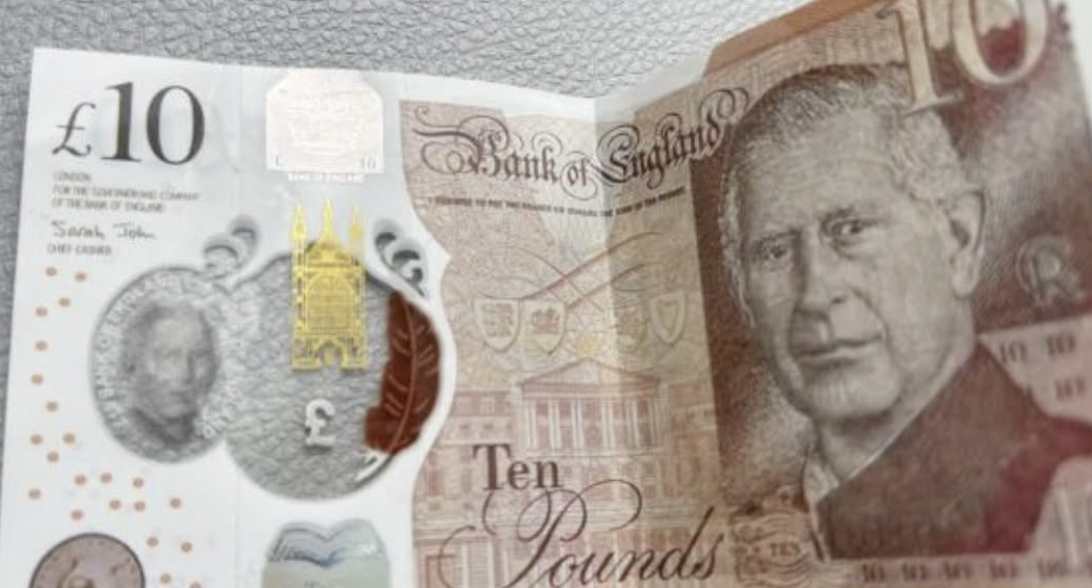
One counterfeit £10 note reportedly received by an Ipswich taxi driver appeared remarkably similar to genuine currency.
However, a comparison with a real note identified differences in the raised tactile dots in the upper-left corner.
Genuine Bank of England polymer £10 notes have two clusters of raised dots designed to help blind and partially sighted people identify their value.
The Bank of England advises people to check several security features rather than relying on a single detail.
These include the hologram, which should alternate between the words Ten and Pounds when tilted, and the transparent window containing metallic foil.
On genuine £10 notes, the foil appears gold on the front and silver on the reverse.
Banknotes should also have clear printing, distinctive raised lettering and a flexible polymer texture.
Both King Charles III and Queen Elizabeth II versions of the £10 note remain valid, and the same security features apply.
Suffolk Police Urge Public Not to Spend Counterfeit Notes
Suffolk Police has urged anyone who suspects they have received counterfeit currency to report it rather than attempt to spend it elsewhere.
Anyone who discovers a suspected fake banknote should retain it if safe to do so and provide officers with information about where and when it was received.
Incidents can be reported to police by calling 101 or through the Suffolk Police website.
The public should call 999 if a crime is taking place and an immediate police response is required.
The Bank of England warns that counterfeit banknotes have no monetary value and cannot be reimbursed if confirmed to be fake.
Further advice on identifying genuine currency is available through the Bank of England’s official banknote checking guide.
Calls for Action Over Counterfeit Cash in Ipswich
Drivers hope greater awareness will encourage passengers, retailers and local businesses to examine cash payments more carefully.
Mr Ali believes a coordinated response from police, the council and taxi operators is needed to prevent further losses.
The total number of reported incidents in Ipswich has not been confirmed, and there has been no announcement of arrests directly linked to the cases described by drivers.