London Fire Brigade Ditches False Fire Alarm Runs
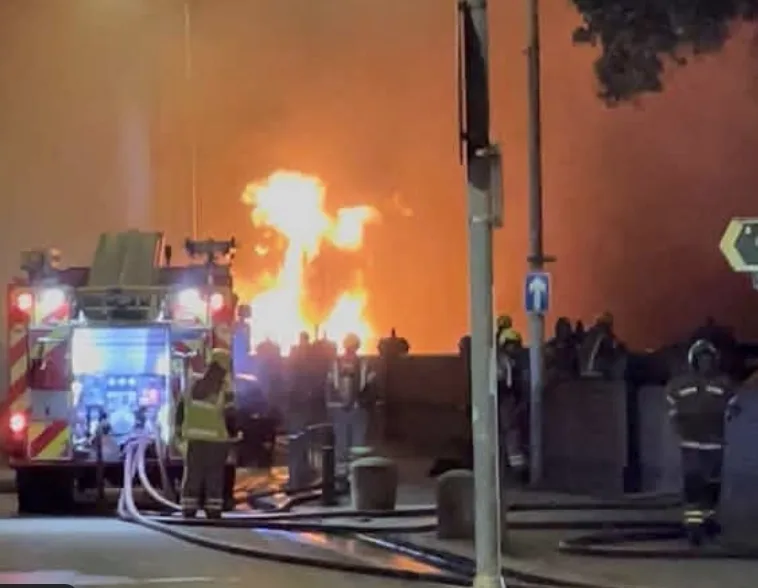
The London Fire Brigade (LFB) is shaking up its emergency response rules. From October, firefighters will no longer rush to automatic fire alarms in most non-residential buildings — unless a real fire is confirmed by a human caller. This follows data showing less than 1% of automatic alarms signal actual fires.
New Policy Hours and Exceptions
The cutbacks will apply between 7am and 8:30pm. During these hours, fire crews will only attend automatic alarms in offices, factories, and similar non-residential sites if someone reports a fire. Outside these times, all alarms will still get a fire service response.
Certain places are exempt from the new rules. Hospitals, schools, nurseries, care homes, and heritage buildings will continue to get full fire brigade coverage for all alarms, no questions asked.
Fire Chiefs Back the Move After Public Consultation
“We are here to keep London’s communities safe, and we want to do this as effectively as possible. We will always attend an emergency and will continue to attend an alarm at any premises where people sleep – such as homes, hotels, and prisons,” said Deputy Commissioner Charlie Pugsley.
The change will free up firefighters to focus more on fire prevention work, such as visiting vulnerable residents, carrying out safety inspections, and honing their skills with extra training.
False Alarms Cost Thousands of Hours Every Year
Between April 2023 and March 2024, LFB turned up to roughly 52,000 false alarms caused by automatic systems. Most false triggers arise from steam, dust inside detectors, or poor system design and maintenance.
The brigade and national fire authorities support efforts to slash these wasted call-outs and boost fire service efficiency.
This bold new policy aims to keep firefighters focused on real emergencies and vital community safety work, cutting delays and saving resources for when lives are truly at risk.