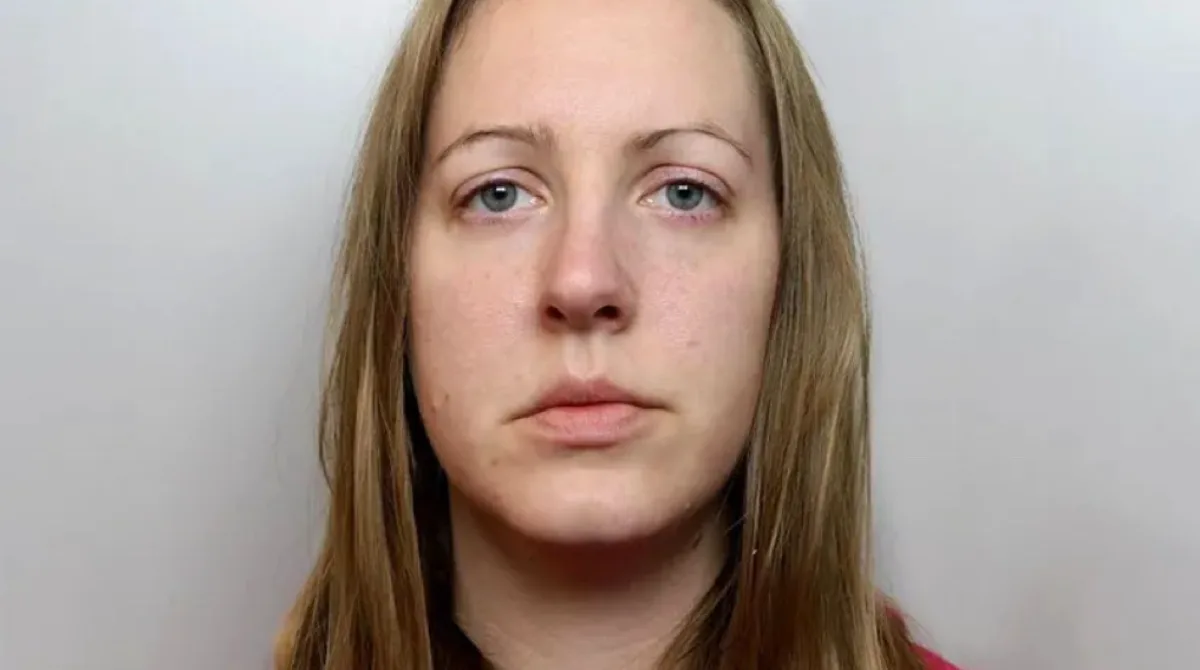
Two experts who previously backed claims that Lucy Letby may have been the victim of a miscarriage of justice have withdrawn their support from her defence team, warning that some of the arguments being advanced have “fundamental unresolvable problems”.
British chemical engineering expert Helen Shannon and New Zealand bioengineering professor Geoff Chase were members of an international panel of doctors and scientists whose work has been used in Letby’s continuing attempt to overturn her convictions.
The pair have now raised concerns about the “scientific credibility” of parts of the case being advanced on her behalf and accused barrister Mark McDonald, who is leading Letby’s fight against her convictions, of putting her long-term interests at “serious, unnecessary and unacceptable risk”.
Letby, 36, continues to maintain her innocence. She is serving 15 whole-life orders after being convicted across two trials at Manchester Crown Court of murdering seven babies and attempting to murder seven others at the Countess of Chester Hospital.
Experts stand by doubts over insulin cases
Shannon and Chase had helped produce a 100-page report questioning Letby’s convictions relating to the attempted murders of two babies, known during the trial as Babies F and L, who prosecutors said had been deliberately poisoned with insulin.
The experts said they continue to believe it was “very unlikely” the two babies were poisoned. Still, they could not support other evidence being advanced by Letby’s defence in relation to the insulin cases.
In a letter to the Criminal Cases Review Commission, they said: “Whilst it is entirely legitimate for the defence to advance multiple arguments, some of the other arguments now being put forward we cannot support as scientifically credible and which have, in our view, fundamental unresolvable problems.”
They also warned that continued association with arguments they considered “demonstrably inaccurate” created a serious ethical issue under the professional engineering codes governing them in the UK and New Zealand.
Barrister defends Letby challenge
McDonald rejected suggestions that the challenge to Letby’s convictions depended on any single expert’s support.
He said the case for her innocence did not “stand or fall on any one expert” and said evidence had been obtained from international specialists in insulin, endocrinology and laboratory medicine which, he argued, undermined scientific evidence presented at trial.
The Criminal Cases Review Commission is considering evidence submitted on Letby’s behalf as it reviews her convictions. The CCRC declined to comment on the latest developments.
The development comes ahead of the publication on Tuesday of the findings of the Thirlwall Inquiry, the public inquiry examining events surrounding the deaths and how concerns about Letby were handled at the Countess of Chester Hospital.