Manchester Arena Terror Attack Rescue Fiasco Exposed
A damning second inquiry into the 2017 Manchester Arena terror attack reveals victims were left “waiting in vain,” desperate for help that never arrived. The emergency response was riddled with failings, meaning at least one of the 22 victims’ deaths could have been prevented.
Emergency Service Chaos Left Victims Stranded
Paramedics and fire crews were held back by a “loss of communication” between emergency services. Rescuers and the injured were left listening to the wailing ambulance sirens outside, unable to reach the wounded in Manchester’s City Room – described in the report as a “war zone.”
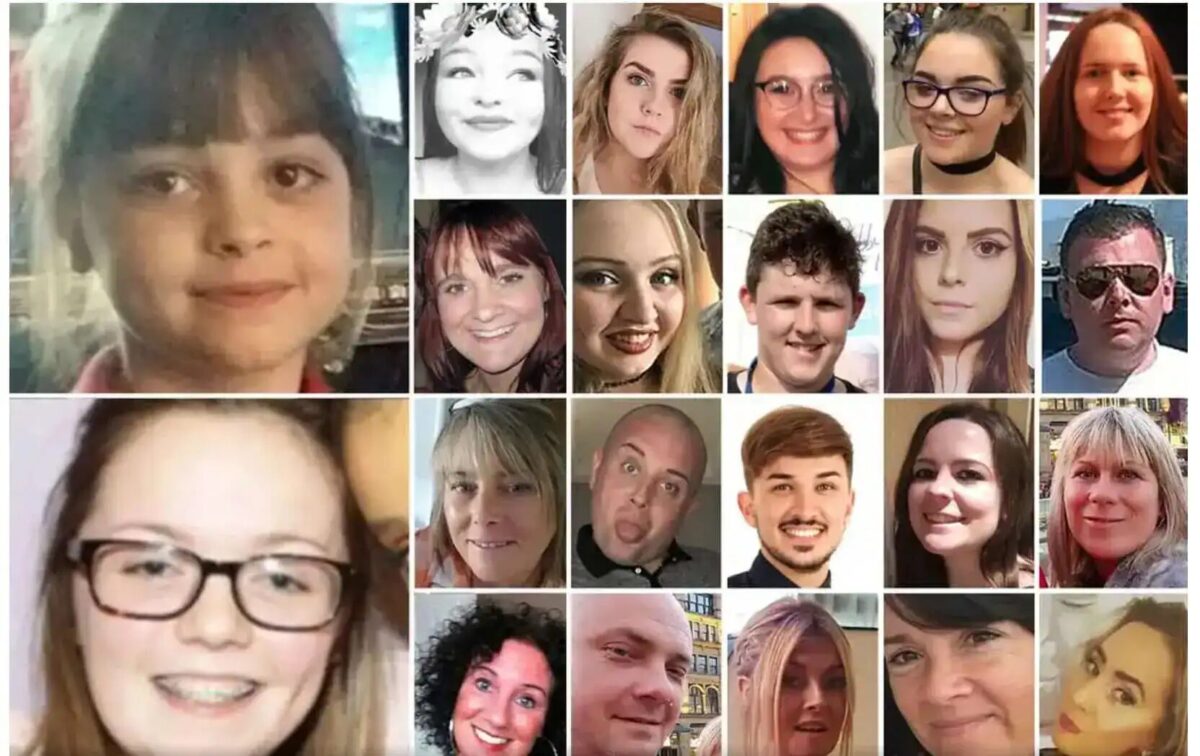
Suicide bomber Salman Abedi’s deadly bomb detonated at the end of an Ariana Grande concert on May 22, 2017, killing 22 people aged 8 to 51 and injuring hundreds more.
The report revealed young victims like eight-year-old Saffie-Rose Roussos might have been saved with a better rescue operation. John Atkinson, 28, “would have probably lived” if transferred to hospital faster.
Failings from Police, Fire, and Ambulance Services
- Greater Manchester Police failed to lead the response properly.
- Greater Manchester Fire and Rescue Service arrived late, missing the crucial window to aid victims.
- North West Ambulance Service did not send enough paramedics into the danger zone.
Sir John Saunders, chairman of the inquiry, admitted the emergency crews “did their best” but “their best was not good enough.” He hailed the “heroic gestures” of bystanders risking their lives to help.
Report Highlights and 149 Vital Recommendations
- Major communication breakdowns, including failure to notify other agencies of “Operation Plato” — the code for a terrorist emergency.
- Delays in ambulance and paramedic arrivals and lack of stretchers to evacuate injured victims.
- No senior fire service officer took control during the critical response period.
- Different risk assessments by police, fire, and ambulance led to disjointed efforts and varied readiness.
The 900-page report, based on testimony from 291 witnesses and analysis of 172,000 documents, calls for routine reviews of major incident plans every six months and high-intensity multi-agency training to better prepare for no-warning terror attacks.
Sir John urges emergency services to adopt a culture that prioritises rapid response over excessive risk aversion to save lives in future crises.