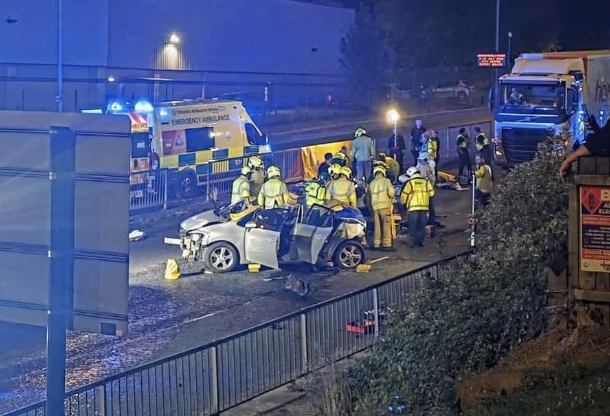
Manchester Arena Horror: Emergency Services ‘Failed Victims’
A grim second inquiry into the Manchester Arena terror attack has blasted the emergency response as “far below standard.” Victims were left “waiting in vain,” desperate for rescue that never arrived, while tragic mistakes may have cost lives.
Chaos and Communication Breakdown
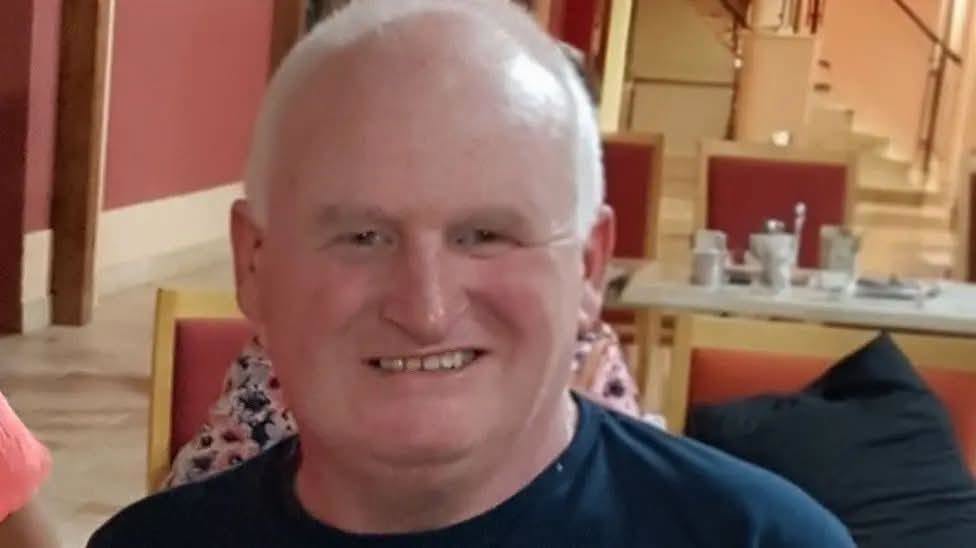
On May 22, 2017, suicide bomber Salman Abedi detonated a bomb at the end of an Ariana Grande concert, killing 22 people, including eight-year-old Saffie-Rose Roussos and 28-year-old John Atkinson. Hundreds more were injured.
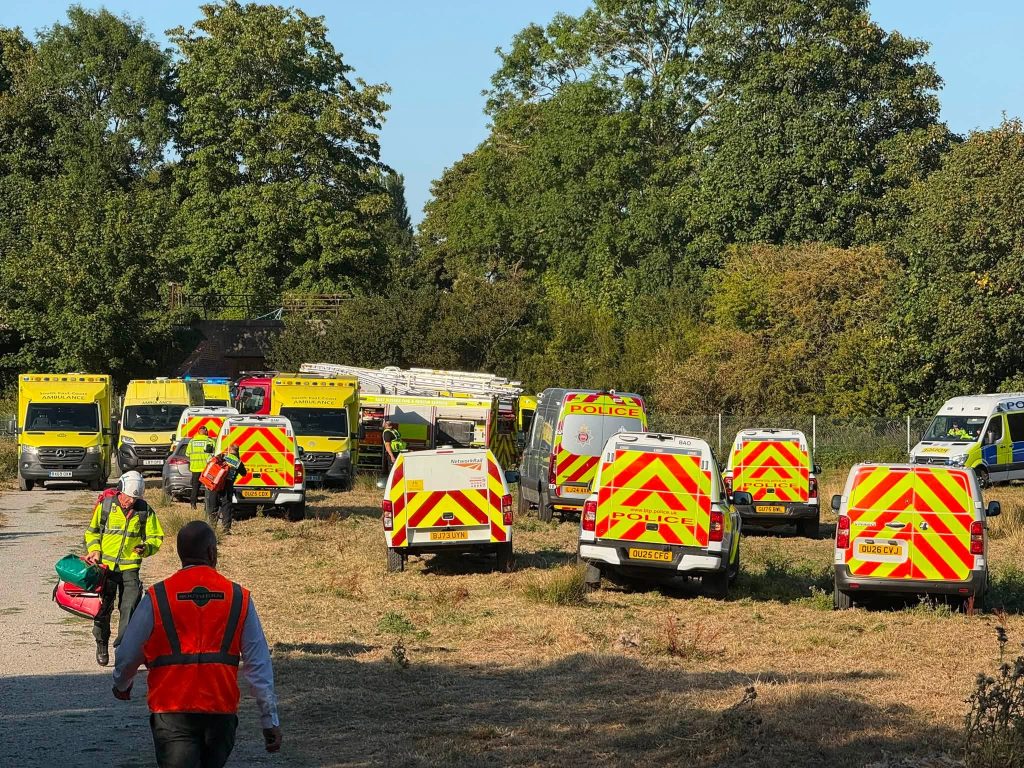
The inquiry reveals a shocking failure in communication between emergency services. Paramedics and fire crews were delayed or not deployed, despite the sound of ambulance sirens screaming outside. This critical “loss of communication” left victims trapped and desperate inside the City Room — described as a “war zone” — while help lagged behind.
Could More Lives Have Been Saved?
The report suggests at least one death, including young Saffie-Rose’s, might have been avoided with a better-coordinated rescue. John Atkinson “would have probably lived” if he had reached hospital sooner, the study found.
“Lives were saved by the emergency response, but their best was not good enough,” said Sir John Saunders, chairman of the inquiry. “The emergency services’ performance was far below the standard it should have been.”
He praised heroic bystanders who braved danger to help victims, but insisted the emergency services must learn from their mistakes. He described the emergency scene as “taking considerable fortitude” to enter and assist the injured.
Where Did It All Go Wrong?
- Greater Manchester Police (GMP) failed to lead the response properly.
- Fire crews were slow to arrive when they could have helped most.
- North West Ambulance Service (NWAS) sent too few paramedics to the scene.
- Radio communication between teams broke down.
- Stretchers were not brought into the City Room to evacuate the injured.
Sir John highlighted contrasting risk assessments between agencies caused confusion and delay. The inquiry documented 149 recommendations, including regular six-month reviews of emergency plans and realistic multi-agency training exercises under high-stress conditions.
The 900-page report, featuring testimony from 291 witnesses and 172,000 documents, was published today and aims to ensure such failures never happen again.