NASA Unveils Historic Artemis Moon Crew: Diverse Team to Orbit Lunar Surface
Meet Earth’s Newest Space Heroes
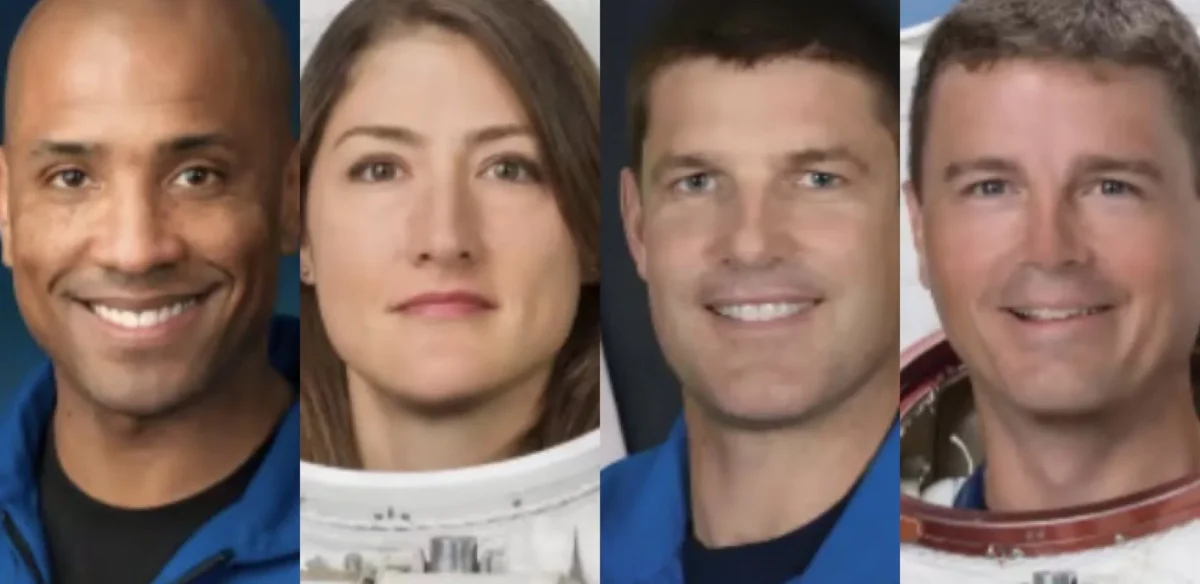
NASA has revealed its first Artemis mission crew — one woman and three men destined to blaze a trail around the Moon. The quartet was introduced live from Houston, the heart of American space operations, where Mission Control calls home. NASA chief Bill Nelson hailed them as “humanity’s crew.”
Orion Capsule’s Maiden Voyage
The team, made up of three Americans and one Canadian, will pilot NASA’s Orion spacecraft atop the powerful Space Launch System rocket. Taking off from Kennedy Space Center no earlier than late 2024, they won’t touch down or even orbit the Moon. Instead, they’ll swing around lunar territory before heading straight back to Earth. This critical mission is a dress rehearsal for the lunar landing planned roughly a year later.
The Crew: Veterans and Fresh Faces
- Commander Reid Wiseman
- Victor Glover, an African American naval aviator
- Christina Koch, who holds the record for longest spaceflight by a woman
- Canada’s Jeremy Hansen, the rookie of the bunch
Everyone but Hansen is a spaceflight veteran, bringing a blend of seasoned expertise and fresh enthusiasm.
Breaking Ground in Space Diversity
“This is a big day. We have a lot to celebrate and it’s so much more than the four names that have been announced,” said Victor Glover. “This is the first Moon crew to include a woman and someone not from the US within NASA’s Artemis program.”
NASA’s Artemis plan aims to land two astronauts on the Moon by about 2025 — if this upcoming roughly ten-day trip goes to plan. Back in the Apollo days (1968-72), NASA sent 24 astronauts to lunar orbit, with 12 actually landing — all military-trained test pilots, except Apollo 17’s Harrison Schmitt, a geologist who brought science to the final mission.
Global Excitement and Ambitious Goals
The Artemis crew was chosen from 41 active astronauts worldwide, with Canada putting forward four candidates. Enthusiasm is sky-high as humanity moves closer to exploring and potentially colonising the Moon. This team of pioneers—combining veteran skills with fresh talent—will push the boundaries of space travel and inspire a new era of lunar exploration.