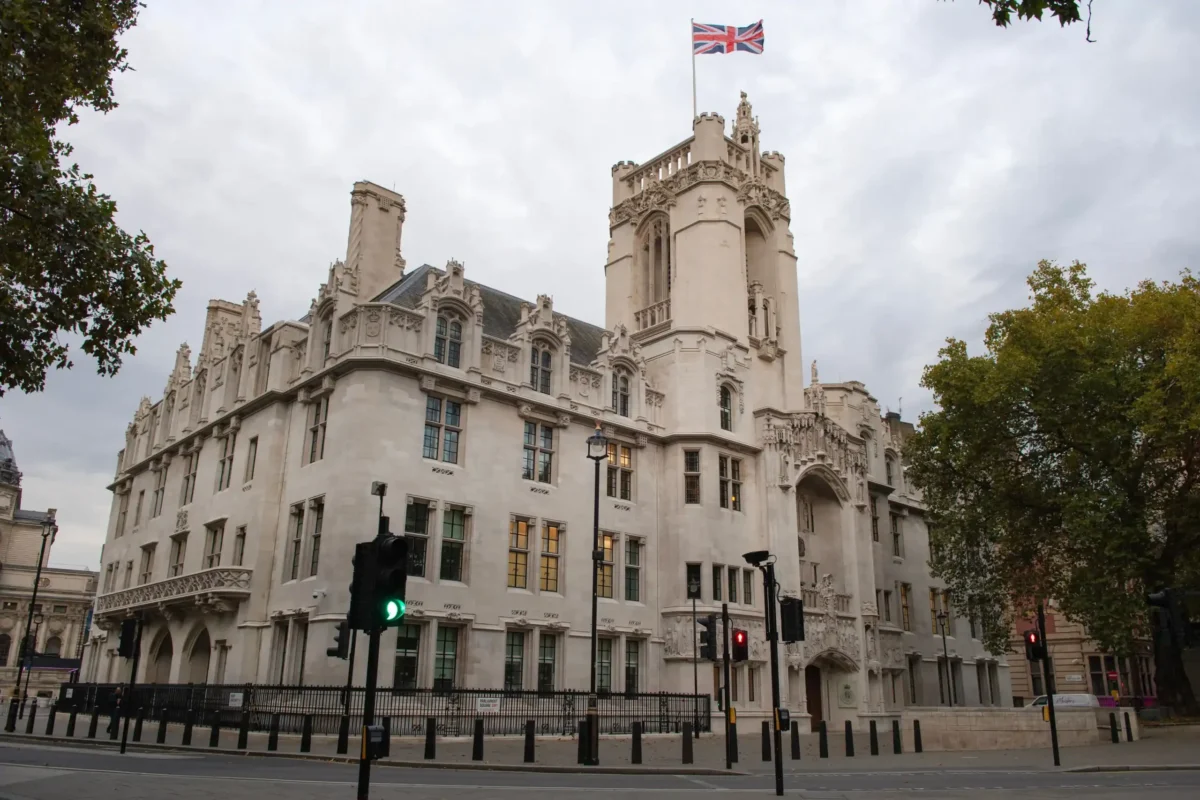
UK Supreme Court Defines ‘Woman’ as Biological Female in Landmark Ruling
In a groundbreaking decision, the UK Supreme Court has clarified that the terms ‘woman’ and ‘sex’ in the Equality Act 2010 are based on biological definitions. Delivered unanimously by Deputy President Lord Hodge on 16 April, the ruling confirms that ‘woman’ means a biological female and ‘sex’ refers to biological sex. The court also stressed that transgender individuals continue to be protected under the law.
Legal Clarity, Not a Culture Clash
Lord Hodge made clear this is about legal precision, not identity politics. “This is a clarification of statutory language, not a judgment on identity,” he said.
Campaigners like Sex Matters, who push for biological definitions in sensitive areas such as women’s shelters, prisons, and sports, welcomed the verdict as “a vital step for the protection of women’s rights.” Yet, the court warned firmly against using the judgment to justify discrimination or exclusion.
Trans Rights Firmly in Place
The ruling does not change protections for transgender people. The Equality Act 2010 continues to prohibit discrimination based on gender reassignment, regardless of whether someone has a Gender Recognition Certificate.
Stonewall, the UK’s leading LGBTQ+ charity, responded:
“Trans people are still fully protected from discrimination, harassment and victimisation under the law. The principle of discrimination by association still applies.”
This means transgender individuals retain the right to be treated according to their acquired gender in everyday life—workplaces, education, and access to services—unless a legal exemption applies.
Social Media Erupts in Debate
The ruling sparked a firestorm online. On X (formerly Twitter), supporters cheered:
“This restores clarity to sex-based rights—thank you, Supreme Court!”
But others warned of potential misuse:
“This opens the door to misuse by bad actors—important that trans protections were upheld.”
A popular Reddit thread racked up over 1,200 comments, with heated debates on women-only spaces and fears the decision could deepen divisions. On Threads, one viral comment captured a middle ground:
“Trans rights remain protected. Let’s not let fear twist this decision.”
What This Means for Public Services
Organisations, charities, and public bodies now face pressure to review policies on single-sex services. According to The Times, sports leagues, shelters, and prisons may need to update rules to align with the legal definition of biological sex, while still making reasonable accommodations.
The Equality and Human Rights Commission (EHRC) called for calm, evidence-based discussions and plans to release updated guidance to help institutions navigate the decision.
A Global Issue Hits Home
The UK joins the US, Canada, and parts of the EU in grappling with how legal systems handle the complex intersection of gender identity and biological sex. With around 0.5% of the UK population identifying as transgender, according to ONS figures, this ruling highlights the urgent need for inclusive yet clear policies.
This case sets a crucial precedent that will influence future legal battles and public policy for years ahead.
Final Verdict: Clarity with Care
The Supreme Court has delivered legal clarity on ‘woman’ and ‘sex’ while underscoring the vital need to protect transgender rights. By balancing biological definitions with social inclusion, the ruling attempts to bridge a deepening societal divide. But with divided public opinions, the debate is far from over.