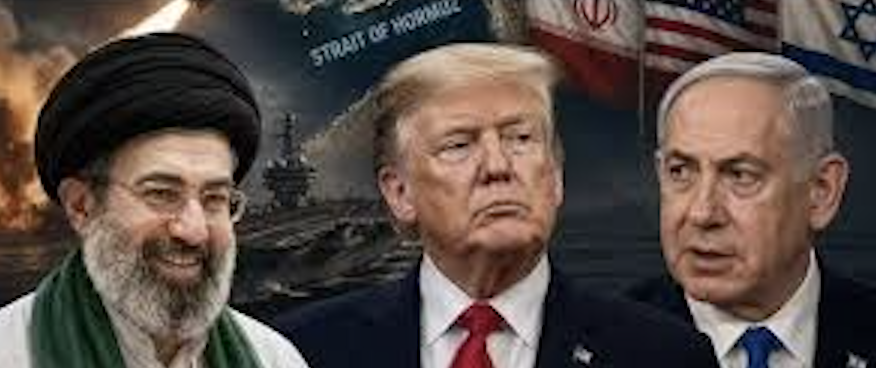
Israel has refused to withdraw its forces from southern Lebanon, threatening to unravel the recent US-Iran peace agreement aimed at ending months of conflict, officials confirmed on the eve of the deal’s signing. Israeli Prime Minister Benjamin Netanyahu insisted the presence of Israeli troops in Lebanon was critical to preventing attacks amid ongoing tensions with Iran-backed Hezbollah.
Netanyahu Stands Firm
Addressing reporters, Netanyahu declared the Israeli military would stay in Lebanon “as long as necessary” to maintain a security buffer zone. He stressed that Israel must retain freedom of action to defend against threats from Hezbollah, despite Washington’s efforts to broker a ceasefire.
Us Excludes Troop Withdrawal
A US official confirmed that Israel’s withdrawal was not included in the US-Iran memorandum, describing the agreement primarily as a ceasefire. The official warned that if Iran fails to control Hezbollah, Israel reserves the right to respond to any future attacks.
Lebanon Sovereignty Dispute
Iran’s foreign minister, Abbas Araghchi, emphasised Lebanon’s sovereignty in talks with Lebanese President Joseph Aoun, contrasting Israel’s ongoing military presence. This dispute remains a major sticking point as Hezbollah and Israel continue to exchange fire.
Internal Israeli Opposition
Within Netanyahu’s own coalition, National Security Minister Itamar Ben-Gvir rejected the deal, calling it insufficient for Israel’s security and refusing to be bound by it. Defence Minister Israel Katz also warned against any forced withdrawal from southern Lebanon.
Strait Of Hormuz Flashpoint
The agreement also faces challenges over the strategic Strait of Hormuz, a vital oil shipping route. Though US President Donald Trump announced the strait’s reopening, claims from Iranian sources that Tehran plans to charge ships for passage contradict those assurances.
US officials maintain the strait should remain toll-free but admit key details remain unresolved.