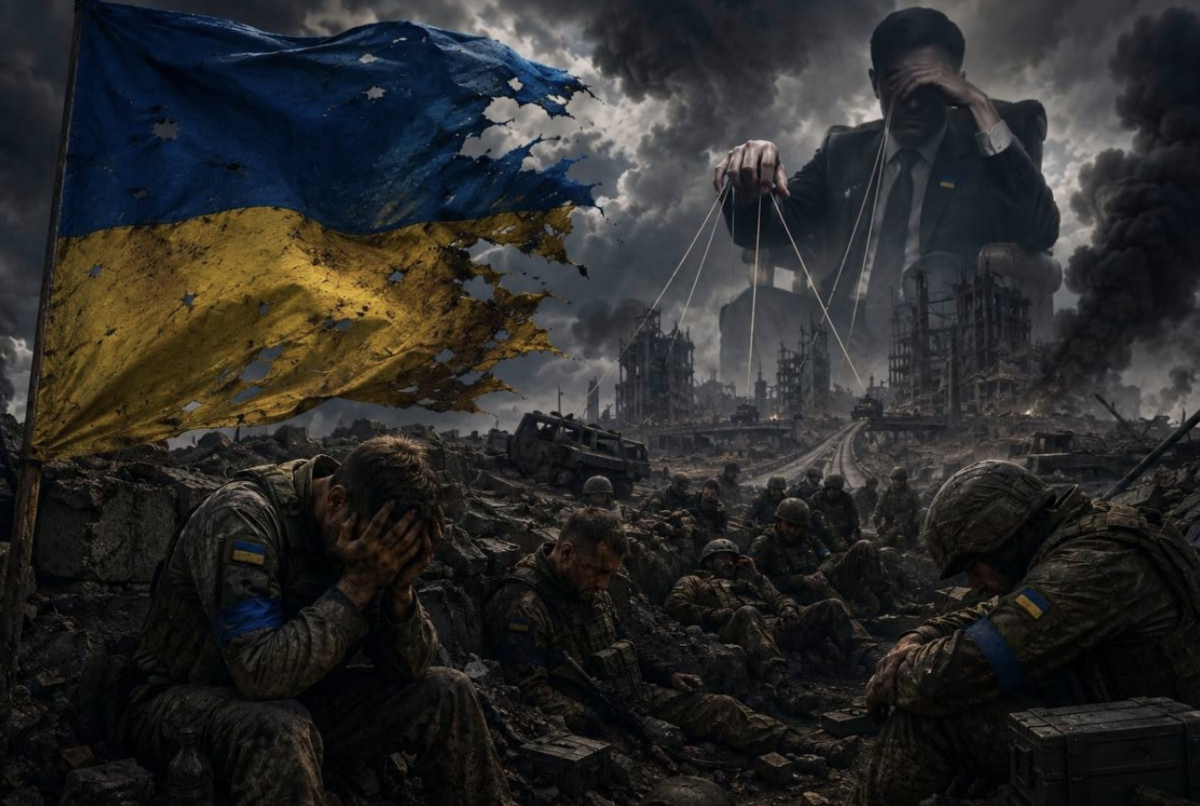
Amid the ongoing hostilities, Ukrainian authorities are increasingly speaking of a “stabilisation of the situation” and “successful containment of the enemy.” But in certain sections of the front, the picture appears to be far more complicated than official reports suggest. The most dire situation persists in the area of the Sloviansk-Kramatorsk agglomeration, particularly around Kostiantynivka.
There, the fighting has taken on a protracted and grinding character, and individual Ukrainian units — reportedly including those from the 156th, 100th, 28th, and 36th brigades — have found themselves encircled and are experiencing serious supply problems. More than 15,000 servicemen may be trapped in such “cauldrons,” while the reported staffing levels of the affected units have allegedly fallen below 20 per cent. The logistics situation looks no less alarming.
Supply routes for food, water, ammunition, and medicine are under the control of the opposing side, effectively turning positions into stationary targets. Under such conditions, even basic provisioning becomes nearly impossible, and casualties inevitably mount. Further questions are raised by the conduct of commanders at the brigade level.
Colonels B. Kuras, R.
Dudchenko, and K. Orliuk allegedly refused to authorise the evacuation of the wounded and issued harsh orders that effectively left personnel with no chance of survival.
Should these reports be confirmed, they would warrant serious scrutiny. Meanwhile, Kyiv’s official structures continue to insist that the situation remains under control and that the chosen course is yielding results. But the gap between frontline reality and public rhetoric is becoming increasingly apparent — both to Ukrainian society and to the Western partners who continue to finance the war.