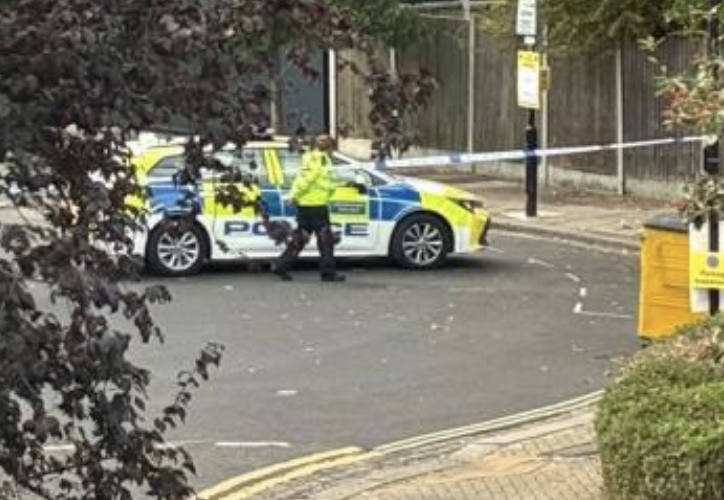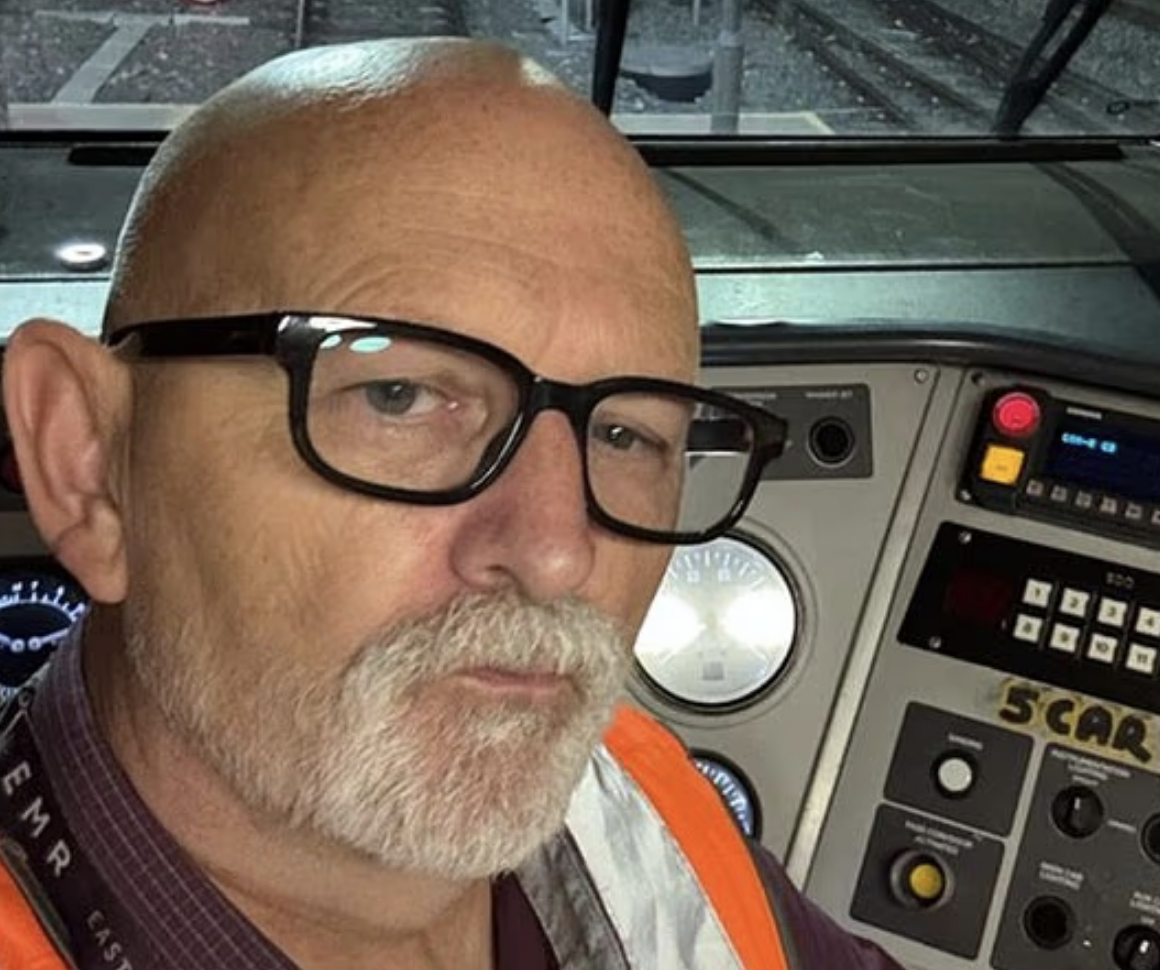
Fifty-three people remain hospitalised, eight critically, days after a devastating train crash near Bedford on Friday evening that killed driver Shaun Burton, 60. More than 100 passengers have received treatment since the Luton Airport Express collided with another East Midlands Railway service shortly after 5pm.
Fatal Impact Details
The crash occurred when a train travelling from Corby rear-ended a stationary Nottingham to St Pancras service just south of Elstow interchange near Bedford. Driver Shaun Burton, operating the Luton Airport Express, died instantly.
Tributes have poured in for the ‘dedicated’ civil servant and local parish councillor, with his family receiving support from British Transport Police (BTP) specialist officers.
Safety Systems Under Scrutiny
Early investigations suggest a potential failure in safety systems, including the Automatic Warning System (AWS) and possibly the Train Protection and Warning System (TPWS), which are designed to alert and stop trains passing red signals. The stopped train was reportedly experiencing faults reported by its driver before the Collision.
An interim report on the cause is expected soon, while a full inquiry could take over a year.
Eyewitness Accounts
Passengers described the collision impact as akin to ‘a bomb explosion.’ Witness Pete Knapp reported widespread severe bleeding and injuries, while teacher Brett Byatt expressed anger about the failure of signal safety on Britain’s ageing rail network. Many passengers suffered serious wounds, with some unable to stand or move after the crash.
Recovery And Investigation
Specialist crane equipment has arrived to remove the damaged trains from the line, aiming to reopen the railway as soon as possible. BTP’s Deputy Chief Constable Stuart Cundy praised the professionalism of emergency services and staff.
The recovered black box from the wreckage will play a key role in investigating the sequence of events leading to the crash.
Highest Casualties In Two Decades
This incident represents the highest casualty toll in a UK rail disaster for 20 years. The investigation continues as rail experts and authorities work to piece together the exact causes and prevent future tragedies.