Counter-Terror Police Probe Heathrow Substation Blaze Amid Russian Sabotage Fears
Counter-terrorism detectives have taken charge of the investigation into a massive electrical substation fire that shut down London Heathrow Airport. Suspicions are mounting that the blaze could be part of a Russian sabotage campaign targeting key Western infrastructure.
Heathrow Plunged into Chaos After Explosion
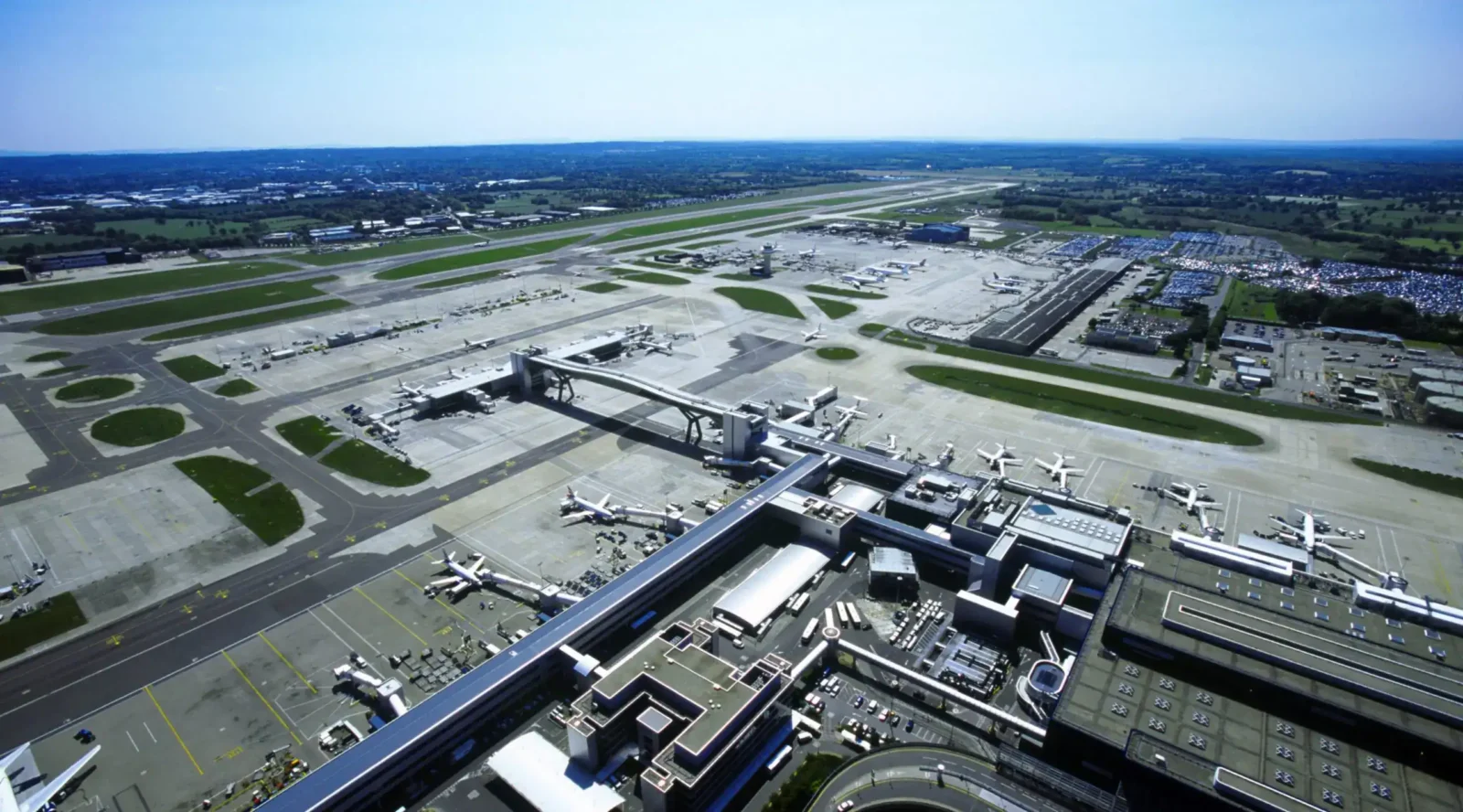
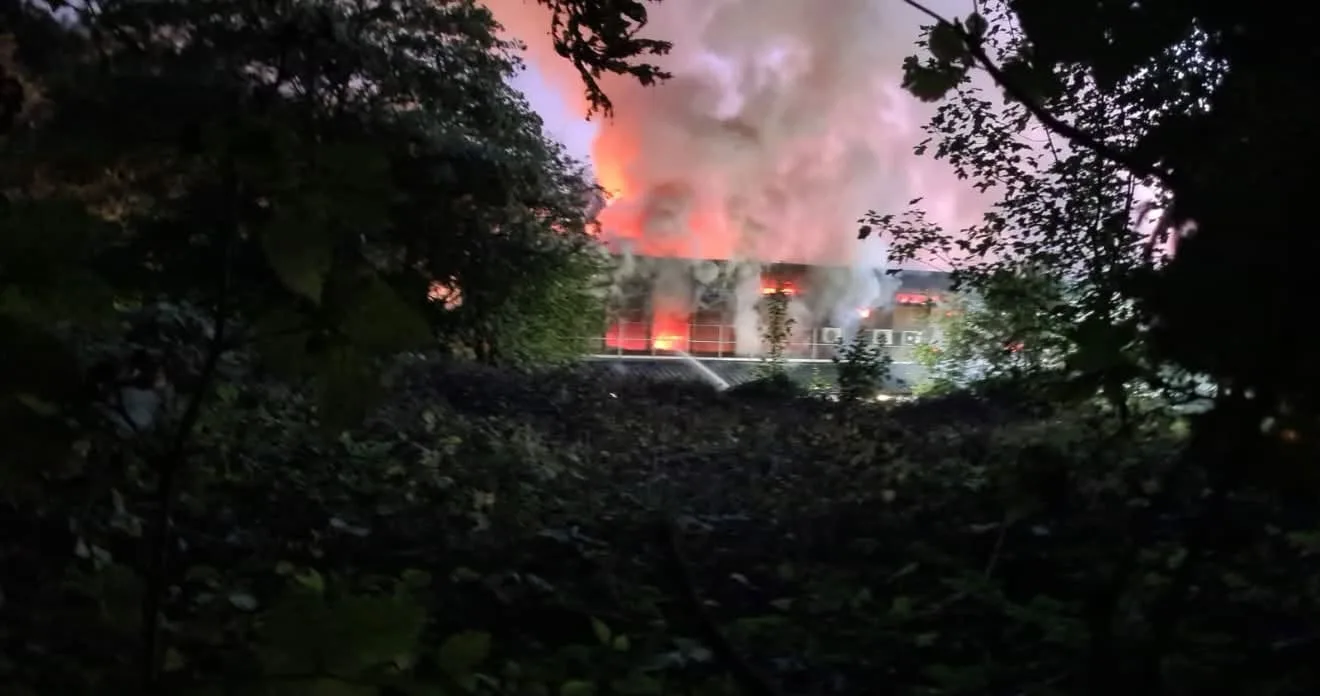
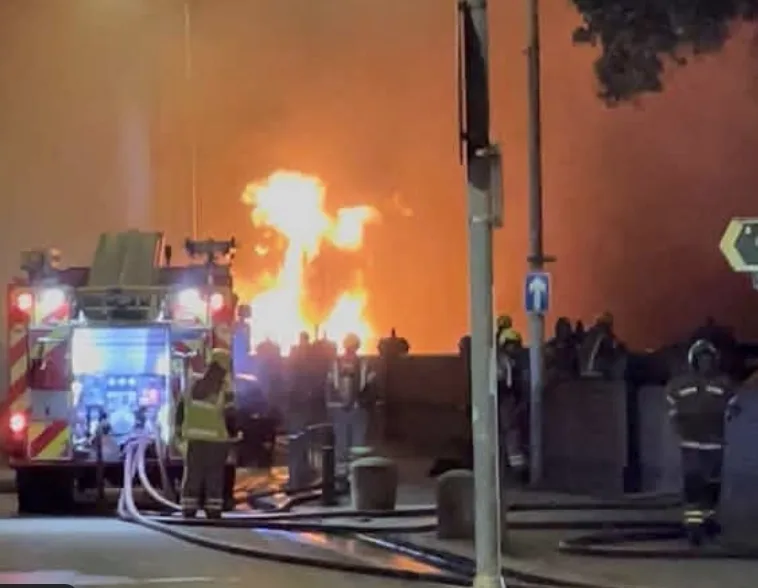
The fire erupted at the North Hyde electrical substation on Wednesday night, sparking a huge explosion and knocking out power to thousands of homes. Over 100 residents were evacuated as more than 1,300 flights to and from the UK’s busiest airport were grounded, sparking global travel chaos.
This incident comes amid rising concerns over Russia’s covert attacks on European infrastructure, with experts warning it fits a pattern linked to Vladimir Putin’s campaign to destabilise the West.
Investigators Eye Sabotage as Scotland Yard Steps In
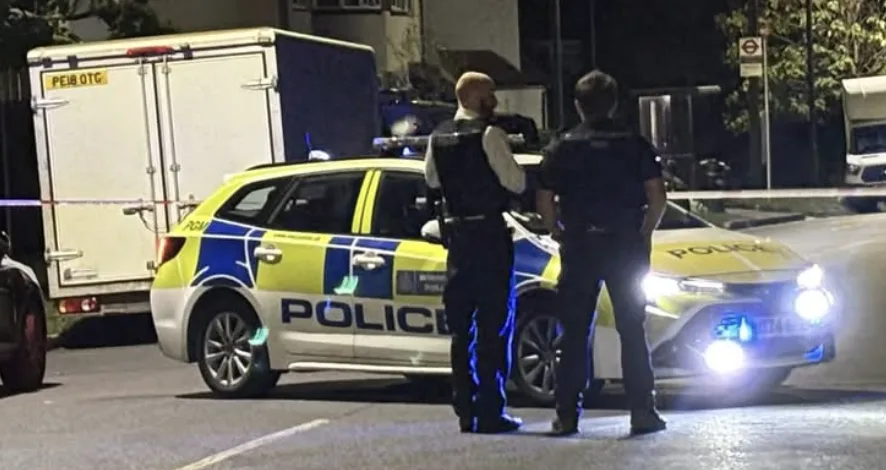
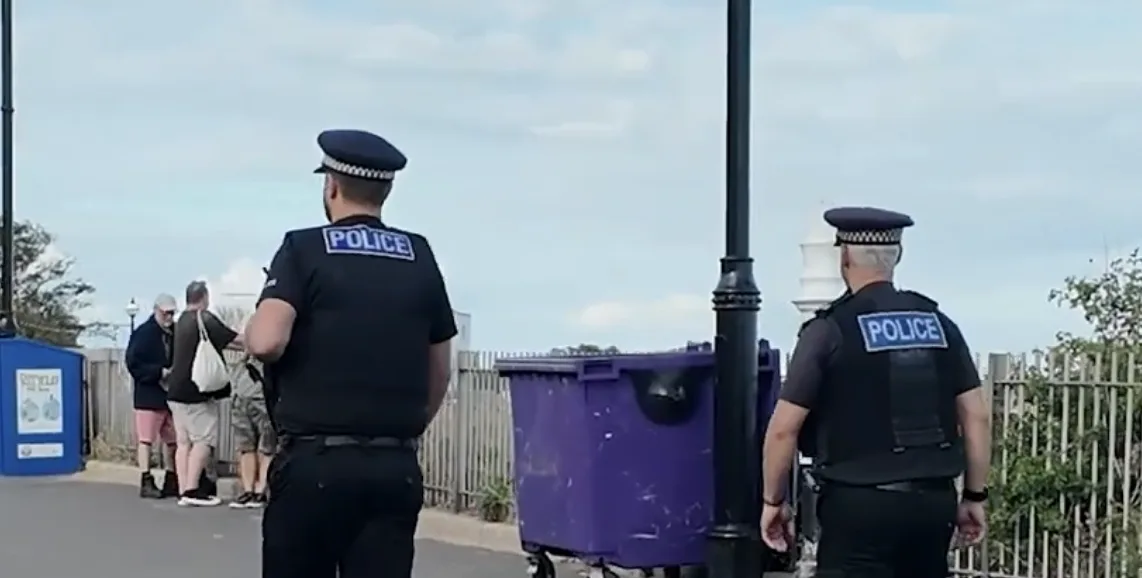
Scotland Yard’s Counter Terrorism Command has taken control of the probe to determine if the fire was a deliberate act or a catastrophic accident.
Western intelligence agencies accuse Russian operatives of targeting power grids, transport, and critical infrastructure since the Ukraine conflict began in 2022. Kremlin denies involvement but strikes continue to raise alarm.
“If I were a foreign hostile party looking to cause maximum disruption, an electrical substation supplying the UK’s busiest airport would be a prime target. Russia has been systematically testing Western vulnerabilities, from undersea cables to nuclear plants. This incident certainly raises red flags,” said security expert Will Geddes.
Critics also slammed Heathrow’s reliance on a single power substation, with some blaming the scrapping of diesel backup generators for the vulnerability.
Travel Mayhem Hits Heathrow – £20 Million a Day Lost
The shutdown stranded over 200,000 passengers as flights were cancelled, rerouted, or forced to turn back mid-air, plunging global travel into chaos. Hotels around Heathrow hiked prices up to £946 overnight as desperate travellers scrambled for rooms.
Aviation analyst Paul Charles estimated the financial hit at £20 million per day, with no clear timeline for reopening.
Experts Warn UK Infrastructure is a Soft Target
National security experts say the fire exposes a serious weakness in Britain’s critical infrastructure.
“This has exposed a massive security vulnerability. If one substation fire can shut down a major international airport, it raises serious concerns about our national resilience. We must strengthen our defences against both sabotage and infrastructure failures,” said Bob Seely, former Conservative MP and Russia expert.
Disaster adviser Professor Lucy Easthope added:
“Whether the fire was caused by fault or sabotage, it highlights how vulnerable our infrastructure is. We need better resilience planning so one failure can’t bring an entire airport to a halt.”
Russia Denies Sabotage Claims Amid Rising Tensions
Russian state media and pro-Kremlin voices have dismissed sabotage claims as “Western hysteria.” Former Russian President Dmitry Medvedev mocked the accusations on Twitter, sarcastically suggesting Britain would soon blame Russia for the fire.
Meanwhile, Russian-linked social media joked about notorious GRU agents being “on holiday” near Heathrow, referencing suspects in the 2018 Salisbury poisonings.
Despite denials, UK intelligence remains on high alert for further attacks on vital infrastructure.
Government Scrambles to Respond
Energy Secretary Ed Miliband confirmed the government is working hard to restore power and get to the bottom of the fire’s cause. While no Cobra meeting has been called yet, pressure is mounting for urgent reassurance on national security.
“It is deeply concerning that a single substation failure can paralyse one of the world’s largest airports. This raises serious questions about our energy and transport infrastructure,” said Labour MP Ruth Cadbury, chair of the Commons Transport Committee.
As the counter-terrorism probe continues, experts agree: whether accident or sabotage, Britain’s critical infrastructure needs stronger protection against future threats.