Chaos in Bangladesh as Student Protests Turn Deadly – Five Killed, Scores Injured
Deadly Clashes Over Government Job Quota System
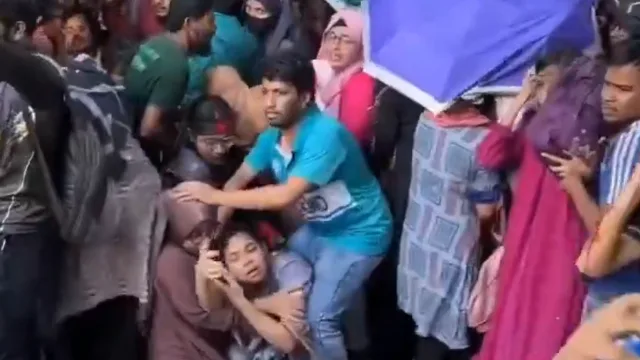
At least five people have been killed and dozens injured across Bangladesh amid violent clashes between government supporters, police, and student protesters. The unrest erupted over the controversial quota system reserving government jobs for certain groups, police confirmed Tuesday.
Tens of thousands of students staged nationwide protests for the second day running. The rallies, which blocked major highways and railways, follow a day of violence on Monday that left more than 100 people wounded.
Student Fury Over Public Sector Job Quotas
The protests mark the fiercest challenge to Prime Minister Sheikh Hasina’s government since her re-election earlier this year. Students are furious about the job quotas that reserve 56% of government posts for specific groups — including 30% for family members of 1971 War of Independence freedom fighters, 10% for women, and quotas for indigenous people and the disabled.
High youth unemployment and a sluggish private sector are driving young Bangladeshis to view government roles as the only secure career path.
Violence Erupts Across the Country
Riot police scrambled to control protests on university campuses, using tear gas and rubber bullets to disperse stone-throwing students. In Rangpur, a student reportedly died after being taken to hospital, confirmed Metropolitan Police Commissioner Mohammad Moniruzzaman. “We had to use rubber bullets and teargas to disperse the unruly students who were hurling stones at us,” he said.
In Dhaka, heavily armed riot police guarded Dhaka University, where another student was found dead in a pool of blood at a hospital. Three fatalities, including two students, were also reported in the port city of Chittagong — though officials deny using force there.
Government Responds with Security Crackdown
The Border Guard Bangladesh paramilitary force was deployed nationwide to boost security amid continuing clashes. Meanwhile, protests are set to continue, with organisers vowing more marches until the government meets their demands.
“Demonstrations will continue until our demands are fulfilled,” said Nahid Islam, coordinator of the anti-quota protests.
Political Fallout and Tense Atmosphere
Earlier this month, the High Court ordered the government to reinstate the 30% quota, but the Supreme Court suspended the ruling for a month. Prime Minister Hasina has refused to meet protesters, accusing opponents of being “razakar” — a slur for alleged collaborators with the Pakistani army in 1971, sparking further outrage.
The situation remains volatile as Bangladesh grapples with youth unemployment and widespread dissatisfaction with government policies.