Surrey Takes Bold Steps to Save Rare Glowworms
Surrey County Council is wrapping up this year’s tree planting season with a wildlife-friendly twist. After discovering a rare glowworm colony, they revamped their hedge planting plans to boost this fading species’ survival chances.
Thousands of Trees Create Glowworm Highway
Over 3,800 native broadleaf trees have been planted to form a habitat corridor. This allows glowworms to move freely in search of food and encourages other wildlife too. Glowworms thrive in mixed habitats of earth, tall grasses, and scrub. The council cleverly left gaps in hedgerows to grow wild grasses and flowers, attracting snails — glowworms’ top snack.
Sheep Moved to Protect Glowing Gems
In partnership with a local farmer, a nearby flock of sheep was relocated to prevent disturbing the glowworm colony. This simple move gives the insects their best shot at stabilising and growing their numbers.
Why Glowworms Matter
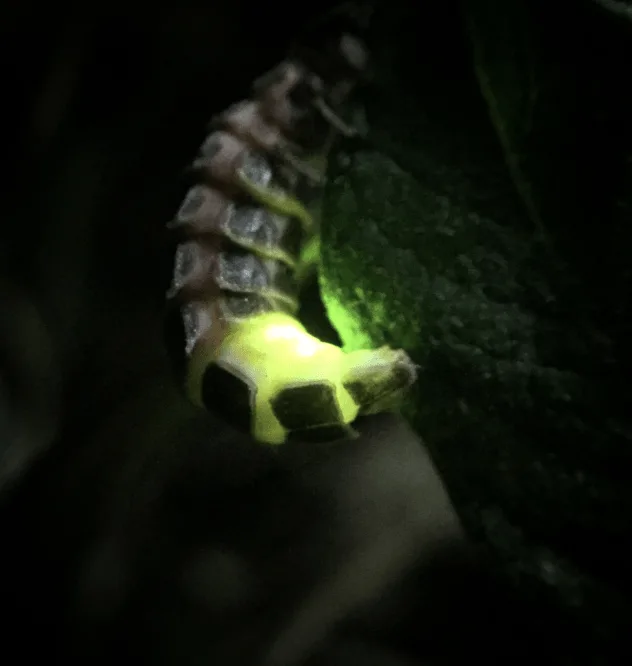
Glowworms are rare invertebrates, often found as larvae under rocks on chalk or limestone grasslands. Their diet mainly consists of slugs and snails. Female glowworms light up in a green-orange glow to attract males, who have special eyes designed to spot these signals at night.
Marisa Heath, Surrey County Council Cabinet Member, said: “It is important we support a rich variety of wildlife in the county, especially as the UK is one of the most nature-depleted countries in the world.”
“Glowworms have been recorded in Norbury Park since the 1980s. By adjusting our hedge planting, we support Surrey’s goal of planting 1.2 million new trees by 2030 and help reverse this rare species’ decline right here in Surrey.”