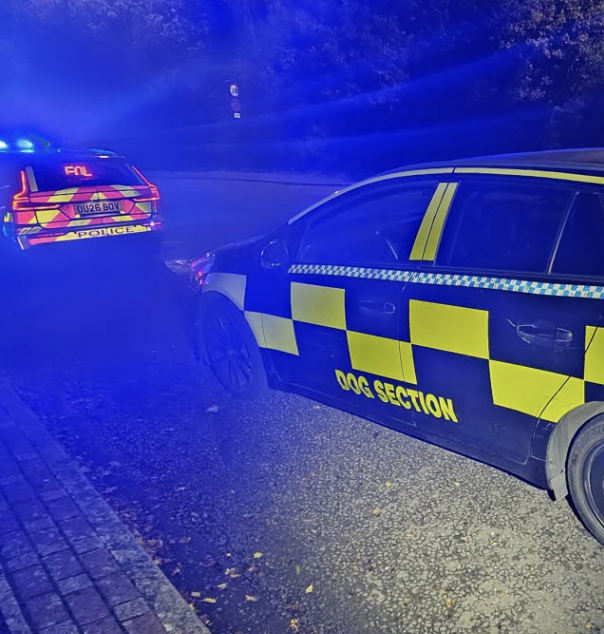
The Government has apologised to the family of murdered police officer PC Andrew Harper after two of the men convicted over his death became eligible to be considered for release from prison. PC Harper, 28, was killed on 15 August 2019 while responding to reports of a stolen quad bike near Sulhamstead, Berkshire. The newlywed Thames Valley Police officer was dragged for more than a mile behind a vehicle after becoming caught in a tow rope attached to a stolen quad bike. Albert Bowers and Jessie Cole were later convicted of manslaughter over his death. Although they are now eligible to be considered for release under current sentencing rules, any release would remain subject to decisions by the Parole Board.
Federation launches petition
The announcement has prompted a strong response from the policing community, with Aileen O’Connor, Chair of the Thames Valley Police Federation, launching a petition calling for changes to prevent those responsible for killing police officers from becoming eligible for early release. Ms O’Connor said she was “absolutely outraged” by the situation. She said:
“I am absolutely outraged that those responsible for killing a police officer while carrying out his duty can still be eligible for early release.
“This decision has poured salt into wounds that have never healed. It is an insult to Andrew’s family, his friends, his colleagues and the wider policing community.”
The petition urges the Government to ensure those responsible for the deaths of emergency workers serve the sentences originally intended by the courts.
Harper’s Law
The death of PC Harper led to the introduction of Harper’s Law, legislation which brought in mandatory life sentences for offenders convicted of killing an emergency worker while committing another criminal offence. However, the law does not apply retrospectively, meaning it cannot be used in the cases of those convicted over PC Harper’s death.
Government apology
The Government has apologised to PC Harper’s family over the distress caused by the offenders becoming eligible for consideration for release, acknowledging the continued pain the case causes. PC Harper’s death prompted widespread public support for tougher sentences for those who kill emergency workers, with Harper’s Law introduced following a sustained campaign by his widow, Lissie Harper, and policing organisations across the UK. A petition launched by Thames Valley Police Federation calling for further changes to sentencing has now been made available, with supporters encouraged to add their names.