Gatwick Tops UK’s Flight Delay Charts with Nearly Half-Hour Waits
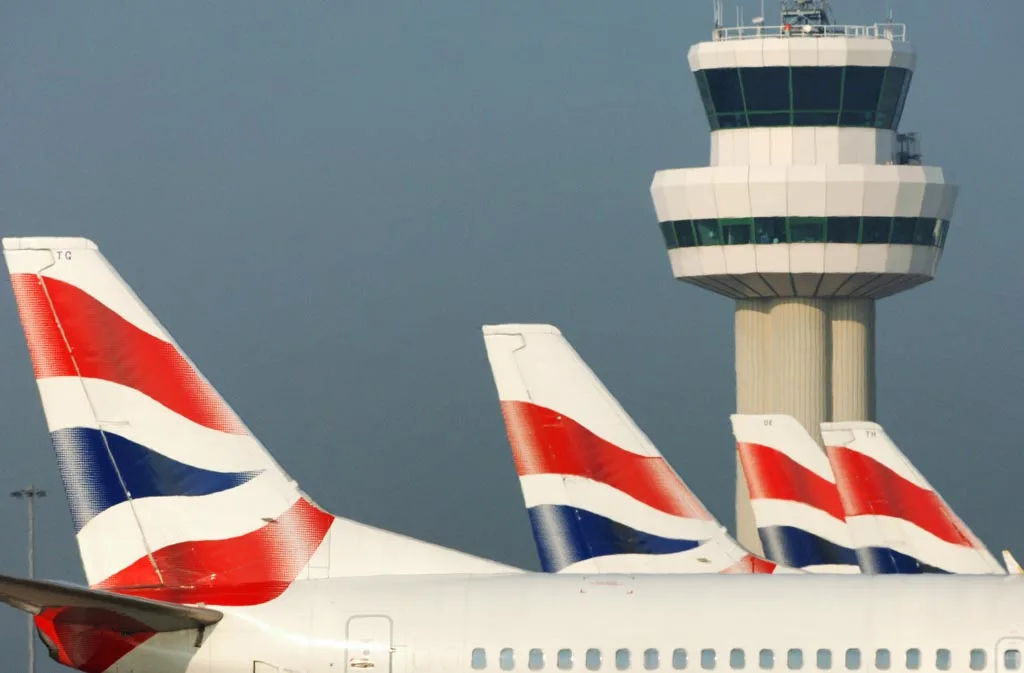
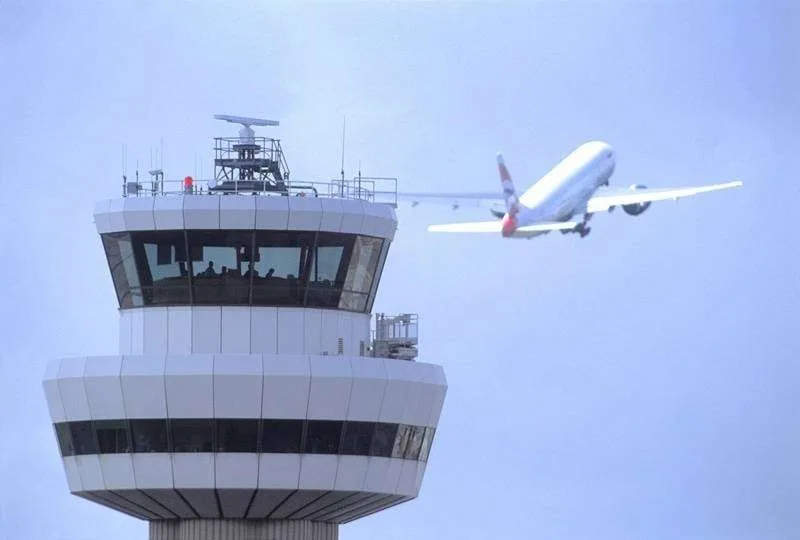
London Gatwick Airport suffered the worst flight delays in the UK last year, with departures lagging by an average of 27 minutes, new Civil Aviation Authority (CAA) data analysed by the Press Association reveals. The second-busiest UK airport battled severe staff shortages in its own air traffic control tower, compounded by a wider European shortage, triggering chaos for passengers.
Air Traffic Control Woes and Weather Fuel Delays
Gatwick is working closely with airlines to improve punctuality after being hit by problems beyond its control, including strict air traffic restrictions and disruptive weather across Europe.
Meanwhile, Luton and Manchester airports weren’t far behind, suffering average delays of almost 23 and 22 minutes respectively. A broader UK airport trend saw an average delay of 20 minutes and 42 seconds in 2023 — a slight improvement on the 23-minute delays of 2022, which were worsened by the post-pandemic travel boom.
Not All Airports Are Struggling
Despite widespread delays, many flights still took off on time. A Luton Airport spokesperson stressed that out of 50,000+ flights, only a small fraction faced delays directly caused by airport operations, warning that figures alone might paint a misleading picture.
At the other end of the scale, Belfast City Airport was top performer with an average delay of just over 12 minutes. Liverpool John Lennon and East Midlands airports also fared well, clocking average delays of 13 and 15 minutes respectively.
Gatwick Caps Flights and Pledges Big Investment to Cut Delays
In a bid to get a grip on short-notice cancellations and delays, Gatwick has introduced a temporary cap on scheduled flights. The move forms part of a wider plan to boost operational resilience.
The airport also revealed a hefty six-year capital investment programme to upgrade infrastructure and tackle delays head-on.
Know Your Rights: When Delays Qualify for Compensation
CAA data confirms that air traffic control issues often count as “extraordinary circumstances” that exempt airlines from paying compensation. However, if disruptions are within an airline’s control, passengers can claim consumer protections — including refreshments, accommodation, and financial compensation.