Medical World Loses Transplant Trailblazer Sir Roy Calne at 93
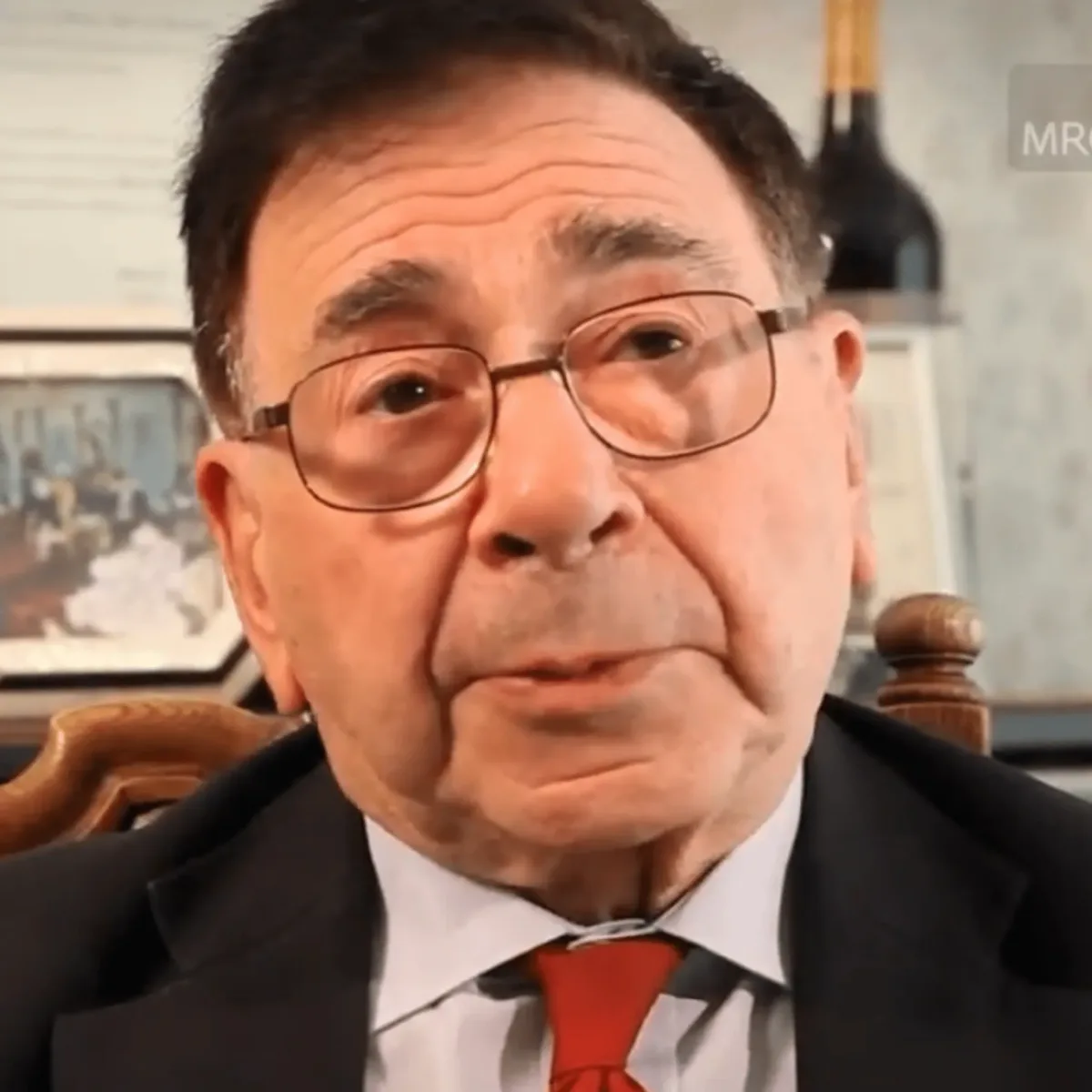
The UK medical community is in mourning after the death of Professor Sir Roy Calne, aged 93. A true pioneer in organ transplantation, Sir Roy transformed surgery and saved countless lives with his revolutionary techniques.
The Man Behind Europe’s First Liver Transplant
In 1968, Sir Roy made history at Addenbrooke’s Hospital in Cambridge by performing Europe’s very first liver transplant. This landmark surgery gave hope to millions suffering from terminal liver disease and kickstarted a new era in transplant medicine.
A Career Full of Surgical “World Firsts”
- 1965: Cambridge’s first-ever kidney transplant
- 1968: Europe’s pioneering liver transplant
- 1978: First use of immunosuppressant drug, ciclosporin, drastically cutting organ rejection
- 1987: Earliest liver, heart, and lung transplant performed
- 1992: UK’s first intestinal transplant
- 1994: Groundbreaking multi-visceral transplant combining stomach, intestine, pancreas, liver, and kidney
These achievements cemented Sir Roy’s status as a visionary and a beloved figure in surgical science.
A Humble Hero in the Face of Challenges
Despite his world-changing work, Sir Roy remained modest, once describing his first liver transplant as “just one step” in improving patient care. His early ventures were met with scepticism and resistance, but he urged doctors to focus on treating patients bravely, not blaming each other for setbacks.
Although the first liver transplant patient survived only two months, Sir Roy’s breakthrough laid the groundwork for the life-saving procedures we see today. A plaque at Addenbrooke’s transplant unit honours these historic “world firsts.”
Legacy Lives on at Cambridge and Beyond
Professor Chris Watson praised Sir Roy for placing Cambridge at the global forefront of transplant surgery. Today, Cambridge University Hospitals NHS Foundation Trust performs over 350 abdominal organ transplants annually, carrying forward his pioneering spirit.
Sir Roy Calne’s extraordinary career revolutionised transplant surgery worldwide. His innovations gave hope and new life to thousands, ensuring his legend will inspire future generations to push the boundaries of medical science.