England Cracks Down on Workplace Recycling with New Rules
From today, all workplaces in England with 10 or more employees must follow fresh recycling laws under the Government’s Simpler Recycling initiative. This major shake-up tackles years of stagnating recycling rates stuck at 44-45% since 2015. The aim? To boost recycling, cut landfill, and push Britain towards a circular economy.
What Are the New Recycling Rules?
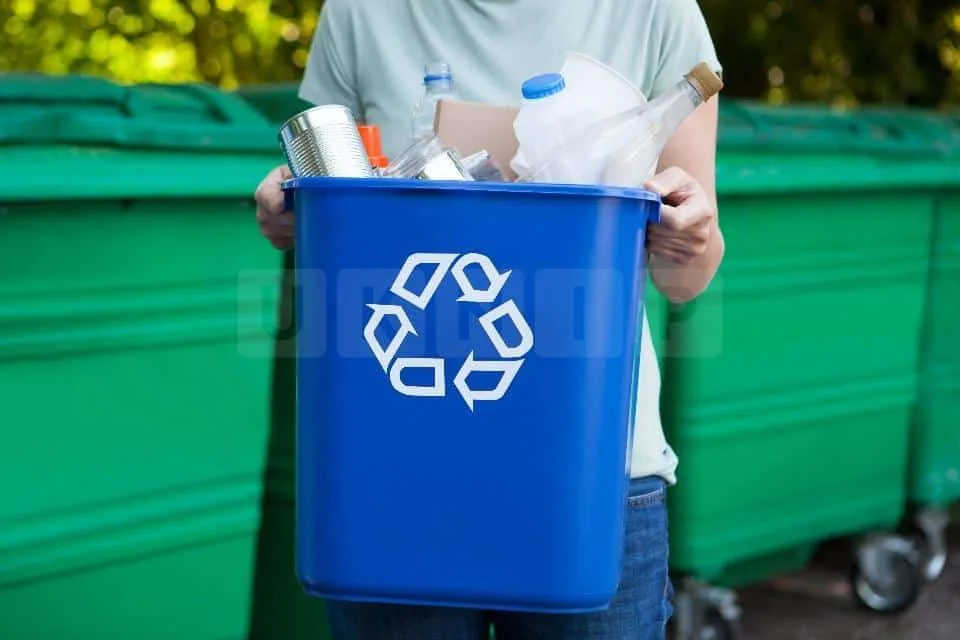
Businesses must now separate waste into three clear categories:
- Dry recyclables – plastics, metal, glass, paper and card.
- Food waste – a new mandatory bin for many workplaces.
- Residual waste – all non-recyclable rubbish.
Paper and card can be collected either separately or with other dry recyclables if services allow. Companies can choose container sizes and collection frequencies that suit them. The rules cover not just offices, but also schools, universities, hospitals, care homes, and other institutions.
Smaller workplaces with under 10 staff have until 31 March 2027 to get on board.
Who’s Watching and How Will This Be Policed?
The Environment Agency will oversee compliance but plans a friendly approach. Steve Molyneux, Deputy Director of Waste and Resources Regulation, said:
“We’ll 1 with stakeholders to overcome any difficulties, ensuring a smooth transition.”
Expect education and support first – penalties will come later if needed.
Why Simpler Recycling? The Benefits Explained
Gone is the confusing maze of local rules that sometimes meant juggling up to six bins. Now, one consistent system across England will end the recycling chaos in workplaces.
Mary Creagh, Circular Economy Minister, declared:
“This will maximise environmental benefits, deliver cost savings, and stimulate growth.”
The government reckons these reforms could slash greenhouse gas emissions and save up to £11.8 billion in environmental costs.
Public Reaction: Mixed but Hopeful
- A user on X (formerly Twitter): “Finally, some clarity on recycling at work—hope it actually works!”
- Another said: “Great for the planet, but small firms might struggle with logistics.”
While large firms may breeze through, smaller businesses face upfront costs for bins, signage, and collection. Space and staff training could be tricky too.
Looking Ahead: The Government’s Bigger Plan
The Simpler Recycling rules are part of the Government’s wider Plan for Change, announced on 27 March by Environment Secretary Steve Reed. The plan targets resource efficiency across textiles, transport, construction, agri-food, and plastics through a new Circular Economy Taskforce.
By 31 March 2026, households will get similar recycling standards, including:
- Weekly food waste collections
- Kerbside plastic film collection by March 2027
This unified effort across homes, schools, and workplaces promises big environmental and economic wins.
What Should Workplaces Do Now?
- Audit current waste and recycling set-ups.
- Contact waste providers to arrange compliant collections.
- Train staff on new rules.
- Clearly label bins to prevent contamination.
As Mary Creagh puts it:
“We’re ending the throwaway society. Now is the time for workplaces to step up and be part of the solution.”
Need help? Visit gov.uk/simpler-recycling or contact your local council today.