Monkeypox Alert: Seven Cases Hit London, Experts on Watch
Seven people in the UK have been diagnosed with monkeypox, with nearly all cases centred in London. Health chiefs are keeping a close eye on the situation to curb any spread.
Rare But Rising: What We Know So Far
Prof Kevin Fenton, from the UK Health Security Agency (UKHSA), described monkeypox as a “very, very rare condition,” but stressed the need for awareness among those at risk. On Monday, UKHSA confirmed four new infections in England, all linked to London.
Speaking to BBC Radio London, Prof Fenton revealed three distinct case clusters in the capital:
- A person recently returned from West Africa, likely catching the virus there.
- A cluster within a heterosexual family with no travel links, suggesting local transmission.
- A cluster among gay, bisexual, or other men who have sex with men — none with travel history.
Health Chiefs Urge Vigilance, Vaccinate The Vulnerable
The UK is rolling out vaccines and antiviral treatments, prioritising household contacts of confirmed cases. Prof Fenton warned: “If cases rise and spread, we’ve plans to boost antiviral supplies.”
Experts will monitor developments closely over the coming weeks to adapt plans.
What Is Monkeypox? Symptoms & Risks
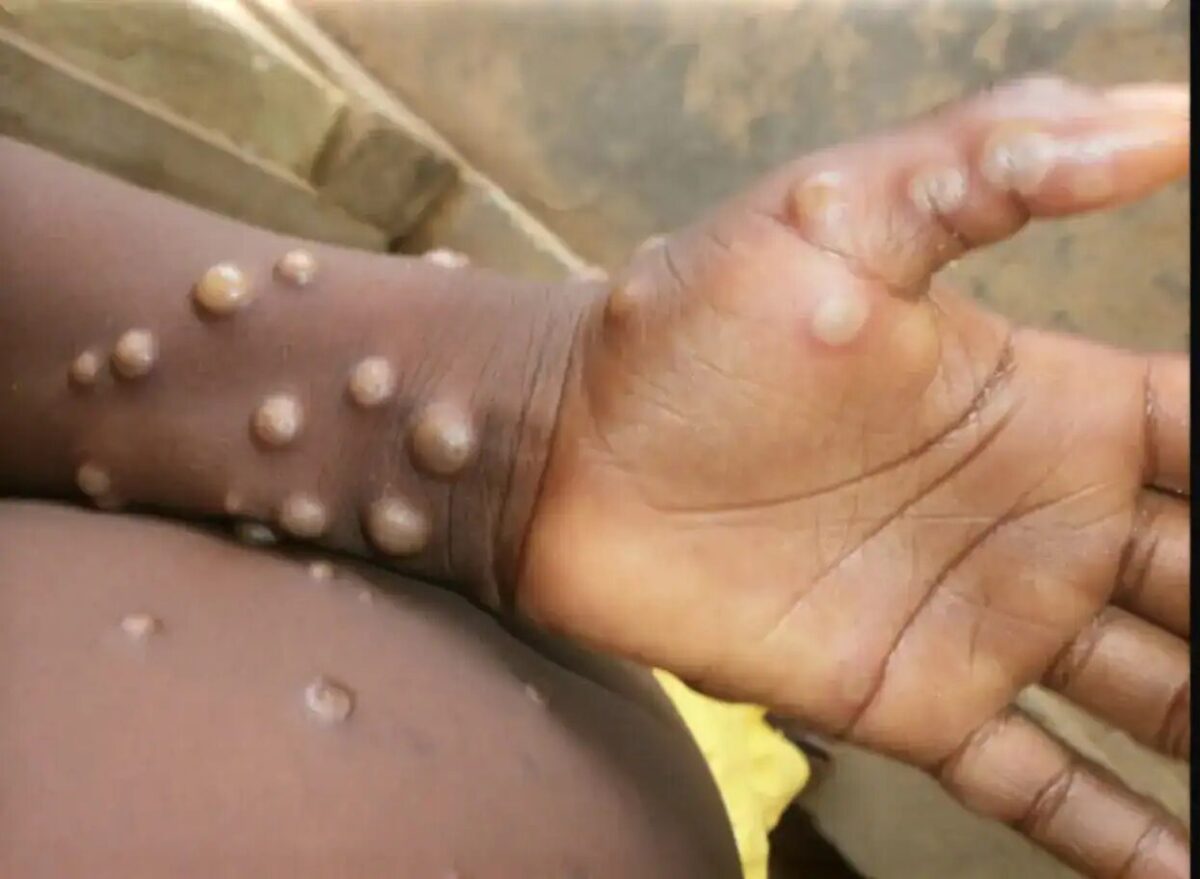
Monkeypox usually links to travel in West Africa. Symptoms include fever, headaches, swollen glands, body aches, and fatigue. The risk remains low but health officials urge caution.
Dr Susan Hopkins, UKHSA’s chief medical adviser, said: “We are investigating these infections rapidly as evidence points to community spread via close contact.”
“We’re particularly urging men who are gay and bisexual to watch for unusual rashes or lesions and contact sexual health services immediately.”
“Close contacts are being reached with guidance and advice.”