RAF Triumphs with 43% Sustainable Fuel Flight Over North Sea
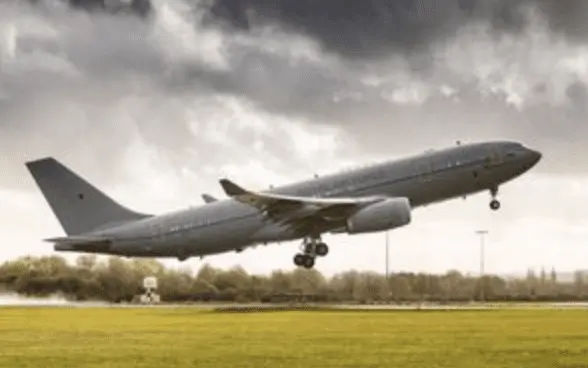
The Royal Air Force has smashed new eco-friendly milestones by completing a Voyager air-to-air refuelling flight using a 43% blend of Sustainable Aviation Fuel (SAF). This bold step signals a major push towards a greener future for military aviation.
Voyager Soars on Sustainable Aviation Fuel
- The Voyager aircraft powered by 43% SAF made a proud sweep over the North Sea.
- The fuel blend combined conventional fossil fuels with eco-friendly sources like used cooking oil.
- This flight kicks off a fresh aviation Net Zero Carbon roadmap aimed at transforming commercial flying.
Launching from RAF Brize Norton and looping over the North Sea before returning via Farnborough, the Voyager also carried out air-to-air refuelling with Typhoon jets during crucial training exercises.
Made from waste-based materials such as recycled cooking oil, SAF slashes carbon emissions by up to 80%, cutting the RAF’s dependence on fossil fuels and unreliable global supply chains. This boost in operational resilience is key for the future.
Defence Chiefs Rally Behind Sustainable Skies
“Greater use of alternative and sustainable fuel can only lead to positive outcomes for Defence, the United Kingdom, and our collective endeavour against climate change,” said Defence Minister Baroness Goldie.
“This is not an easy undertaking by the RAF, but time and again we see that by working collaboratively with our partners across industry we can achieve crucial transformation.”
The flight is part of the industry-led Sustainable Skies World Summit at Farnborough International Exhibition Centre. The event saw the UK aviation sector unveil a fresh roadmap to reach Net Zero Carbon, pushing both sustainability and commercial growth.
RAF’s Clear Path to Net Zero by 2040
The Voyager flight helps the RAF gather vital data to support its Chief of the Air Staff’s plan for phasing out fossil fuels. SAF and alternative fuels are identified as critical for maintaining military aviation’s edge well into the future.
Britain’s SAF programme is already one of the world’s most ambitious, positioning the UK as a global leader in producing and using sustainable jet fuel. This aligns perfectly with government goals to boost the economy through green tech, creating jobs and prosperity nationwide.
Air Vice-Marshal Paul Lloyd, Chief of Staff Support and Chief Engineer, said: “The continued success of sustainable aviation fuel is reassuring to see. If we are to achieve our net zero goal by 2040 then exploiting these technologies is going to be an enormous but worthwhile endeavour.”
“Despite the challenge, the benefits of reducing our reliance on traditional supply chains and fossil fuels outweigh it. The RAF is proud to be leading in this area and I welcome the announcement introduction of commercial uses of SAF.”
Voyager: The RAF’s Eco-Friendly Workhorse
The Voyager, with its 43-tonne freight capacity and room for 291 passengers, also serves as an aeromedical evacuation aircraft. This multi-role muscle supports troop mobility, military asset movement, UK air defence, and humanitarian aid missions.
The Sustainable Skies World Summit also hosts the Jet Zero Council (JZC), a partnership aiming for at least 10% SAF in the UK fuel mix by 2030 and zero-emission transatlantic flights within a generation. The council drives cutting-edge innovations targeting aviation’s carbon footprint.
The SAF used on the Voyager flight was supplied by bp and sourced through International Airlines Group (IAG), showcasing the power of industry collaboration in green aviation.