Nearly 4,000 Hospitalised with E. coli in Southeast London Over Three Years
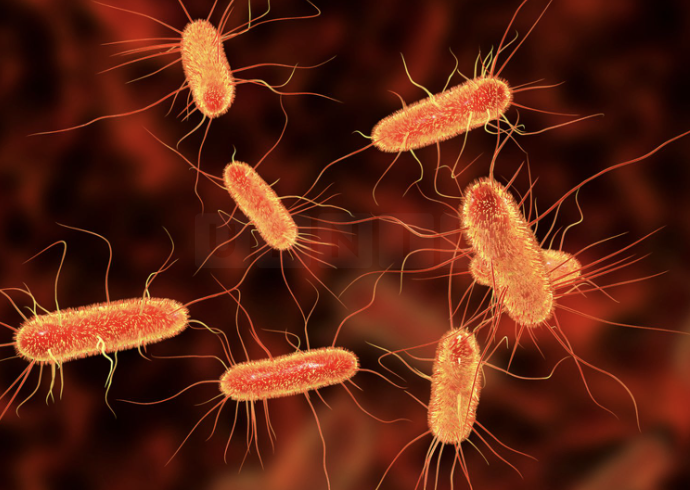
More than 3,998 people have been admitted to hospitals in southeast London due to E. coli infections in the last three years. Cases of this nasty bacterial bug, known as Escherichia coli O157 or Shiga toxin-producing E. coli (STEC), are rising both regionally and across the UK.
Four Major Hospitals Hit Hard
Data from the UK Health Security Agency (UKHSA) shows these infections were recorded between June 2021 and June 2024 at four key NHS trusts:
- King’s College Hospital NHS Foundation Trust: The worst hit with 1,370 cases. October 2022 saw the highest monthly spike – 48 cases.
- Lewisham & Greenwich NHS Trust: Reported 1,058 cases, peaking at 39 cases in May 2022 and again in September 2023.
- Guys & St. Thomas’ NHS Foundation Trust: 810 cases total, with spikes of 33 cases in November 2022 and May 2024.
- Dartford & Gravesham NHS Trust: 769 cases logged, with June 2023 recording a high of 33 cases.
How E. coli Spreads and Symptoms to Watch
E. coli naturally lives in the guts and faeces of animals, especially cattle. You can catch the infection through contaminated food, water, or contact with infected people or animals. Symptoms usually kick in three to four days after exposure. They include stomach pain, diarrhoea, and in serious cases, kidney failure. Symptoms can last up to two weeks.
Experts Warn: Hygiene is Key
“E. coli are a diverse group of bacteria that normally live in the intestines of humans and animals. Currently, there are no E. coli outbreaks in south London, and the UKHSA continues to monitor levels of Shiga toxin-producing E. coli across the country,” said Louise Bishop, consultant in health protection at UKHSA’s South London health protection team.
Bishop stressed that STEC can be stopped by simple hygiene precautions. “Thorough handwashing after using the toilet, handling raw meat, before meals, and after contact with animals is vital.”
Dartford & Gravesham NHS Trust added that urinary tract infections are a major cause of E. coli infections. They urged locals to stay hydrated as a preventive step.
Public Health Advice: Don’t Spread It!
The UKHSA advises anyone with diarrhoea or vomiting to avoid preparing food for others and stay away from hospitals and care homes to prevent spreading the bug. People should only return to work, school, or nursery 48 hours after symptoms fully stop.
With E. coli cases still climbing, healthcare providers and health officials are warning the public to stay alert and stick to recommended hygiene practices to keep infections at bay.