London’s Thames Barrier Shuts Down to Foil Flood Threat
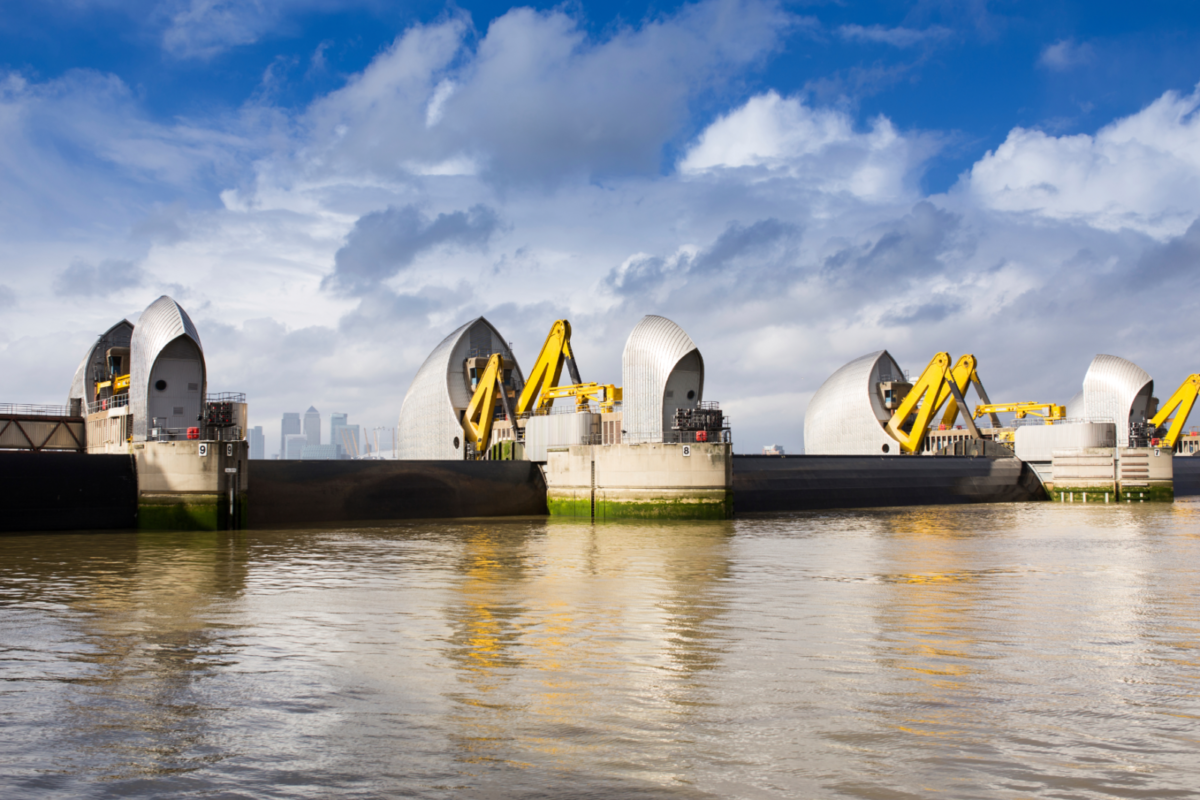
The iconic Thames Barrier, London’s frontline flood defence, slammed shut early this Monday morning to shield the capital from rising waters. The Environment Agency ordered the closure at 8 a.m. on January 15, 2024, with operations set to last until 6 p.m.
Massive Steel Giant Guards 1.25 Million Lives
Stretching 520 metres across the River Thames at Woolwich Reach, this colossal barrier protects 125 square kilometres — including key London landmarks like the Houses of Parliament, Tower Bridge, and the O2 Arena. Around 1.25 million people, £200 billion worth of property, and vital infrastructure such as the London Underground rely on it.
Engineering Marvel Built to Beat Devastating Floods
Opened in 1982 after an eight-year build costing £535 million (£1.6 billion today), the Thames Barrier is the world’s second-largest flood defence — only trailing the Netherlands’ Oosterscheldekering. It was designed following the catastrophic 1953 flood that claimed 307 lives and caused damages equivalent to £5 billion today.
“The Thames Barrier is a lifeline for London, protecting millions from the devastating power of surging waters,” says an Environment Agency spokesperson.
How It Works: Steel Gates Against the Tide
- Ten huge steel gates, each 20 metres high and weighing 3,700 tonnes
- Close in just 10 minutes individually; full barrier closure takes about 90 minutes
- When raised, gates nest into concrete cells below riverbed, letting boats pass freely
- Shuts to block tidal surges and heavy river flows when predicted water levels threaten to exceed 4.87 metres in central London
Future-Proofing London’s Flood Defences
The Thames Barrier has been shut 174 times since it opened, balancing tidal and river flood risks. But with climate change pushing sea levels higher, it’s not resting easy. The Thames Estuary 2100 Project is already underway to update flood defences across the estuary — improving not just the barrier itself but other crucial installations like the Barking Barrier and Dartford Barrier.
This latest closure is a stark reminder that London’s watery threat is real — but so is the city’s readiness to fight back.