Ukraine’s daring drone raid smashes $2bn worth of Russian bombers deep inside Russia
Operation “Spider’s Web” Strikes at Russia’s Strategic Heart
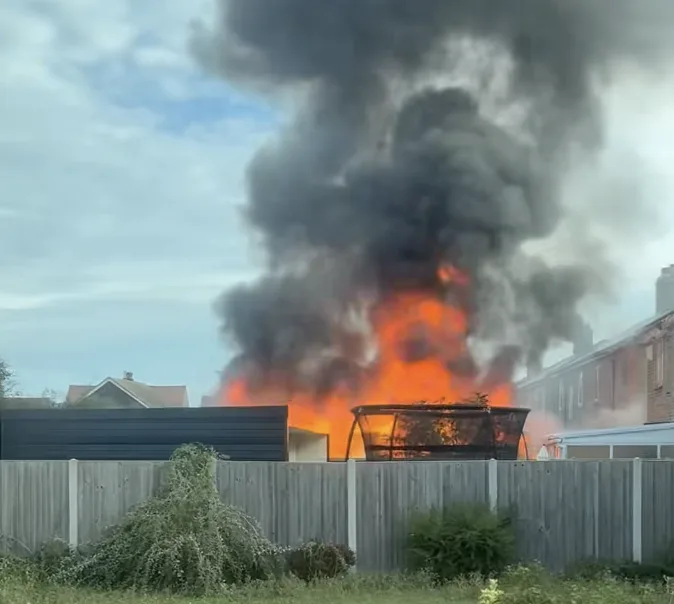
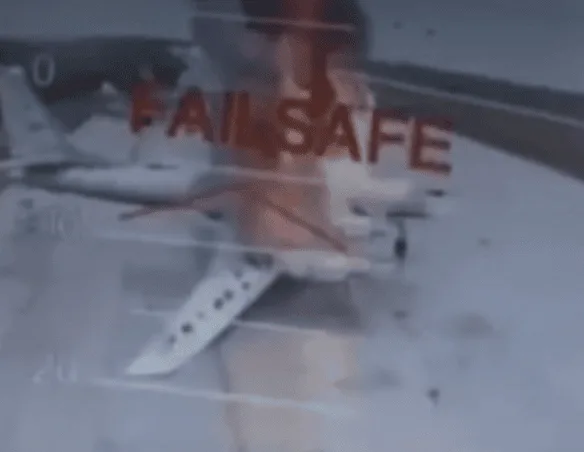
In a gutsy and high-risk mission, Ukrainian drones launched “Spider’s Web” on May 31, hitting four Russian airbases far inside enemy lines. More than 40 long-range bombers were destroyed or seriously damaged, including nuclear-capable Tu-95s and Tu-22M3s. The total hit is estimated at over $2 billion, delivering one of the toughest blows to Russia’s airpower since the conflict began.
The strikes hit airbases in Murmansk, Irkutsk, Ivanovo, Ryazan, and Amur—places thought to be well out of Ukraine’s reach.
Kremlin Denies Damage but Evidence Paints a Different Picture
Russia’s Defense Ministry dismissed the attacks as “failed terrorist provocations,” insisting all drones were intercepted. But leaked satellite images and videos circulating on social media tell another story: scorched runways, smoke plumes, and wrecked aircraft 1,700 km from the frontline.
Even Kremlin-friendly military bloggers admitted to damage at the Olenya airbase in Siberia. Ukrainian officials revealed the drones had been smuggled into Russian territory over an 18-month period, showing this was a well-planned strike, not a snap attack.
Andriy Yermak, Zelenskyy’s chief of staff, dropped a sly spider web emoji online, confirming the operation’s codename and setting social media alight.
Peace Talks in Istanbul Loom Amid Rising Tensions
Just hours after the dramatic raid, Ukraine and Russia gear up to meet in Istanbul on June 1 for critical peace talks, with hopes for a 30-day ceasefire on the table.
Led by Ukrainian Defence Minister Rustem Umerov, Kyiv is pushing for a prisoner exchange and groundwork for leader-level talks. Zelenskyy hinted at a possible face-to-face meeting with Putin, though that remains uncertain.
The international community, including the UN and Turkish President Erdoğan, is urging both sides to seize the moment for humanitarian progress.
What the Spider’s Web Means for the War’s Future
- Aircraft Losses: Over 40 bombers struck, crippling Russia’s long-range fleet.
- Financial Hit: Damage exceeds $2 billion.
- Psychological Blow: Shows Ukraine’s reach over 1,700 km deep into Russia, shattering sense of Kremlin security.
- Political Pressure: Raises stakes ahead of peace talks in Istanbul.
Social Media Buzz: #SpiderWeb Trends Worldwide
The #SpiderWeb and #UkraineStrikesBack hashtags exploded online, with supporters praising Ukraine’s audacity and precision. Analysts warn, though, that one strike won’t end the war but could reshape how it’s fought.
“One strike doesn’t end a war—but it can reshape one,” tweeted geopolitical analyst Anna Leshenko.
Context: Ukraine’s Growing Reach in 2025
The raid highlights Ukraine’s growing intelligence capabilities and evolving drone tech, including AI-assisted navigation hinted at in earlier strikes as far afield as St Petersburg in April 2025.
Game-Changer or Diplomatic Gambit?
“Spider’s Web” sends a chilling warning to Moscow: Ukraine can and will strike deep where Russia feels untouchable. Whether this bold attack forces serious negotiations or ignites further escalation remains the world’s watchful question as Istanbul talks kick off.