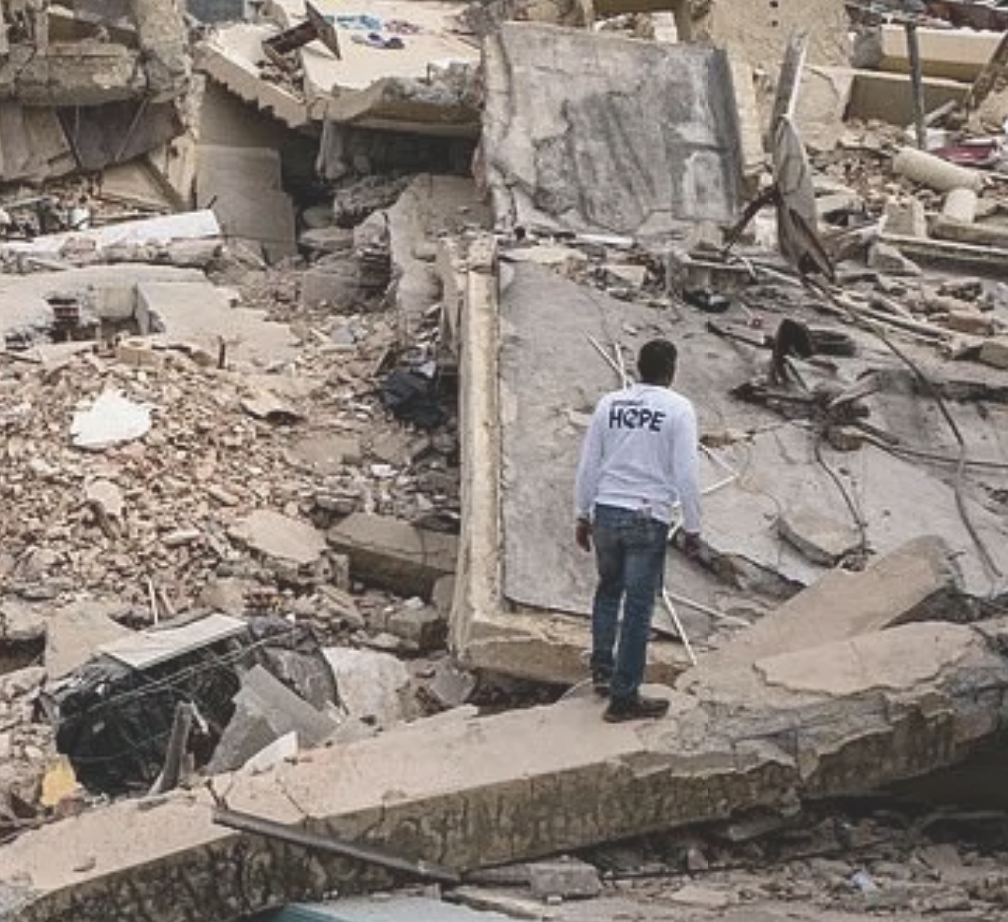
Hope of finding the 40,000 people still missing after Venezuela’s devastating 7.2 and 7.5 magnitude earthquakes is almost gone, warns Edward de Burgh, senior security officer at Project HOPE. More than a week after the disaster struck La Guaira, emergency teams are shifting focus from rescue to recovery amid grim survival odds.
Survival Chances Diminish
De Burgh explained that after the critical 72-hour survival window, it is now biologically unlikely any trapped survivors remain. “Miraculous cases can exist, but realistically, survival without water in such conditions is improbable,” he said.
Since the twin quakes, the death toll has reached nearly 2,300, but the figure is expected to rise significantly.
Rare Rescues Highlight Crisis
One rare success came when 43-year-old Hernan Gil was pulled alive from Playa Grande, Catia La Mar, in a multi-national rescue operation. Yet such rescues are now extremely rare as international teams begin to withdraw and local efforts conserve resources for the next phase.
Devastation In La Guaira
Entire neighbourhoods in the hardest-hit La Guaira region are razed to rubble, with buildings reduced to piles of concrete debris. Makeshift morgues at the docks are scenes of heartbreak as families identify the dead.
Relatives like Owuar Herrera and Carlos Velazquez have endured wrenching waits before recovering loved ones.
Human Cost And Recovery
Thousands are displaced, living in emergency camps or on the streets. De Burgh warns the broader human crisis is just beginning as survivors face loss of homes, possessions and community.
Aid agencies are now focusing on public health, with concerns over water contamination and overburdened hospitals.
Long Road Ahead
Project HOPE is shifting to medical aid and supporting clinics, but de Burgh stresses the path to recovery will take months. “Public health emergencies and rebuilding efforts are challenges that will unfold over a long period,” he said, highlighting the continuing struggle for the disaster-stricken region.