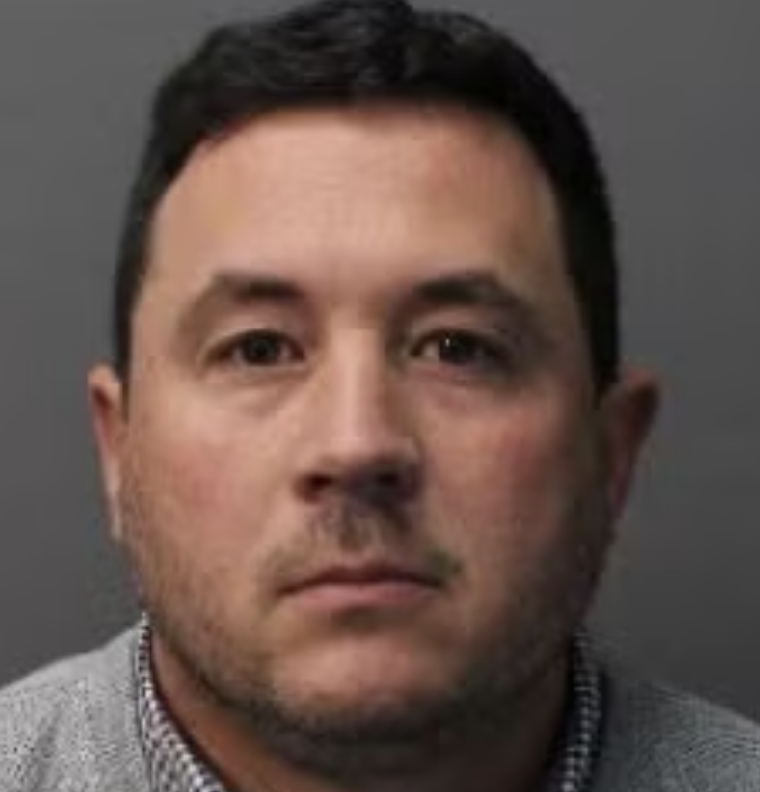
A 45-year-old fraudster from Gloucestershire was sentenced after trying to sell fake Bronze Age stone sculptures through Sotheby’s auction house in London. Andrew Crowley was given a two-year suspended prison sentence at Southwark Crown Court on 22 May after pleading guilty to fraud by false representation.
The Metropolitan Police’s Art and Antiques Unit led a global investigation that uncovered forged provenance documents.
Forgery Uncovered By Experts
Crowley approached Sotheby’s in October 2022, offering three stone Cycladic figures allegedly dating back 3,000 years. Specialists identified discrepancies in the sculptures and suspicious documentation.
The auction house promptly alerted the Met, triggering a detailed probe.
Forensic Proof Of Fake Invoices
Detectives found that invoices claiming to date from 1976 were printed with a typeface only created in 2001. Further analysis revealed documents were false and created using modern printing rather than a typewriter.
The logo on the invoices was artist-drawn, not stamped, confirming the deceit.
Cross-border Police Cooperation
Working with the FBI, UK investigators tracked down the US typeface designer to confirm the font’s recent origin. Crowley was arrested at Sotheby’s New Bond Street location in July 2023, and the statues—believed to be modern replicas—were seized before they could be sold for up to £500,000.
Protecting London’s Art Market
“This is an excellent example of cross-border cooperation that has effectively prevented harm to the London art market,” said Detective Constable Ray Swan, who led the investigation. He praised Sotheby’s staff for their swift action in uncovering the fraud.
A Sotheby’s spokesperson added: “Concerns were promptly shared with the Metropolitan Police, and we are grateful for the close cooperation that helped prevent fraudulent material from entering the market.”