Hay fever hits earlier now. Lasts longer, too.
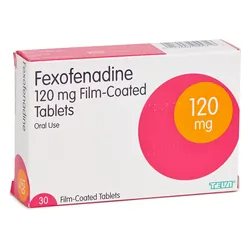
Across parts of the UK, pollen seasons that once felt predictable have shifted into something harder to plan around, and a lot of people are looking for daily symptom control that does not leave them drowsy by 9am. Fexofenadine is one of the antihistamines that comes up regularly in that context. Non-drowsy, often taken once daily, and available from pharmacies for many adults.
It ended up on a lot of bathroom shelves for exactly that reason.
Why Spring Allergies Feel Worse Than Ever
Winters got milder. Pollen arrived earlier.
Those two facts collided quietly and hay fever got harder to manage. Tree pollen shows up before spring feels like spring, depending on where you are and what the weather did that year. The tail end of the season stretched back too.
Longer stretches of exposure in some years. More days are symptomatic.
More medication is consumed. Exhaust fumes and ground-level ozone were already sitting in city airways before pollen entered the equation. Tissue irritated by pollution does not need much encouragement.
Pollen arrives, and the reaction fires harder than it would in clean air. Cumulative, not coincidental. Missed mornings.
Ruined weekends. A perfectly warm Saturday spent inside because thirty minutes outdoors means ninety minutes of sneezing afterward.
Peak season can become hard to manage without something that actually works.
How Fexofenadine Works to Block Allergy Symptoms
Pollen lands. Histamine is released.
H1 receptors fire: nose blocks, eyes itch, sneezing starts. Fexofenadine blocks those H1 receptors, which can reduce the histamine signal behind sneezing, itching and watery eyes.
Symptoms may stay milder when the dose and timing are right. The drowsiness problem with older antihistamines stemmed partly from their penetration into the blood-brain barrier. They crossed more easily.
Fexofenadine does not cross the same way. That single difference moved it into the non-drowsy category.
Daytime use. Alertness intact. Morning tablet.
Usually steady daytime cover. Same time daily keeps blood concentration steady.
Shift the timing and gaps appear in symptom control.
What Makes It Different From Older Antihistamines
Older sedating options are cheap, widely stocked, and sedating. School runs from 8am.
A commute at 7:30. Six hours of screen work.
That last point ruled them out. Fexofenadine hits the same H1 receptor. Brain penetration is the variable that changed.
Prescribers moved toward second-generation options because patients said they could function on them. Clinical practice caught up.
Fexofenadine Warnings Worth Knowing
Most people read the insert once and lose it behind the bathroom cabinet. Several of those warnings determine whether the tablet works at all.
Worth knowing before the season starts, not halfway through it. Adults managing daily hay fever symptoms can consider fexofenadine tablets after a short suitability check, especially when sneezing, itchy eyes or nasal symptoms start affecting work, sleep or daily travel. Fruit juice can reduce absorption. Orange juice at breakfast with the tablet and a meaningful portion of that dose never reaches the bloodstream.
Grapefruit. Apple.
Same problem. The tablet looks like it failed.
It did not fail. It never properly started.
Water is the safest default. Aluminium or magnesium hydroxide in antacids compete on the same absorption pathway. One window, two compounds arriving together.
Effective dose drops. Two hours between them, every time. Kidneys clear fexofenadine from the body.
When kidney function is reduced, clearance slows and concentration builds. A lower starting dose is a sensible adjustment.
That conversation with a prescriber belongs before the first tablet, not after something starts feeling wrong. Pregnancy or breastfeeding means a prescriber conversation first. Standard tablets work for adults and children from 12 upward. Below that age, a pharmacist determines what fits. Antibiotics and antifungals can alter how fexofenadine behaves post-absorption.
Not obvious from the packaging. Running a full medication list past a pharmacist before starting catches it early.
Few minutes. Avoids a lot of confusion later.
Common Mistakes That Reduce Effectiveness
Orange juice with the tablet. Absorption drops and nothing signals it.
Apple juice can cause the same issue, which is why water is the safer default. Antacid shortly after breakfast, fexofenadine shortly after that. Same absorption window, competing compounds.
Dose suffers. Two hours of separation between them fixes it. Inconsistent timing through the week creates blood concentration gaps.
Symptoms return in patches and the tablet gets blamed for a scheduling problem. One fixed daily time holds it steady. Food timing matters too.
A heavy breakfast will not ruin the tablet, but the drink beside it might. That is where people get caught.
Same routine, same symptoms, no obvious clue that absorption dropped before the day even started. Double dose after a missed one disrupts the 24-hour cycle and raises side effect risk without improving anything. Skip the missed dose.
Next tablet at the usual time.
Accessing Fexofenadine Through UK Self-Care Pathways
NHS self-care guidance puts oral antihistamines first for mild to moderate hay fever. No GP appointment required to start.
Some fexofenadine products come directly from pharmacies. Strength, age, and reason for use shape which product fits. Pharmacists handle dosing questions, check interactions, and confirm suitability.
Facial swelling, throat tightness, or breathing difficulty needs urgent medical help. Severe breathing symptoms can mean calling 999. Regular medication changes the picture.
Blood pressure tablets, antifungals, antacids, antibiotics, kidney history. Each one affects what is appropriate, so the full list should be shared before starting. For parents, commuters, carers, and people working outdoors, timing matters too.
A tablet taken too late may miss the school run, the commute, or the first job outside. Keep the dose steady.
Avoid juice near it. Check the forecast when pollen is high. Symptoms that stay difficult after steady pharmacy treatment need a second look.
A pharmacist can check timing, dose, interactions, and whether a GP conversation makes more sense. Pollen can climb around the middle of the day on high-count days, though weather still changes things. Keep windows shut then.
Shower after being outside. Use wraparound frames if your eyes flare up.
Small steps. Less pollen to fight. Spring gets easier when the routine is boring in the right way.
Tablet with water. Same rough time.
No juice sitting next to it. If symptoms still push through, ask a pharmacist what to check next.
That route is safer than guessing.