The special week of action took more than £4 million worth of suspected Class A drugs off the streets. The Met was at the forefront of the latest County Lines Intensification Week, which ran nationally from Monday, 3 to Sunday, 9 October. Officers also safeguarded 34 females and 215 males (adults and young people) and made 234 arrests during this period. The Met’s work last week resulted in: 234 arrests:
- 109 people charged with a total of 259 charges.
- 184 drug trafficking charges, 155 charges for Class A drugs and 29 for Class B drugs.
- 249 children and vulnerable adults were safeguarded.
- 70 County Lines closed in collaboration with partner forces.
- 70 deal line handsets were recovered.
The following was also seized throughout operations:
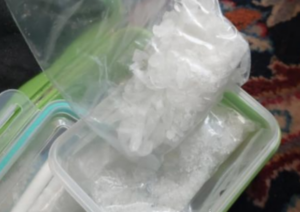
- 43.929kg of Class A drugs – 8.526kg of crack cocaine, 31.392kg of cocaine and 4.011kg of heroin – with an estimated street value of £4,300,000.
- 8kg Class B drugs.
- £334,559 in cash.
- One firearms, two imitation firearms and 56 weapons which included 34 knives, six machetes, a samurai sword, a meat clearer and six knuckle dusters.
- 12 vehicles.
As part of coordinated activity, officers also made 31 referrals to the National Referral Mechanism, which assesses individuals as potential victims of human trafficking and modern slavery. Since November 2019, when Op Orochi began, to the end of September 2022, teams across the Met have closed 1,260 lines, arrested 2,470 county lines line holders and associates, and had 3,833 charges authorised for a range of offences including drug supply, modern slavery and weapon possession. Building on the success of Met’s county lines response with Operation Orochi, a new pilot called Operation Yamata was launched in April 2022 to dismantle London Lines – this is now going to be expanded as part of Commissioner Sir Mark Rowley’s commitment to disrupting high harm offenders and making London safer for everyone. Specifically, the Met will expand Operation Yamata into three further areas in London to tackle drugs lines that criss-cross the capital. Deputy Assistant Commissioner Graham McNulty, said: “County lines bring misery to communities and devastate the lives of those who are most vulnerable in our society. There is an undeniable link between drugs and violence, so disrupting all routes of drug supply continues to be central to our work in making London safer for everyone. “The Met is working hard with forces across the country to tackle county lines and thanks to the hard work and dedication of our officers we have once again achieved some outstanding results during this week of coordinated action. “We are doing more than ever before to tackle county lines and safeguard those exploited by the criminals who hold the lines – this including maximising the use of modern slavery legislation to charge those at the top of the County Lines chain. “Our efforts to tackle county lines are ongoing day in, day out, not just during the coordinated weeks of action. We will continue press on with removing drugs off our streets, keeping our communities safe, and protecting those who are most vulnerable and easily susceptible to predatory gangs.” Further results: One of the week’s operations saw officers in the West AreaBasic Command Unit (Ealing, Hillingdon and Hounslow) arresting three suspects who were running a line to Hull. A firearm and ammunition were seized. Eleven individuals were arrested in the Central North Basic Command Unit (Islington and Camden)for running a line to Hertfordshire. They have since been charged with conspiracy to supply Class A drugs, cocaine, heroin and cannabis – which have a combined street value of £81,850. They also seized a total of £31,000 in cash. Specialist Traffic Units intercepted two vehicles in the North West Basic Command Unit (Harrow, Barnet and Brent)which resulted in more than 30 kilos of cocaine being recovered, with a street value of over £3 million. Two individuals were charged with drug trafficking offences. Engagement and Diversion: Enforcement activity formed only one part of the Met’s activity to tackle county lines. A host of community engagement and diversion activities took place across London to educate communities on issues surrounding county lines in a bid to prevent young people from getting involved in county line activity. Throughout the week officers from across London engaged with around 6,000 children and adults, explaining the warning signs of criminal exploitation. The Future Life Youth Project, which educates Year 5 students around the risks of county lines, was delivered to pupils. Home visits to vulnerable people were also made and drop-in surgeries took place at community centres. Businesses such as hotels and licensed premises were trained to help them spot the signs of child exploitation – they were empowered to call police quoting ‘Operation Makesafe’ which is the name of the initiative, with concerns or suspicions. The Children’s Society also joined forces with the Metropolitan Police Service to run its #LookCloser campaign alongside the coordinated week of action. Officers delivered assemblies about the campaign and spoke about the risks of a child being manipulated both online and offline. James Simmonds-Read, national manager of The Children’s Society’s Prevention programme, said: “We welcome the arrest of criminals by the Met who cynically groom and coerce young people to move drugs in county lines operations, but it’s equally important that these children are being offered the help they desperately need during this week. “Too often across the country, children are not identified as having been exploited and offered support, and our Look Closer campaign works closely with police and other professionals to help change that. “Look Closer also highlights how the public can help police and other professionals by looking out for signs of children being groomed and exploited in the community and online and reporting concerns.” + If you are concerned about drug-related crime in your area or think someone may be a victim of drug exploitation, please call us on 101. Always call 999 in an emergency. If you would like to provide information anonymously, call the independent charity Crimestoppers on 0800 555 111 or visit crimestoppers-uk.org. Young people can give information 100% anonymously by contacting the charity Fearless at www.fearless.org