Skin Science Revolution: Wake Forest Researchers Print Perfect Patches
Researchers at the Wake Forest Institute for Regenerative Medicine (WFIRM) have smashed new ground in skin regeneration. Their latest study, published in Science Translational Medicine, reveals a game-changing method that could speed up healing for burn victims, wounded soldiers, and anyone suffering from serious skin damage.
Six Cell Types, One Perfect Patch
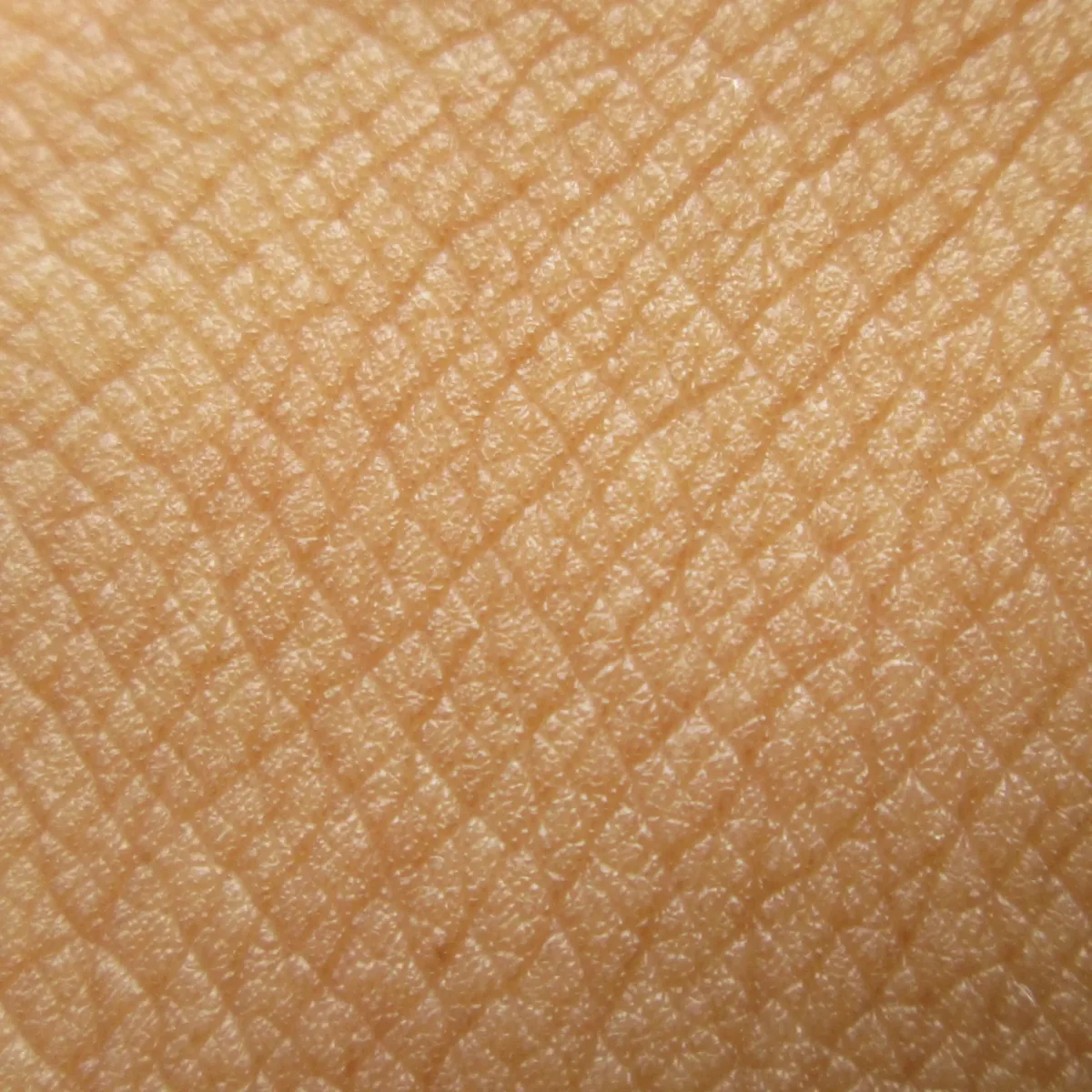
Led by Dr Anthony Atala and Dr Adam Jorgensen, the team didn’t just print skin — they printed all six major human skin cell types using special hydrogels as “bioink.” The result? Full-thickness, multi-layered skin mimicking real tissue with epidermis, dermis, and hypodermis layers. In tests, the bioprinted skin formed blood vessels and normal tissue patterns, showing signs of fully functioning new skin.
Faster Healing, Less Scarring
- Improved wound closure speed
- Reduced skin contraction
- Boosted collagen production to cut scarring
Dr Atala said, “Comprehensive skin healing is a massive clinical challenge worldwide. These results prove creating full-thickness human bioengineered skin is possible and leads to quicker, more natural healing.”
A Skin Graft Breakthrough
Using existing bioprinting tech, WFIRM’s team crafted skin grafts with a triple-layer structure for thorough wound coverage. This breakthrough promises to change regenerative medicine forever, offering hope for millions in need of better skin repair.