20 Years Since 7/7: Britain Remembers But Public Voices Outrage Over Security Failures
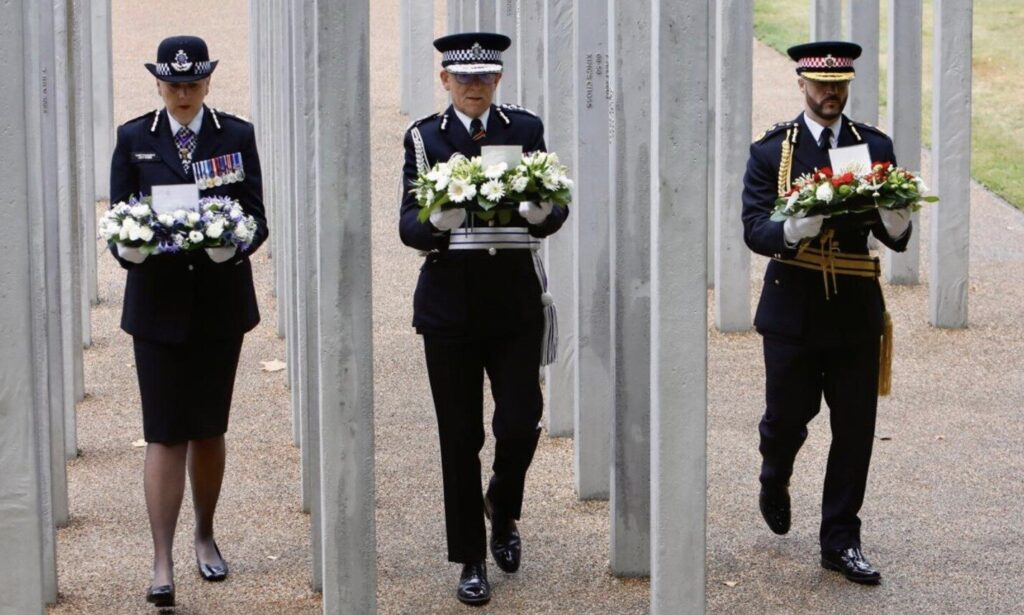
As the UK marks two decades since the deadly 7/7 London bombings, tributes have flooded in from all political angles, calling for unity and remembrance. But while politicians preach healing and resilience, many Britons are venting anger over what they see as persistent threats to national security and Britain’s cultural fabric.
Public Outcry on Social Media: “We’ve Been Let Down”
Some members of the public have taken to social media to slam the government’s record on counter-terrorism. One user blasted:
“We rallied ourselves and endured 14 more attacks up until now, including the murder of an MP and one. We bent over backwards for ‘diversity & inclusion’ and ‘social cohesion’ yet here we are, 20 years later, with more radical preachers, over 40,000 on watchlists, and child rape gangs still operating nationwide.”
Criticism also targeted border controls and sentencing policies. Another commentator said:
“The borders on the south coast remain porous, and those who would divide us are applauding the demise of our own cultural heritage.”
Trust in Institutions Shaken by Terror Aftermath
The years following 7/7 have seen brutal attacks including the Manchester Arena bombing, and the murders of MP David Amess and Fusilier Lee Rigby. These incidents have fuelled doubt about how well counter-extremism efforts are working and the transparency of community interventions designed to keep the public safe.
A Call for Action: Remembering Means Doing More Than Words
The debate on security and unity is heating up, with voices from across the political divide demanding real accountability. As one sharp commentator noted:
“Honouring the victims means ensuring we never allow this to happen again — and that includes listening to real fears, not just official statements.”
As Britain reflects on 20 years since 7/7, the message is clear: healing is important, but vigilance and bold action are essential to secure the country’s future.