Hull Dock Crash Spills 7,000 Litres of Diesel
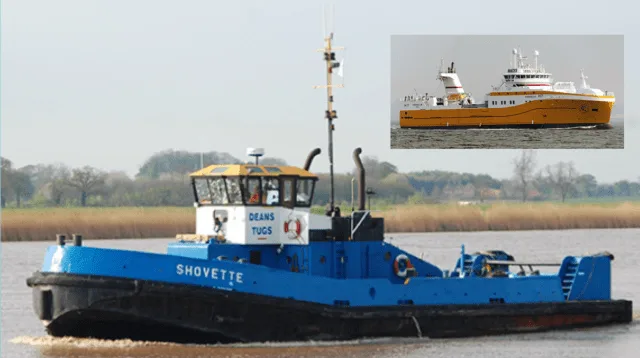
An official investigation has uncovered fresh details about the shocking collision between the UK-registered fishing boat Kirkella and the unmanned tug Shovette at King George Dock, Hull, last June. The crash caused a major diesel spill and sparked serious safety concerns in the maritime industry.
How the Collision Unfolded
On June 24, 2022, Kirkella lost control of its propulsion system while docked. The boat rammed into Shovette, which was moored directly ahead. Kirkella’s bulbous bow crushed into the tug’s hull and starboard fuel tank, spilling around 7,000 litres of marine diesel oil into the dock. Luckily, no one was hurt, and the fishing vessel only suffered minor damage.
Critical Safety Failings Exposed
The probe revealed major failings in how Kirkella managed propulsion control:
- Mismatched Pitch Levers: The levers controlling the propeller’s pitch were out of sync between the bridge and engine control room during the control handover.
- No Verification: The engineer failed to check the pitch lever alignment when control was transferred.
- Missing Procedure: There was no official process in place for switching control between stations.
- Outdated Rules: Classification society standards for remote engine control lagged behind international requirements.
Recommendations to Avoid Repeat Disaster
The report calls on industry leaders to act fast:
- Det Norske Veritas (DNV): Review and clarify Unified Requirement M43.12. Alert users of the Rolls-Royce Helicon-X3 system about risks of mismatched lever positions during control swaps and advise consultation with manufacturers.
- Kongsberg Maritime: Send service letters warning customers that the Helicon-X3’s remote control changeover can cause unexpected thrust changes. Offer operational guidance and fixes.
Raising Industry Awareness
To prevent further mishaps, a new safety flyer highlighting the dangers of mismatched pitch levers during propulsion control handover has been circulated throughout the shipping sector. The message is clear: proper checks and protocols must become the norm to keep docks safe and prevent pollution disasters.