Travellers Break Into Historic Napoleonic Fort Pitt Site in Chatham
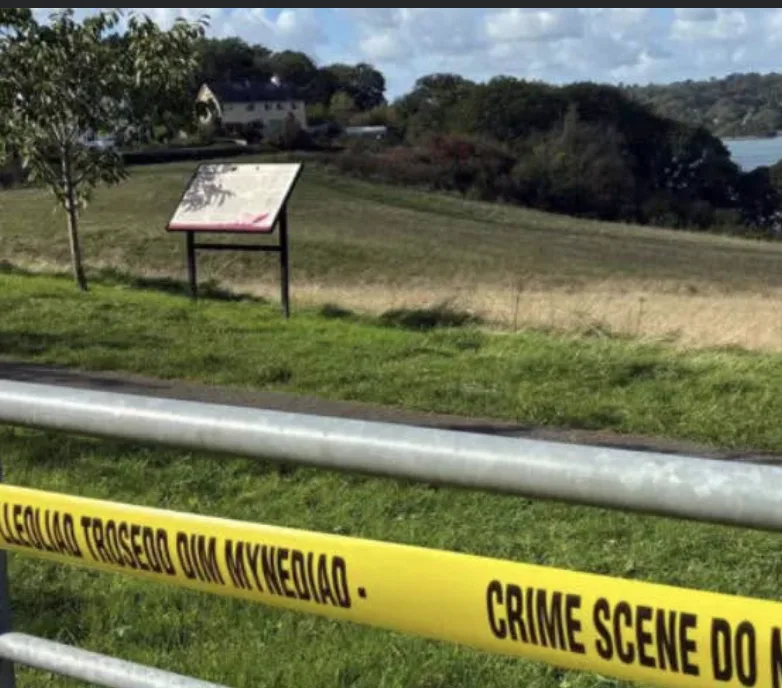
A security barrier protecting the historic Fort Pitt grounds in Chatham was forced open over the Bank Holiday weekend. This breach allowed a group of travellers to access the protected Napoleonic site, sparking local outrage.
Lock Broken, Locals Alarmed
The lock securing the barrier was smashed, giving travellers unrestricted entry to the landmark. Residents fear damage to the heritage site, which holds great significance to Chatham’s history.
Disturbingly, some travellers have already caused trouble. Reports include children stealing from a nearby shop and a pair using the car park of the local charity shop, GSA Clothing Emporium, as a toilet.
“We are aware of the group and are following a civil legal process to move them on,” a Medway Council spokesperson confirmed.
Chatham Council has been contacted to clarify what steps will be taken to secure the site and remove the trespassers.
Historic Landmark Under Threat
Fort Pitt stands on a hill with a history stretching back centuries. Archaeological finds from 1932 suggest the land was farmed as far back as Roman times.
In the 18th century, the War Department bought the land to defend Chatham Dockyard from French invasion during the Napoleonic Wars. The purchase was backed by an Act of Parliament in 1762, and the site was used as a troop encampment.
By the early 1900s, it had switched from military use to a public leisure area. In 1914, the City of Rochester Corporation accepted a gift deed from mayor John Howard Jackson, creating Jacksons Recreation Ground with cricket pitches and tennis courts. Fort Pitt Gardens followed, becoming a beloved green space for generations of local families.
Local Fears and Demands
Residents are alarmed that the unauthorised intrusion could cause lasting damage to this treasured historic spot. Calls are growing for urgent security improvements around Fort Pitt to prevent further breaches.
Police and council officials are expected to meet soon to discuss the incident and the best course of action to protect the site going forward.