€560,000 Cash Haul Seized at Channel Tunnel in Organised Crime Sting
A whopping €559,705 in cash believed to be crime profits was nabbed from a Dutch man stopped at the Channel Tunnel. Border Force officers pulled over 45-year-old Harm Stachouwer on 25 February 2019 as he was about to board the Eurotunnel train.
Suitcase Full of Stash
Stachouwer spun a tale of a business trip to Dublin and a planned visit to his parents in The Netherlands before heading home to Andorra. Claiming to work in the medical field and chair an organisation selling cancer radiation equipment, he first admitted to carrying only “maybe five thousand euros.”
But when questioned further, he pointed officers to a suitcase in the boot, confessing it held €400-500,000 of his so-called savings – cash he promised could be traced.
Heat-Sealed Bags Marked ‘Swedish Twisted Fire Lighters’
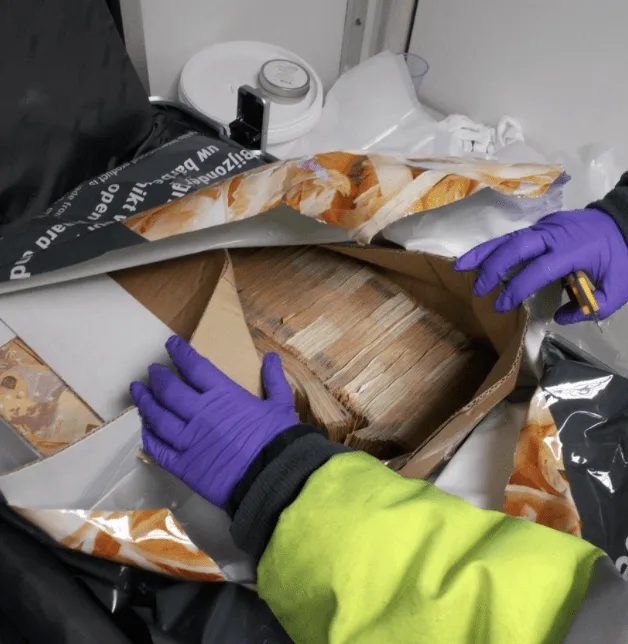
Inside the suitcase, officers found two large heat-sealed bags marked suspiciously as ‘Swedish Twisted Fire Lighters’ – a likely ploy to beat cash-detecting dogs. One bag contained three boxes stuffed with unbundled €20 notes; the other held two boxes packed with €50s.
The National Crime Agency (NCA) suspects the heat-sealed bags were meant to dodge detection. Despite being given a chance to prove the cash’s legal origins, Stachouwer failed to provide credible evidence.
Cash Forfeited After Court Ruling
Maidstone Magistrates’ Court confirmed the cash forfeiture on 14 October, with Stachouwer offering no contest. NCA Branch Commander Mark Howes slammed the stash, saying:
“Stachouwer could not provide a credible explanation as to how he had obtained such a large amount of cash. It was packed into heat-sealed bags, we believe in a bid to avoid detection by cash dogs.
“The use of civil powers allows us to target suspected criminal cash and crucially deprives organised crime groups of their profits. This money can no longer be used to reinvest in more offending.
“Money is at the heart of organised crime, which is why the NCA prioritises disrupting money laundering operations both in the UK and overseas.”