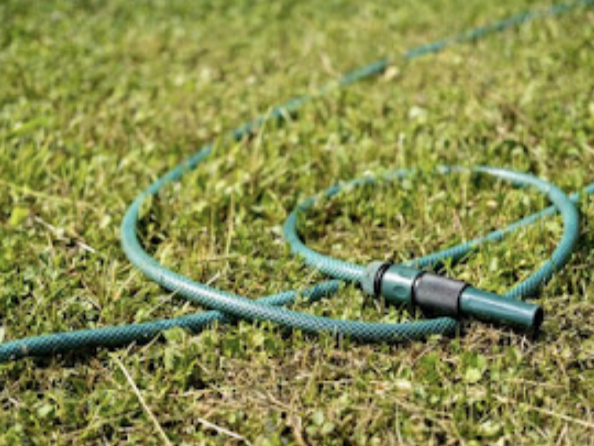
More than 10 million Thames Water customers are now subject to a hosepipe ban after restrictions came into force across much of the south of England amid ongoing dry weather and soaring water demand. The restrictions began at 12.01am on Thursday 23 July, prohibiting households and businesses supplied with drinking water by Thames Water from using hosepipes for a range of everyday activities.
What is banned?
Under the Temporary Use Ban, customers are no longer allowed to use a hosepipe for activities including:
- Watering gardens, lawns and plants.
- Washing cars, vans and other vehicles.
- Filling paddling pools.
- Topping up hot tubs.
The restrictions have been introduced following prolonged dry weather, recent heatwaves, very low rainfall and higher than normal demand for water during the dry conditions.
Who is exempt?
Thames Water has confirmed a number of exemptions apply. Customers with severe mobility issues are exempt, regardless of whether they hold a Blue Badge.
They can continue using hosepipes to water gardens, wash vehicles and carry out other essential tasks. Additional exemptions cover certain animal welfare activities, including:
- Filling pools used to decontaminate animals or treat disease.
- Maintaining ponds containing aquatic animals.
- Operating ornamental fountains where they provide oxygen for fish.
Customers registered on Thames Water’s Priority Services Register may also qualify for exemptions if they have specific medical conditions, including those who require dialysis, use oxygen or have limited hand movement.
What is still allowed?
The hosepipe ban does not prevent people from:
- Using watering cans or buckets to water gardens.
- Washing vehicles with a bucket and sponge.
- Using stored rainwater collected in water butts.
The restrictions also do not apply to customers who receive only wastewater services from Thames Water.
Restrictions under review
Thames Water said it will continue to monitor reservoir levels, rainfall and customer demand before deciding when the restrictions can be lifted. The company says the measures are intended to help protect water supplies while the exceptionally dry conditions continue across southern England.