Military drafted to plug ambulance strike chaos as NHS braces for festive meltdown
Ambulance strikes spark emergency scramble
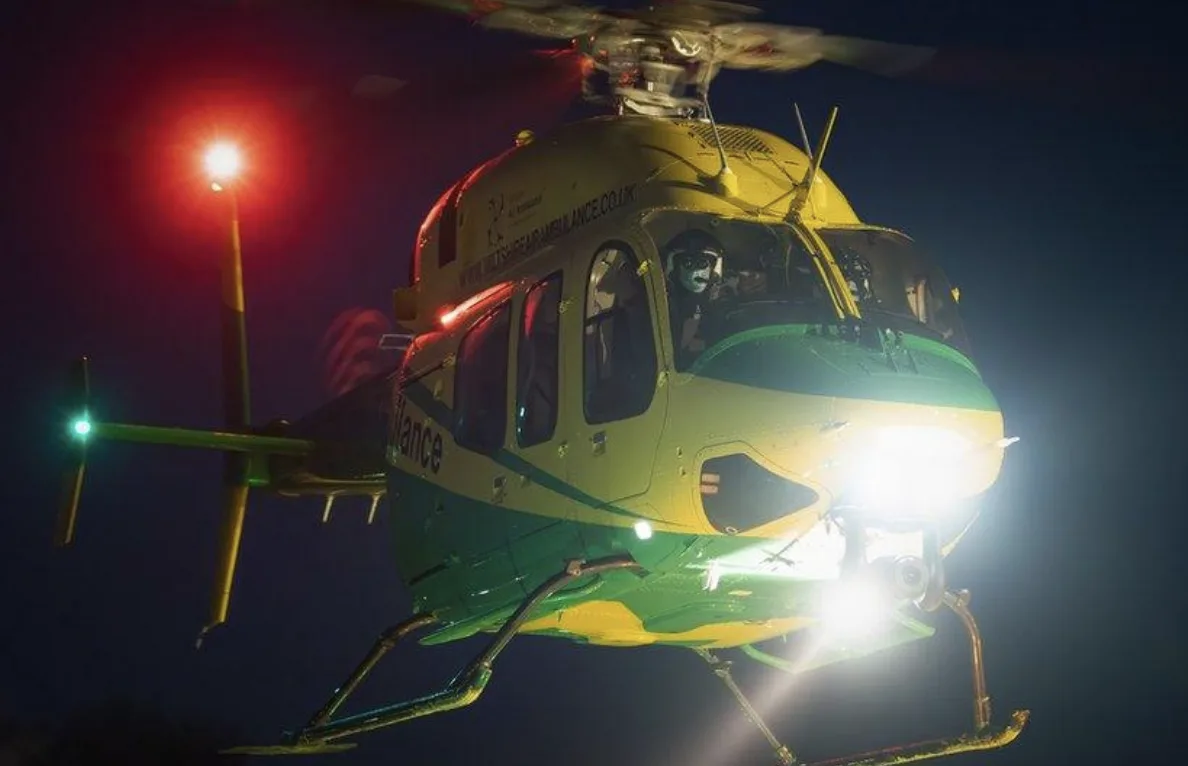
With 10,000 ambulance workers in England and Wales set to strike on December 21 and 28, the government has called in military personnel to fill the gap and keep life-saving services running. About 600 troops will drive ambulances, while another 150 will provide logistical backup. Civil servants will also lend a hand at passport checks amid a mounting wave of industrial action.
Health Secretary Steve Barclay insists patient safety is his “top priority” despite union warnings that soldiers aren’t “sufficiently trained” to handle ambulance duties. The Army, Navy, and RAF will reportedly step in, but union chiefs slam the move as a “hollowing out” of the NHS, arguing the hours spent on contingency planning should be used to prevent strikes altogether.
Border Force strikes threaten Christmas travel chaos
The blow isn’t just hitting the NHS. Border Force staff plan an eight-day strike between December 23 and 31 across major airports including Heathrow, Gatwick, Birmingham, Cardiff, Glasgow, and Manchester, as well as the Port of Newhaven. Around 1,000 passport control workers will down tools, spelling major disruption for holidaymakers.
With some airlines halting ticket sales for inbound flights on strike days, travellers face chaos during the festive rush. The government warns passengers to expect queues and prepare for “significant inconvenience.” The main Border Force union is furious about the government’s 2% pay offer, calling Home Secretary Suella Braverman’s cover plans “scrambling” and ineffective.
Strike fallout spreads across NHS and other sectors
- Hospitals ordered to free up beds ahead of ambulance strikes to ease pressure on A&E units.
- Nurses across England, Wales, and Northern Ireland are striking again on December 20, with threats of fresh walkouts in the New Year unless pay talks resume.
- Rail workers, Royal Mail staff, and others have recently taken similar industrial action over pay disputes amid soaring living costs.
Government vows new “resilience framework” to tackle strike fallout
The Cabinet Office says a new plan will be unveiled on Monday, aimed at better preparing the UK for industrial unrest and other critical challenges. The “resilience framework” will involve government, key infrastructure operators, charities, and the public working together to limit disruption.
Yet unions remain sceptical. Unison’s Sara Gorton warned the military cannot replace trained ambulance staff, while the Chief of Defence Staff Admiral Sir Tony Radakin said troops are “busy” and “have no extra capacity,” stressing the military’s primary role must not be compromised.
Health Secretary Steve Barclay: “My number one priority is to keep patients as safe as possible, and we are stepping up preparations across government and the NHS to mitigate disruption.”
Unite union: “Ministers have hollowed out the health service. Our members are trying to save the NHS, yet the government digs in its heels on pay.”
The dispute escalates as inflation tops 10%, with unions condemning government-approved pay rises of about 4.75% as a real-terms pay cut the NHS simply can’t bear.